3-Star Hotel Standard on a Mountain Trek — What Does That Mean?
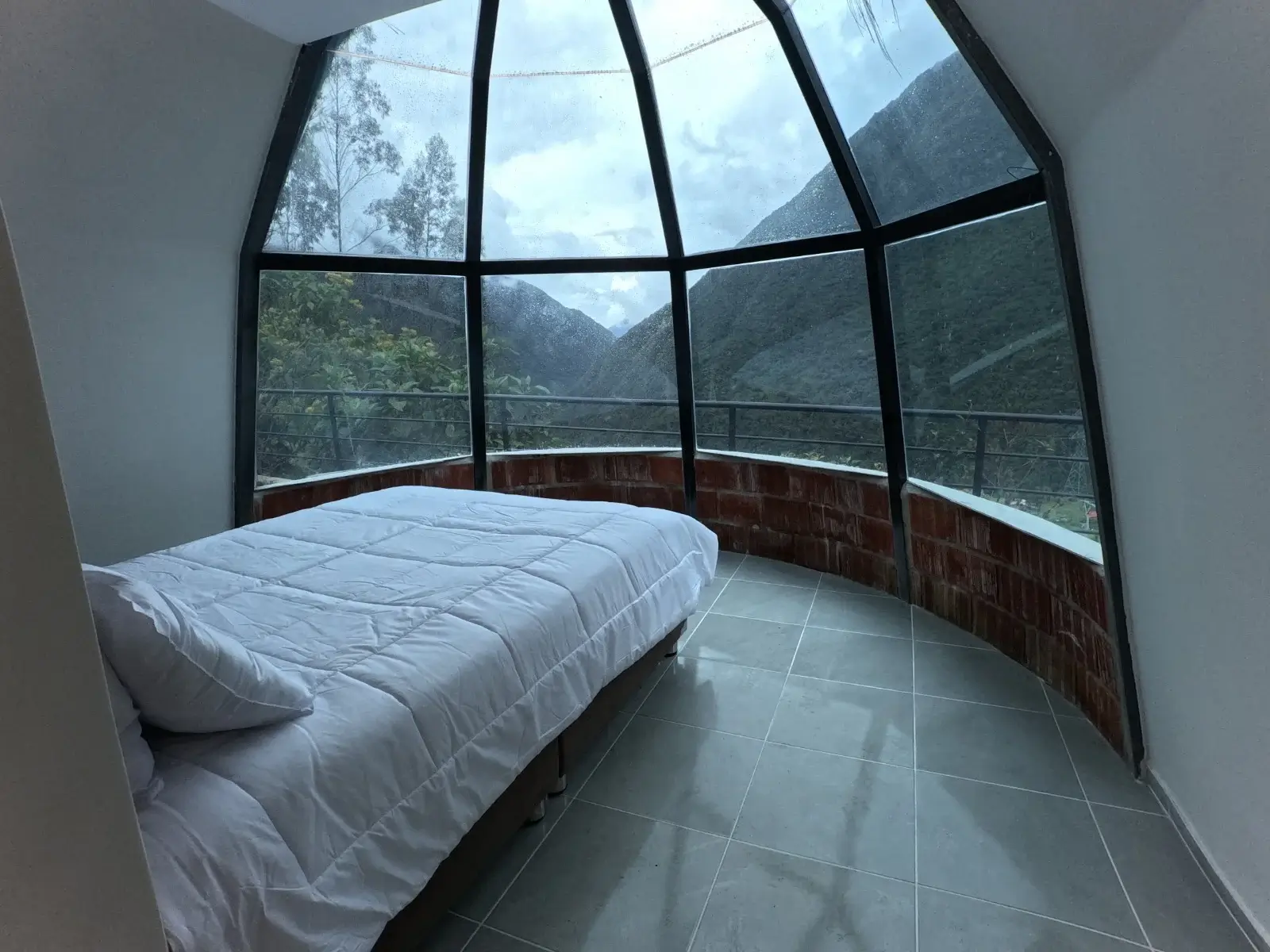
In the trekking industry, words like luxury, premium, and comfort are often used without clear definition. But when we speak about a 3-star hotel standard on a mountain trek, we are referring to something measurable — not decorative language.
At over 4,000 meters (13,000 ft) in the Peruvian Andes, infrastructure matters. Comfort must be engineered, not implied. So, what does a true 3-star standard look like when you are crossing the Salkantay Trek toward Machu Picchu?
Let’s define it clearly.
What Defines a 3-Star Hotel in Hospitality?
In global hospitality terms, a 3-star hotel represents structured comfort. It is not ultra-luxury, but it is far beyond basic lodging. It typically includes:
- Private accommodation
- En-suite bathroom
- Proper bedding with linens
- Dedicated dining space
- Trained service staff
- Consistent cleanliness standards
The experience is predictable. Private. Functional. Reliable.
The real question is: how do those standards translate to a high-altitude trekking environment like the Salkantay Trek?
Translating 3-Star Standards to a Mountain Trek
Delivering hotel-level comfort in the Andes requires logistical planning, permanent infrastructure, and operational consistency. Below is a direct comparison of how traditional hospitality benchmarks adapt to the mountain environment.
How 3-Star Hotel Standards Translate to the Salkantay Trek
| Hospitality Standard | 3-Star Urban Hotel | 3-Star Standard on a Mountain Trek |
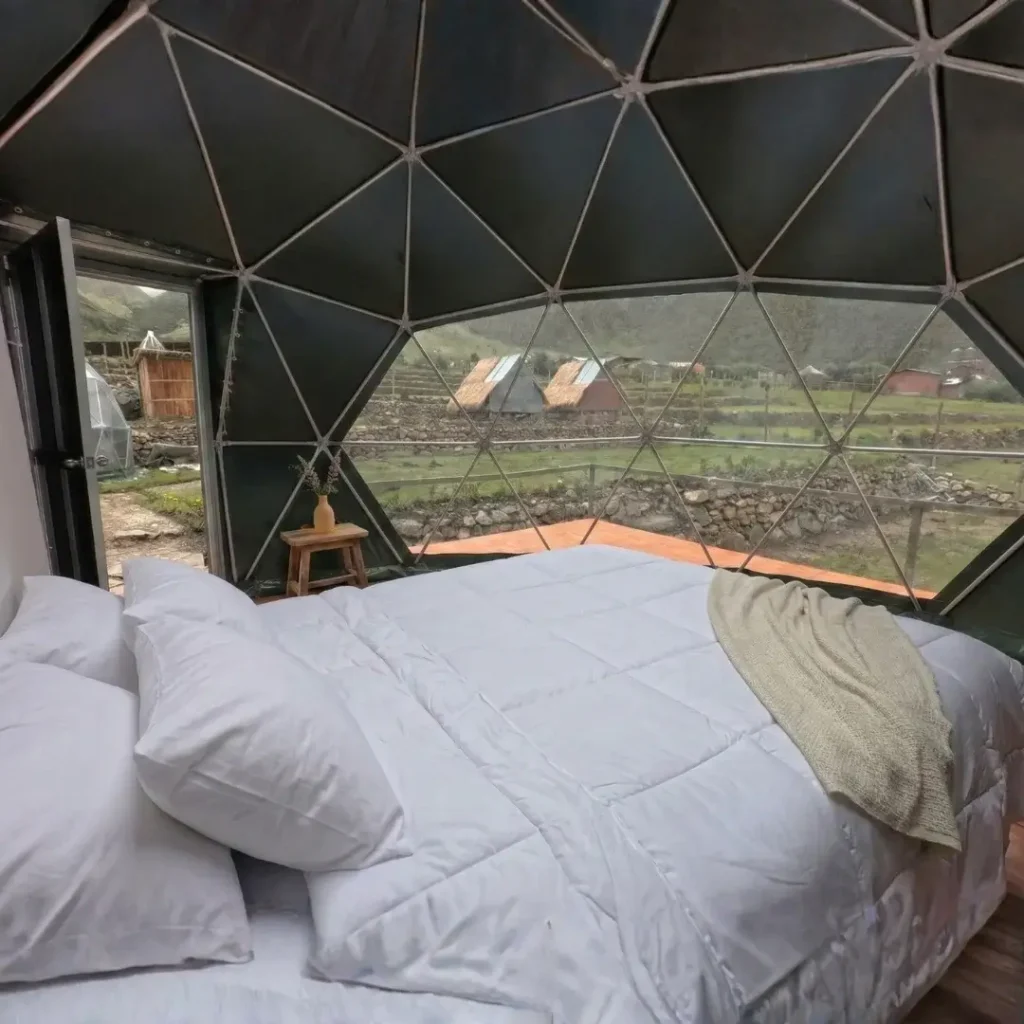
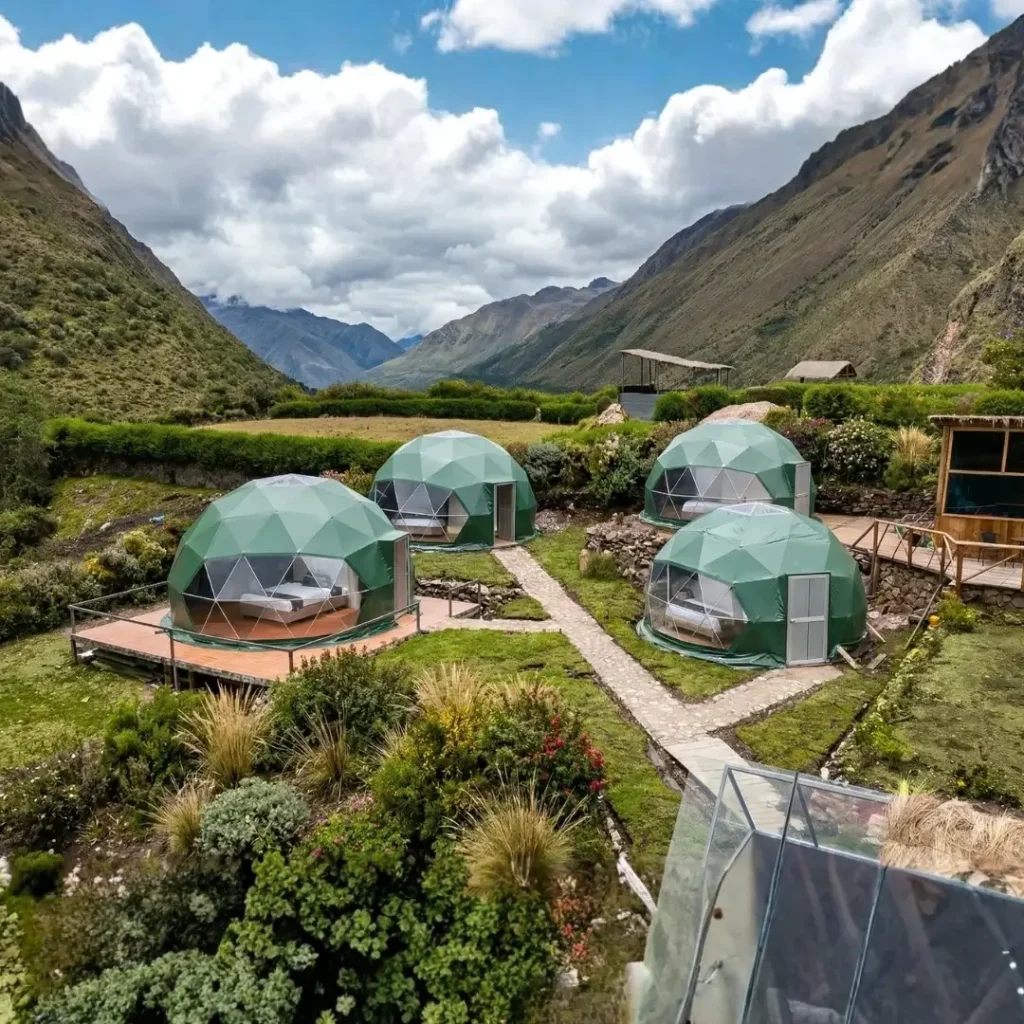
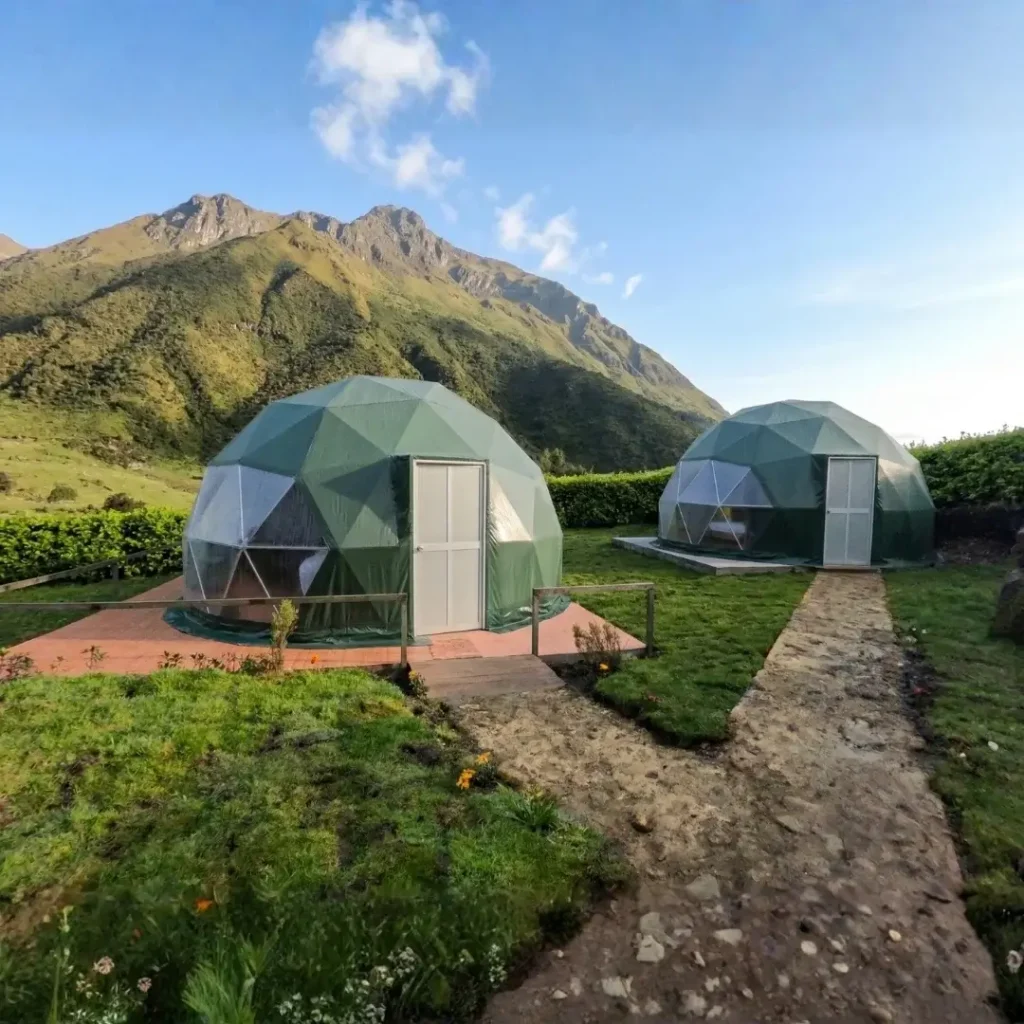
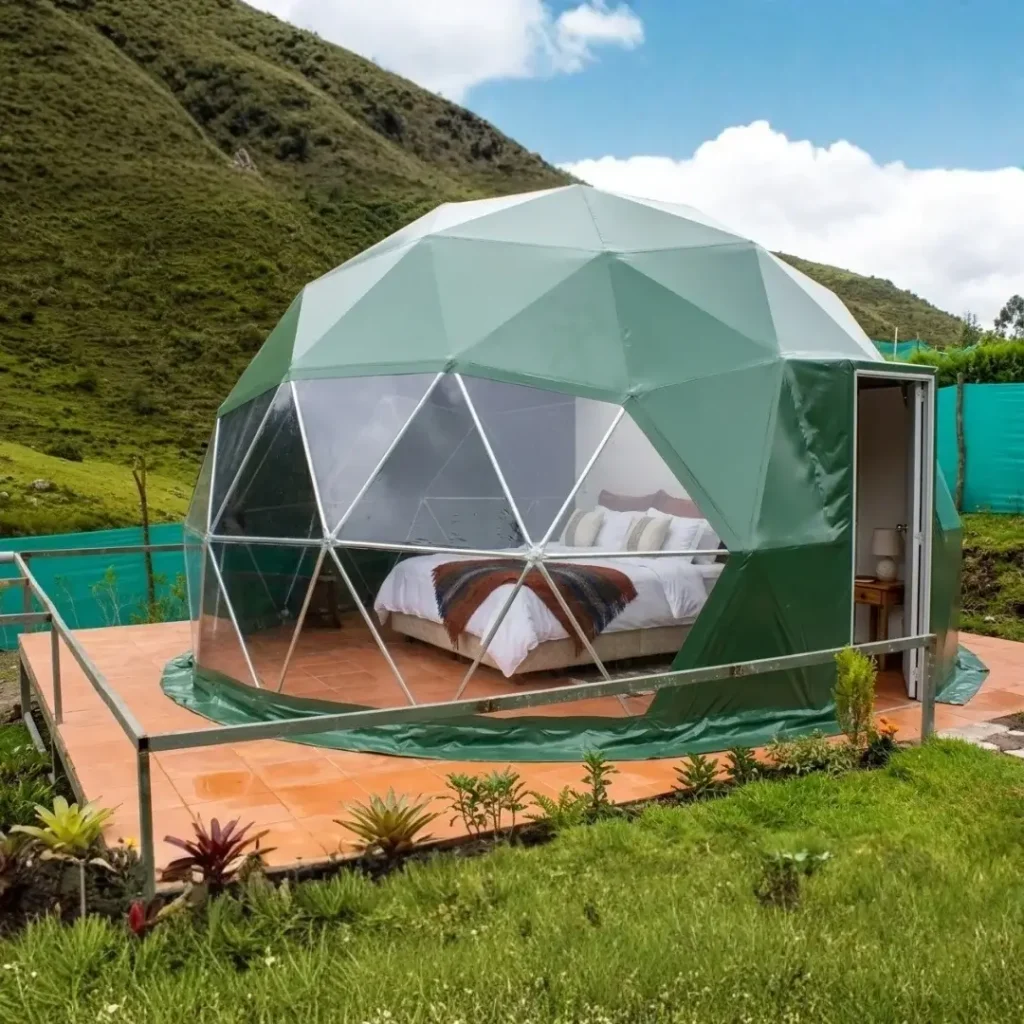
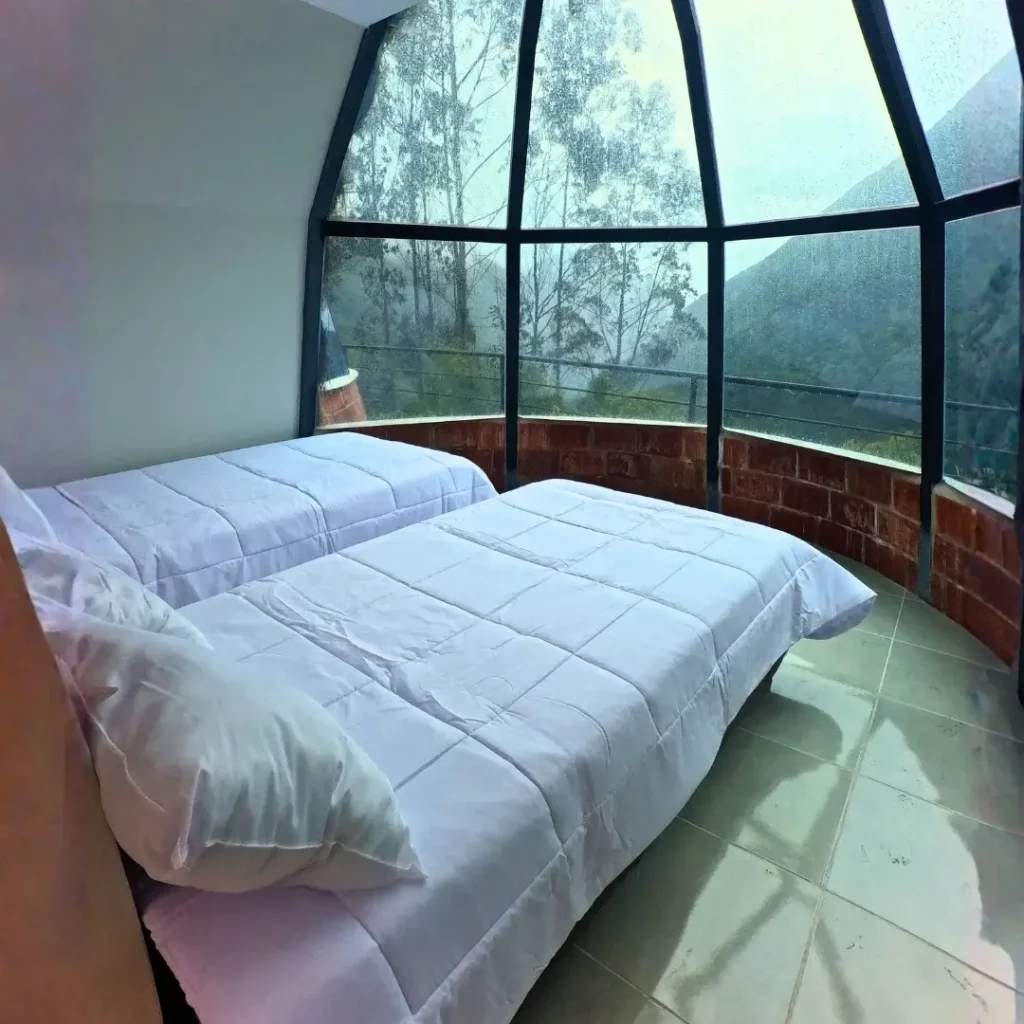
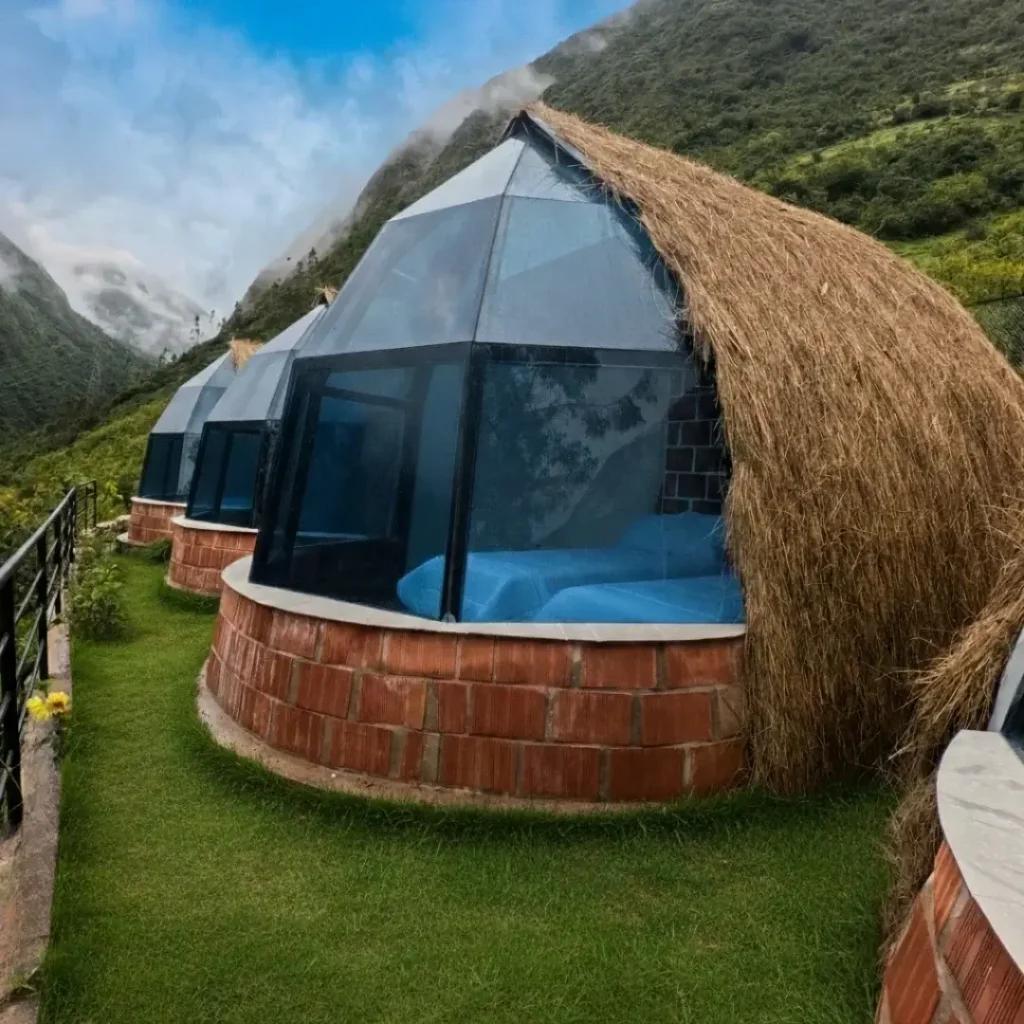
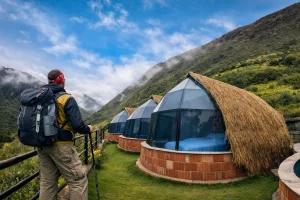
| Accommodation | Private room | Insulated glass dome or structured private mountain room |
| Bedding | Full bed with linens | Queen-sized bed with proper mattress and thermal bedding at altitude |
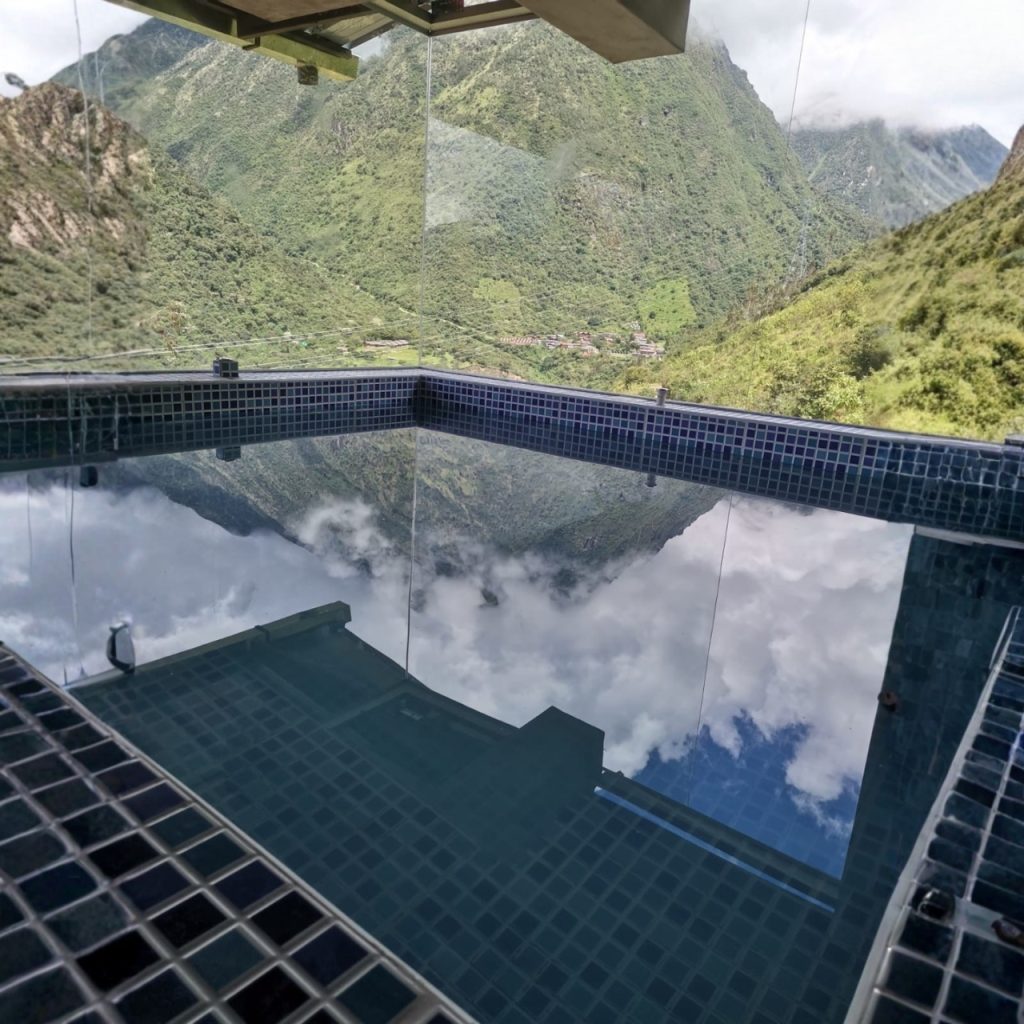
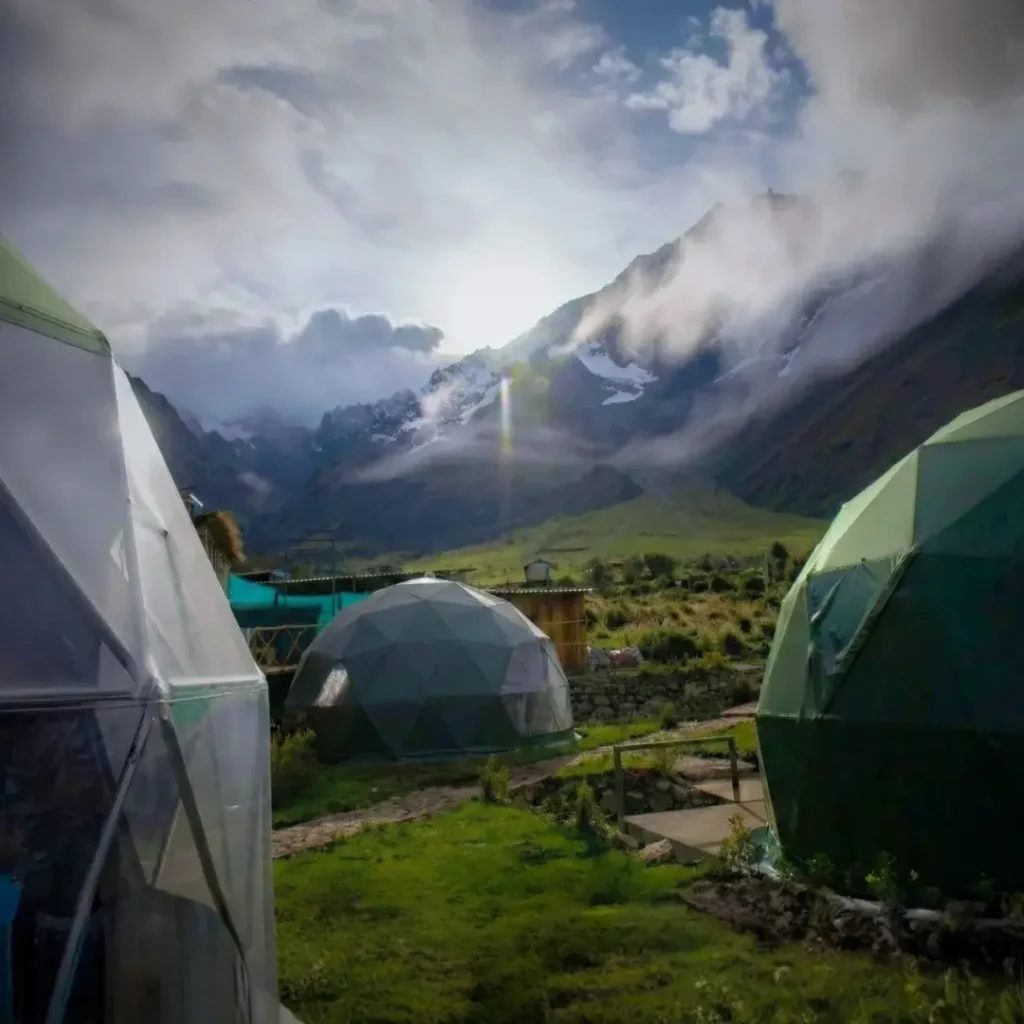
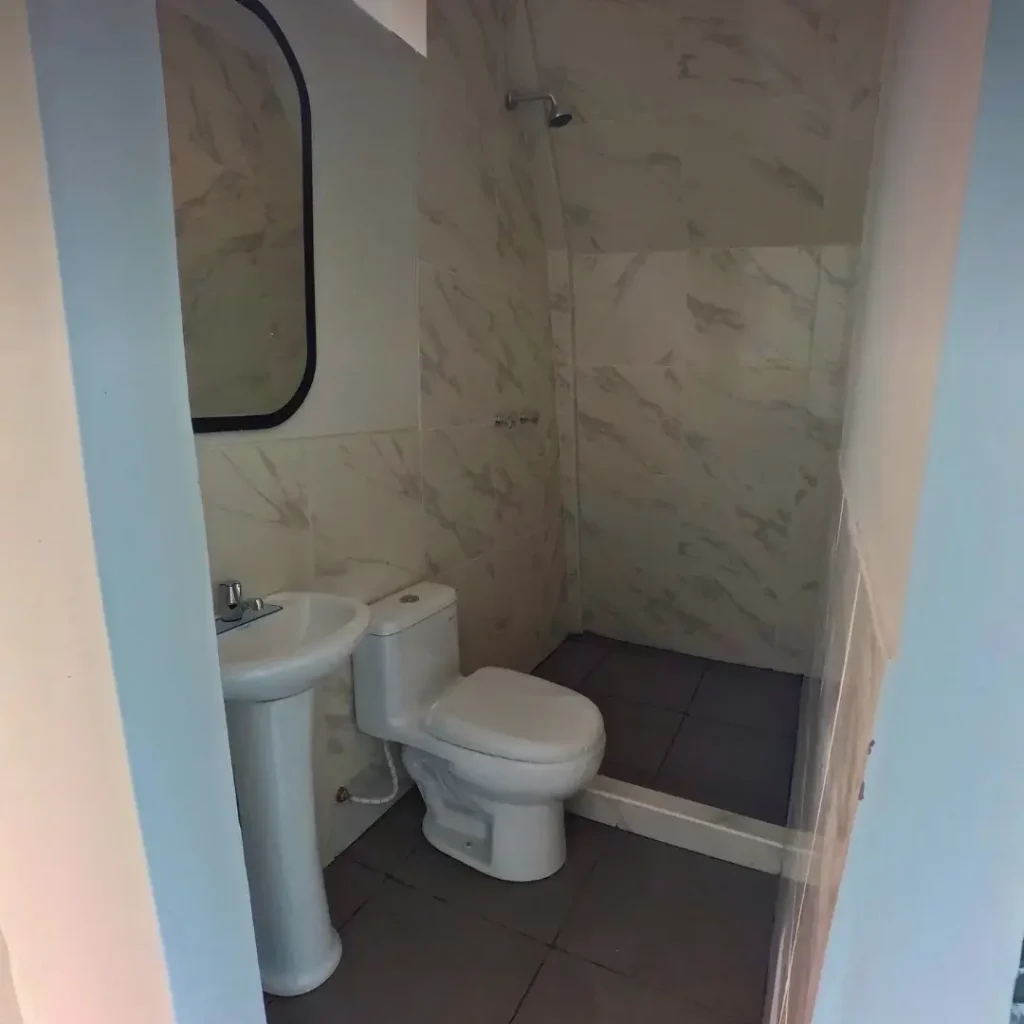
| Bathroom | En-suite with hot water | Private en-suite bathroom with hot shower at 4,200m+ |
| Dining | Dedicated restaurant | Structured dining dome with seated service and chef-prepared meals |
| Utilities | Lighting & electricity | Managed power systems, lighting, charging outlets |
| Connectivity | Wi-Fi | High-altitude Wi-Fi where terrain allows |
| Service Staff | Trained hospitality team | Professional trekking staff & hospitality crew |
| Safety Protocols | Emergency procedures | Oxygen, first-aid systems, altitude-aware logistics planning |
This is not a tent upgraded with decorative elements. It is structured hospitality adapted to extreme geography.
At camps positioned along the Salkantay corridor including glacier-base locations like Soraypampa and cloud forest hubs near Colpapampa. Infrastructure must withstand temperature shifts, altitude pressure, and remote access challenges. Delivering consistent standards in these environments requires permanent installation and experienced operational teams.
What It Is Not
Clarity builds trust. A 3-star hotel standard in the Andes is not:
- A 5-star urban luxury resort
- A spa complex with climate-controlled corridors
- Unlimited amenities detached from the environment
- City-level infrastructure transplanted into the mountains
The objective is not excess. It is functional comfort executed professionally.
Why 3-Star Is the Ideal Balance for Salkantay
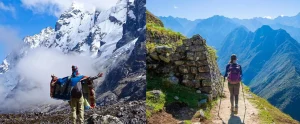
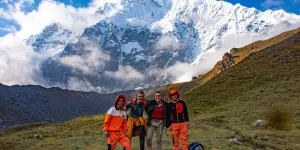
The Salkantay Trek crosses high mountain passes, glacier valleys, and humid cloud forest terrain before connecting to Machu Picchu. The landscape is demanding, and recovery between trekking days directly impacts the experience.
A basic camping setup can compromise rest.
An overly intrusive luxury structure would disrupt the natural setting.
The 3-star standard sits at the equilibrium point:
- Comfort without environmental overreach
- Privacy without isolation from nature
- Infrastructure without visual disruption
It preserves immersion while ensuring proper recovery.
Who Benefits Most From This Level of Comfort?
This level of infrastructure particularly suits:
- Couples seeking privacy on a multi-day trek
- Professionals with limited vacation time who value efficient recovery
- Travelers over 35 prioritizing sleep quality
- Comfort-oriented adventurers who dislike traditional camping
- Guests who consider hygiene and bathroom privacy essential
For these profiles, structured lodging is not an indulgence, it is a practical decision.
Redefining Mountain Hospitality
A 3-star hotel standard in the Andes is not about adding luxury for appearance. It is about delivering predictability in unpredictable terrain.
When you are trekking at 4,000 meters, the difference between sleeping on a pad and resting in a proper bed is not cosmetic. It affects recovery, energy levels, and overall enjoyment of the journey.
In this context, 3-star means:
- Reliable infrastructure
- Private en-suite facilities
- Professional service standards
- Thoughtful design adapted to altitude
Mountain travel has evolved. Today, structured hospitality can exist without diminishing adventure. And on routes like Salkantay, that balance defines the modern trekking experience.