4-Day vs 5-Day Salkantay: Which One Should You Choose?
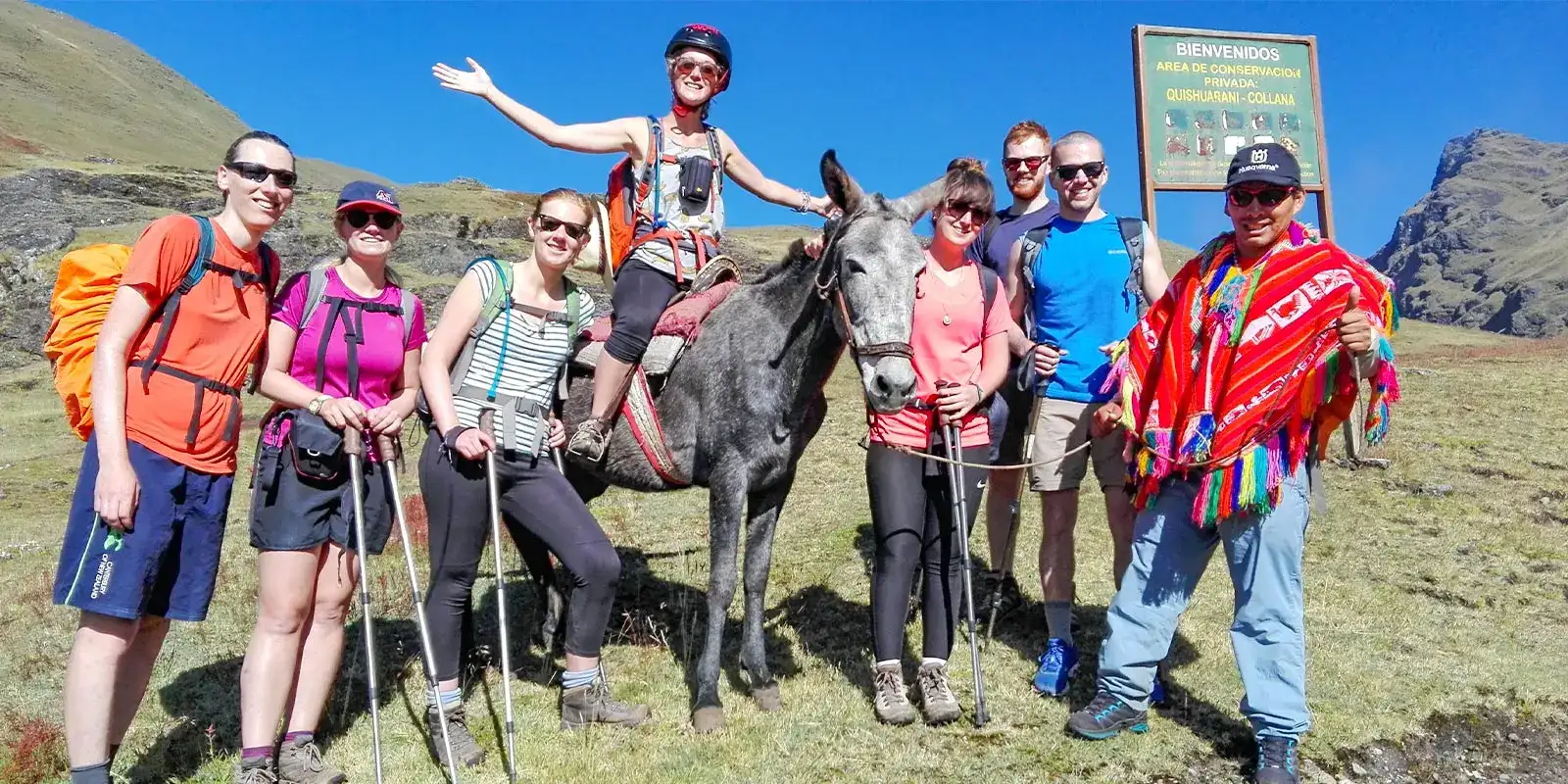
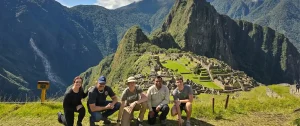
At first glance, the choice between a 4-day and a 5-day Salkantay trek seems simple. Both routes cross the same dramatic landscapes, both reach the same high mountain pass, and both end with a visit to Machu Picchu.
The real difference is not distance or highlights. it’s pace, recovery, and how the experience unfolds day by day.
This guide breaks it down clearly, so you can choose the version that actually fits your travel style.
Same Route, Same Landmarks
Whether you hike the 4-day or 5-day version of the Salkantay Trek, several elements remain the same:
- Humantay Lake
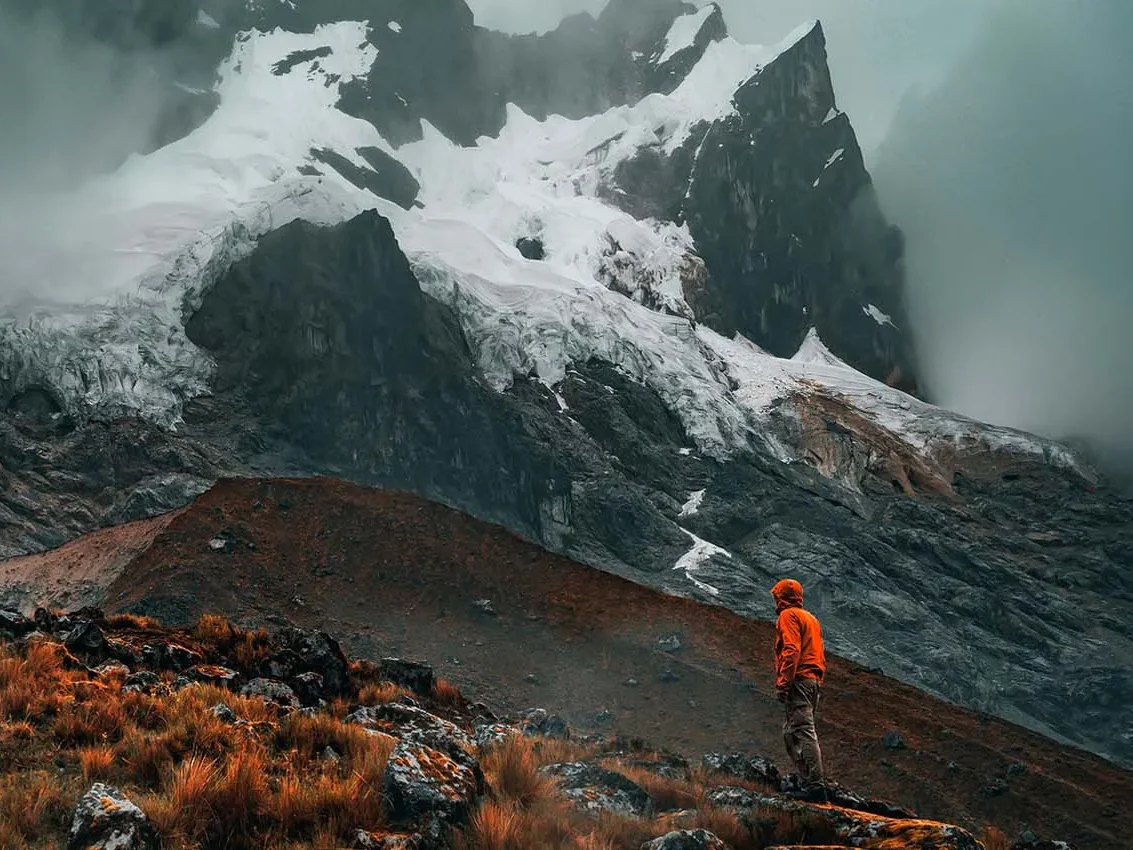
- Salkantay Pass (4,630 m / 15,190 ft)
- High-altitude glacier valleys
- Cloud forest descent
- Connection to Aguas Calientes
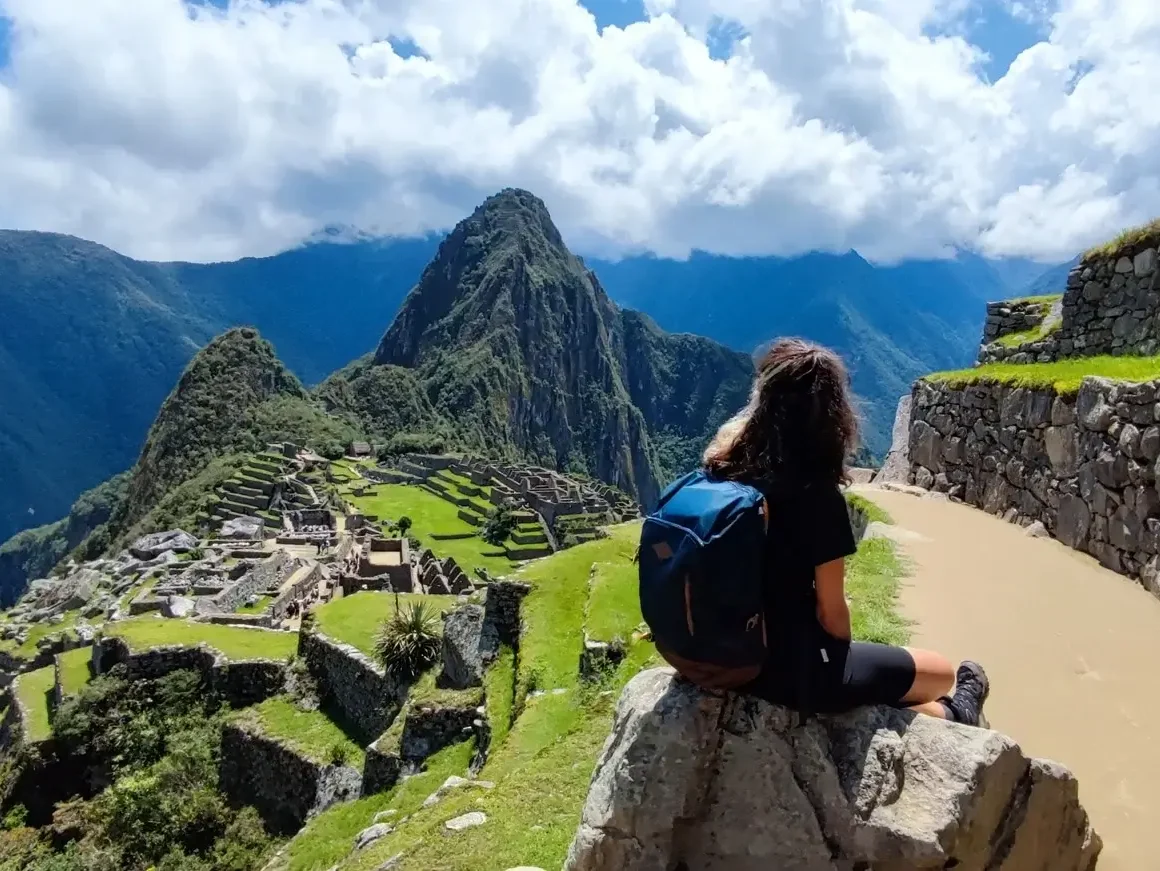
- Guided visit to Machu Picchu
You won’t “miss” iconic sights by choosing one over the other. The decision comes down to how those days are structured.
The Core Difference: Pace and Recovery
The 4-day trek compresses the route into fewer days. This means longer daily distances, earlier starts, and less margin for rest or adaptation to altitude.
The 5-day trek spreads the same journey across an extra night. Daily distances are more balanced, afternoons are less rushed, and recovery between days is noticeably better, especially at high altitude.
This distinction matters more than most travelers expect.
4-Day vs 5-Day Salkantay at a Glance
| Category | 4-Day Salkantay | 5-Day Salkantay |
| Daily Distance | Longer trekking days | More evenly distributed |
| Physical Demand | High intensity | Moderate intensity |
| Altitude Adaptation | Faster ascent | More gradual rhythm |
| Recovery Time | Limited | Better built-in recovery |
| Time at Camps | Mainly functional | Part of the experience |
| Overall Pace | Expedition-style | Immersive trekking |
| Best For | Fit, time-limited hikers | Comfort-focused explorers |
This chart captures the practical difference: compression versus balance.
Who Should Choose the 4-Day Version?
The 4-day Salkantay is a solid option if you:
- Are physically fit and used to long trekking days
- Have limited vacation time
- Are already acclimatized to altitude
- Prefer a faster, more athletic rhythm
- See accommodation mainly as a place to sleep
It delivers the route efficiently, with little downtime.
Who Should Choose the 5-Day Version?
The 5-day Salkantay is better suited if you:
- Value balanced days and better sleep
- Are traveling as a couple
- Prefer comfort without losing the adventure element
- Want more time to adapt to altitude
- Appreciate private accommodation and structured camps
Here, the trek feels less like a physical push and more like a journey through changing landscapes.
How Accommodation Changes the Experience
This is where the extra day makes a real difference.
On a 4-day trek, camps function primarily as transit points. You arrive late, eat, sleep, and leave early. Comfort helps, but there’s limited time to enjoy it.
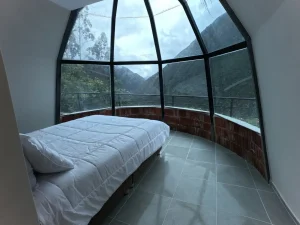
On a 5-day trek, camps become part of the experience. Evenings are longer, recovery is better, and features like private rooms, en-suite bathrooms, and proper dining spaces actually add value rather than simply meeting basic needs.
If you’re choosing a route that includes structured mountain lodging, the slower pace allows you to fully benefit from it.
Making the Right Choice
There is no universally “better” option, only a better fit.
- Choose 4 days if your priority is efficiency and physical challenge.
- Choose 5 days if your priority is balance, recovery, and a more refined trekking rhythm.
Both versions deliver one of the Andes’ most impressive routes. The key is matching the itinerary to how you want to experience it: fast and intense, or measured and immersive.
That decision will shape not just how tired you feel at the end, but how deeply you enjoy every step along the way.