Cocalmayo Hot Springs: The Unexpected Comfort Stop on the Salkantay Route
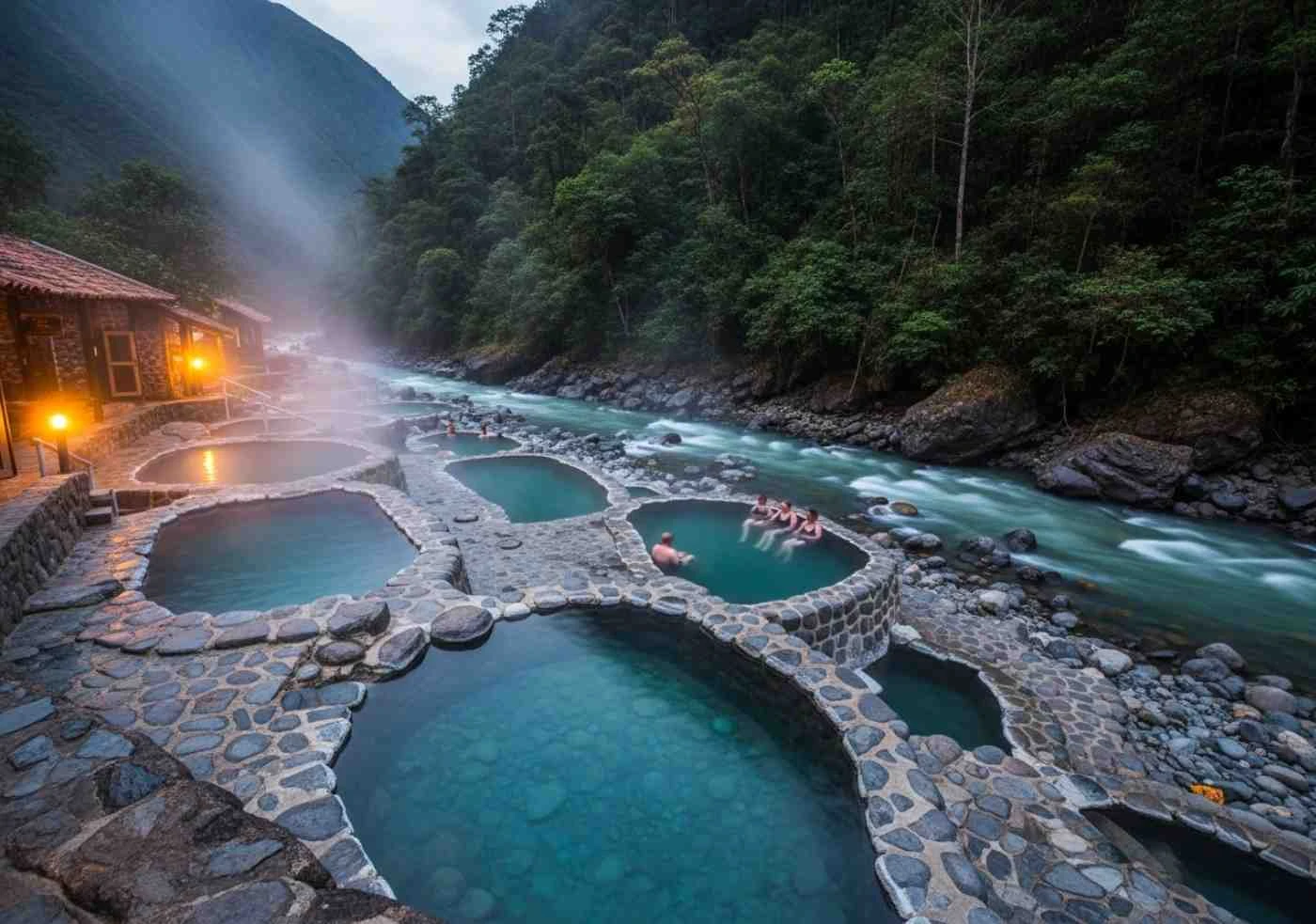
The Reward After the High Andes
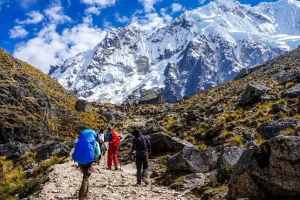
The Salkantay Trek is often defined by its most dramatic moments: the frozen slopes below the towering presence of Salkantay Mountain, the thin air of the high pass, and the rugged landscapes that dominate the early days of the journey.
Yet one of the most memorable experiences on the route appears later, far below the glaciers, where the climate softens and the mountains begin to feel warmer and greener.
Here, near the valley town of Santa Teresa, travelers discover a surprising contrast to the alpine environment they have just crossed: the natural thermal pools of Cocalmayo Hot Springs.
After days of trekking through high-altitude terrain, the chance to relax in warm mineral waters becomes more than a simple stop along the route. It becomes a moment where the journey shifts from endurance to restoration.
What Are the Cocalmayo Hot Springs?
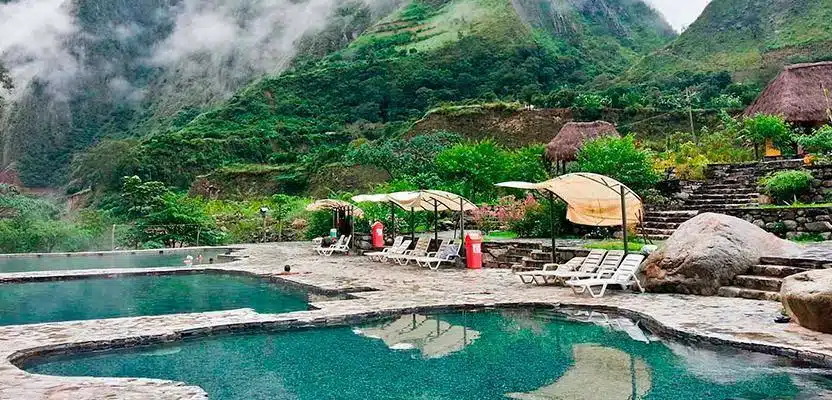
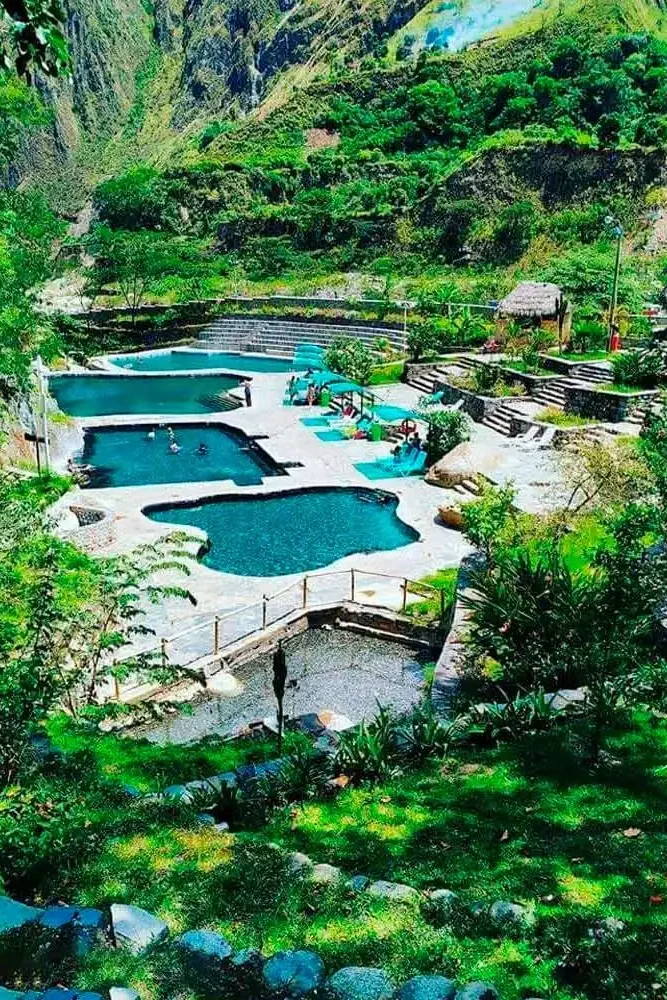
Located along the banks of the Urubamba River valley, Cocalmayo Hot Springs are a series of natural geothermal pools fed by underground thermal sources. The waters emerge from the mountain slopes and are collected in several cascading pools that overlook the surrounding valley.
Unlike many hot springs that are developed as enclosed resorts, Cocalmayo remains closely connected to its natural setting. From the pools, visitors can see steep green mountains rising around the river corridor that leads toward Machu Picchu.
The water temperature varies slightly between pools, allowing travelers to move between warmer and cooler sections while enjoying the open landscape around them.
Why the Hot Springs Feel So Good After the Trek
Part of the appeal of Cocalmayo comes from simple contrast. After several days of hiking at altitude, muscles are tired, temperatures have fluctuated dramatically, and the body has been adjusting to lower oxygen levels.
Warm mineral water offers a form of recovery that many trekkers appreciate immediately. The heat encourages circulation and relaxation, while the gentle environment of the valley provides a welcome shift from the exposed alpine terrain of the previous days.
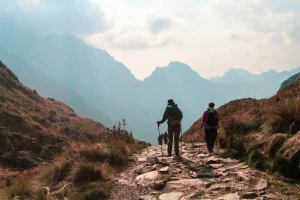
There is also a psychological transition at play. The early stages of the Salkantay Trek demand focus and effort, particularly as travelers approach the high mountain pass. By the time the route reaches the lower valleys near Santa Teresa, the journey begins to feel different, less about overcoming altitude and more about absorbing the landscape.
Soaking in the hot springs often marks that turning point.
Where Cocalmayo Fits Along the Salkantay Route
Geographically, Cocalmayo sits at a lower elevation within the warm valleys surrounding Santa Teresa. This area lies along the transition zone between the Andean cloud forest and the upper edge of the Amazon basin.
After crossing the alpine environments dominated by glaciers and highland grasslands, the trek gradually descends into increasingly humid ecosystems. Vegetation becomes denser, temperatures rise, and agriculture reappears along the slopes.
The presence of geothermal springs in this region reflects the complex geology of the Andes, where tectonic activity continues to shape the landscape beneath the mountains.
For trekkers, this means that one of the route’s most relaxing experiences appears naturally along the path toward Machu Picchu.
The New Comfort Era of the Salkantay Trek
Experiences like Cocalmayo highlight how the Salkantay Trek has evolved over the past decade. While the route remains a challenging and rewarding mountain journey, the way travelers experience it has changed significantly.
Historically, trekking in this region meant basic camping and long days focused primarily on reaching the next destination. Today, many itineraries incorporate greater levels of comfort while preserving the core adventure of crossing the Andes.
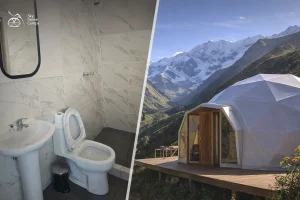
Modern trekking infrastructure now includes improved camps, carefully designed rest stops, and premium accommodations such as the panoramic domes offered by operators like Sky Domes Peru.
These dome lodges allow travelers to sleep in comfortable beds beneath expansive views of the surrounding mountains, combining expedition-style travel with elements more commonly associated with boutique lodging.
In this context, a visit to the hot springs becomes part of a broader philosophy: experiencing the Andes deeply, without sacrificing rest and recovery along the way.
Balancing Adventure and Comfort on the Trek
One of the reasons the Salkantay Trek continues to attract travelers from around the world is the variety of landscapes it crosses in a relatively short distance.
The journey begins among glaciers and high passes, moves through alpine valleys shaped by ancient ice, and then descends into cloud forests and subtropical valleys. Each stage introduces new ecosystems, climates, and perspectives on the Andes.
Moments like the stop at Cocalmayo illustrate how adventure and comfort can coexist within this progression. The trek still demands physical effort and curiosity, but it also provides opportunities to pause, recover, and appreciate the environment from a different vantage point.
For many travelers, these contrasts become part of what makes the Salkantay route feel complete.
Tips for Visiting Cocalmayo
A few simple considerations can help make the most of a visit to the springs:
- Bring swimwear and a towel, as facilities are basic and designed primarily for soaking rather than spa services.
- Visit later in the afternoon or early evening, when the valley atmosphere tends to feel especially calm.
- Take time to move between pools, as temperatures vary slightly.
- Stay hydrated, particularly after trekking at altitude during the previous days.
The relaxed setting encourages travelers to slow down and enjoy the landscape rather than rushing through the experience.
A Different Way to End a Day on the Trail
For many trekkers, the highlight of the Salkantay route is the moment they cross the high mountain pass. Yet the memories that remain strongest often come from quieter moments along the way.
Sitting in the warm waters of Cocalmayo Hot Springs, surrounded by green valleys after days among glaciers, provides a reminder of how quickly the Andes can transform.
That contrast, between cold peaks and warm rivers, between effort and recovery, is part of what makes the Salkantay Trek such a distinctive journey to Machu Picchu.