Himalayas or Andes Mountain? Choosing Your First High-Altitude Trek
A Practical Guide to Selecting the Right Mountain Experience
The World’s Two Great Trekking Regions
For travelers considering their first serious mountain adventure, the decision often narrows naturally to two regions: the Himalayas and the Andes.
Both mountain systems host some of the world’s most recognized trekking routes, offering multi-day journeys through high-altitude environments shaped by geography, culture, and history. Yet despite frequent comparisons, these regions deliver fundamentally different experiences.
Choosing between them is rarely about which mountains are more impressive. Instead, the decision depends on logistics, travel goals, physical expectations, and the type of journey a traveler hopes to experience.
Understanding these differences is often the first step toward planning a successful high-altitude trek.
Understanding High-Altitude Trekking
High-altitude trekking typically refers to multi-day hiking experiences conducted above 3,000 meters, where reduced oxygen levels begin influencing physical performance and recovery.
Unlike technical mountaineering, these routes do not require climbing skills or specialized equipment. The challenge comes from sustained effort, altitude adaptation, and environmental exposure over consecutive days.
Success depends less on athletic ability and more on pacing, acclimatization, and overall trip design.
Both the Himalayas and the Andes provide accessible entry points into this style of adventure travel, though they approach it differently.
Landscapes and Ecosystems: What You Actually Walk Through
Himalayan Treks
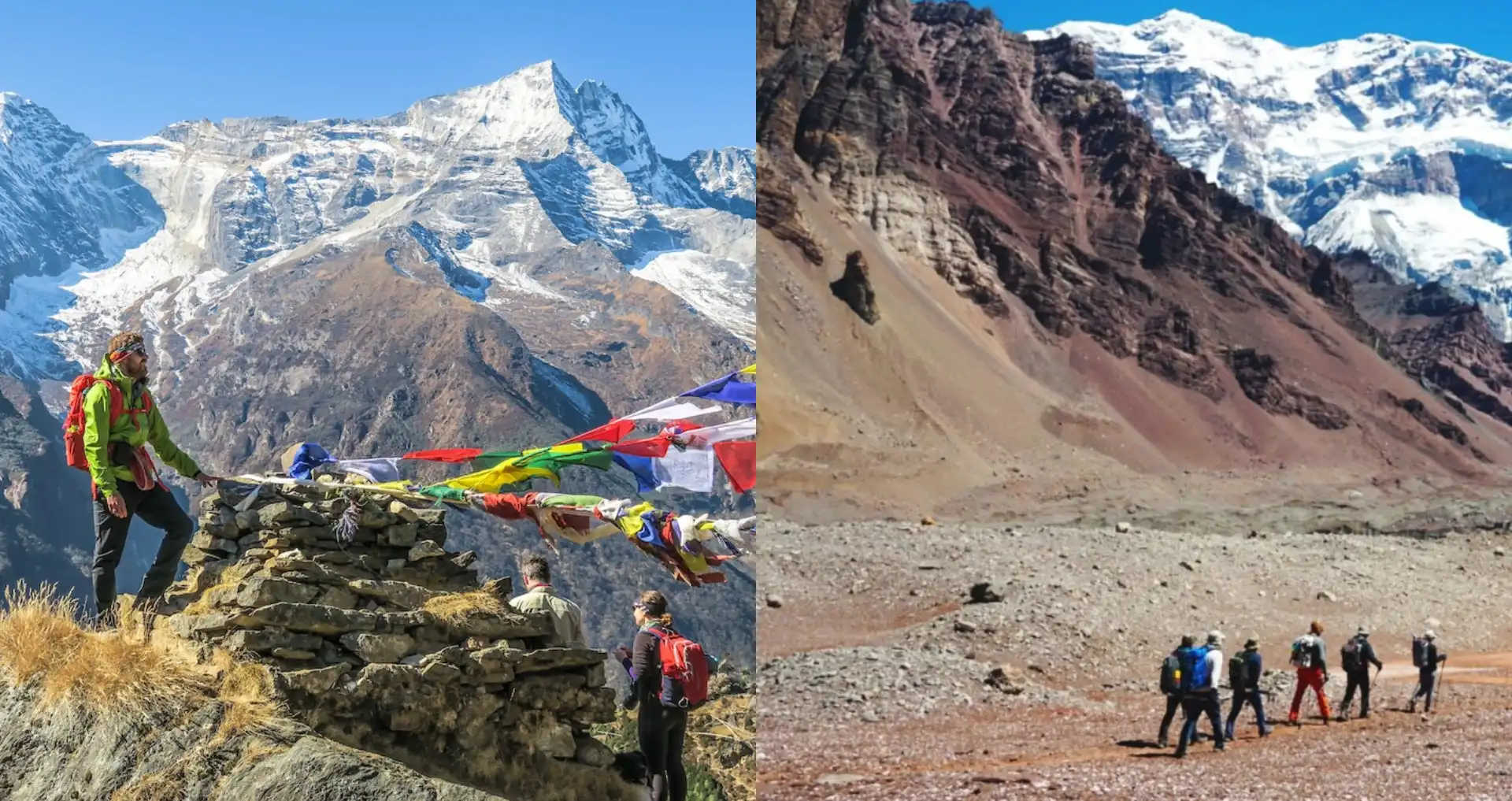
Routes across Nepal and surrounding Himalayan regions are defined by immense vertical scale. Trekkers move through glacial valleys surrounded by some of the highest peaks on Earth, often passing remote mountain villages adapted to extreme environments.
Conditions tend to remain alpine throughout much of the journey, with colder and drier climates dominating higher elevations.
The experience emphasizes exposure to altitude and proximity to massive mountain systems.
Andean Treks in Peru
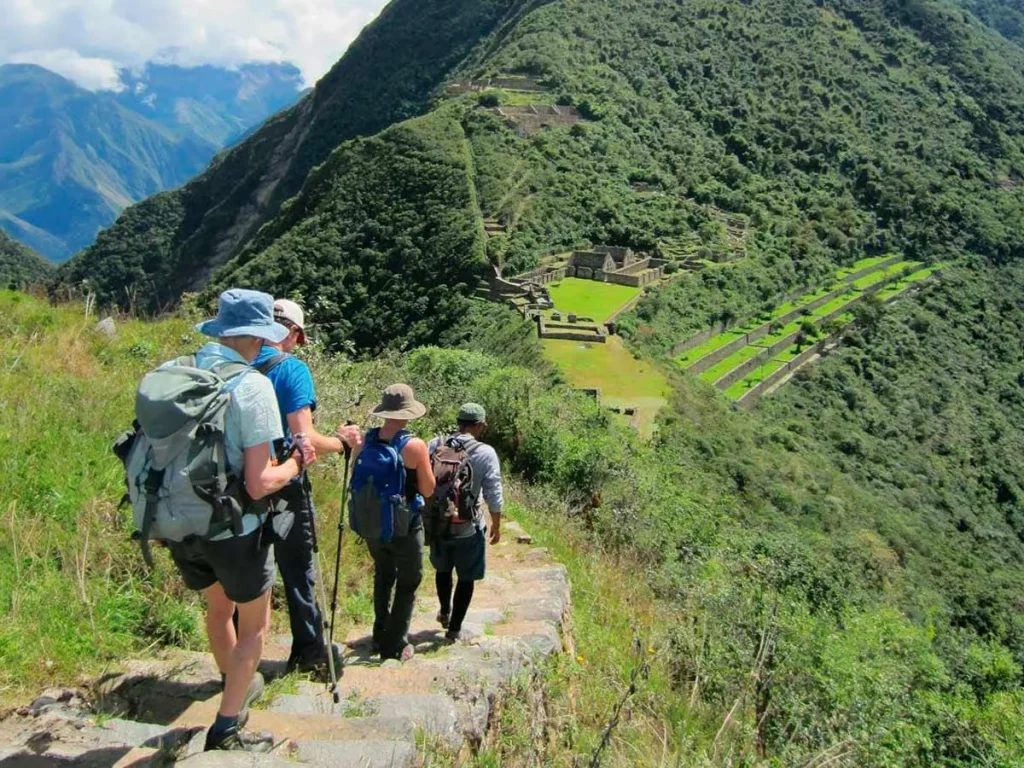
The Andes offer a different form of diversity. Routes such as the Salkantay Trek begin beneath glaciated peaks before descending through high grasslands and eventually into lush cloud forest ecosystems connected to the Amazon basin.
Few trekking routes worldwide transition so dramatically between ecological zones within a single journey. Over several days, hikers experience alpine passes, temperate valleys, and subtropical environments before reaching Machu Picchu.
This environmental progression becomes one of the defining characteristics of trekking in Peru.
Access and Logistics
Logistics often play a decisive role for first-time high-altitude trekkers.
Himalayas
Reaching Himalayan trekking regions typically involves long international travel followed by domestic flights or extended overland transfers into remote mountain areas. Expeditions often require additional contingency days due to weather or infrastructure limitations.
Andes
In Peru, access is comparatively direct. Travelers usually arrive through Cusco, already positioned near major trekking routes. Trailheads can be reached within hours rather than days, and established support infrastructure simplifies planning.
For many travelers entering high-altitude trekking for the first time, reduced logistical complexity lowers overall risk and stress.
Cultural Experience Along the Trail
Mountain trekking is rarely only about landscapes.
Himalayan Routes
Treks frequently pass Buddhist monasteries and Sherpa communities whose traditions remain deeply connected to high mountain life. Cultural encounters emphasize spirituality and adaptation to extreme altitude environments.
Andean Routes
In the Andes, trekking intersects with agricultural communities whose lifestyles remain closely tied to ancient land-use systems developed long before the Inca Empire. Routes leading toward Machu Picchu connect natural landscapes with one of the most significant archaeological regions in the Americas.
The cultural experience becomes integrated into the geography rather than separate from it.
Fitness and Difficulty Expectations
Both mountain systems demand endurance, but difficulty manifests differently.
Himalayan treks often extend over longer periods, with higher sleeping elevations maintained for multiple days. Altitude exposure can therefore feel more sustained.
Andean routes frequently involve steeper elevation changes but shorter expedition timelines. Treks like Salkantay remain physically demanding while fitting within manageable durations for travelers new to high-altitude hiking.
For many first-time trekkers, this balance offers a challenging yet achievable introduction.
Time Commitment and Travel Efficiency
Time availability strongly influences destination choice.
Himalayan treks commonly require two to three weeks when international travel, acclimatization, and trekking duration are combined.
In contrast, Andean routes can be integrated into broader Peru itineraries. Multi-day treks typically last four to five days while still delivering full high-mountain immersion.
This flexibility allows travelers to combine trekking with cultural exploration and regional travel without committing exclusively to an expedition-length journey.
Cost Considerations
While costs vary depending on travel style, structural differences remain consistent.
| Factor | Himalayas | Andes (Peru) |
| International travel distance | Longer | Shorter for many travelers |
| Trek duration | Extended | Moderate |
| Logistics complexity | Higher | More streamlined |
| Overall trip investment | Generally higher | Often more accessible |
Shorter timelines and centralized logistics frequently make Andean treks more attainable for travelers entering high-altitude trekking for the first time.
Arrival Experience: What Awaits at the End
The nature of arrival represents one of the most significant contrasts between regions.
Many Himalayan treks culminate at viewpoints or expedition landmarks such as base camps, where the achievement lies primarily in reaching altitude and distance objectives.
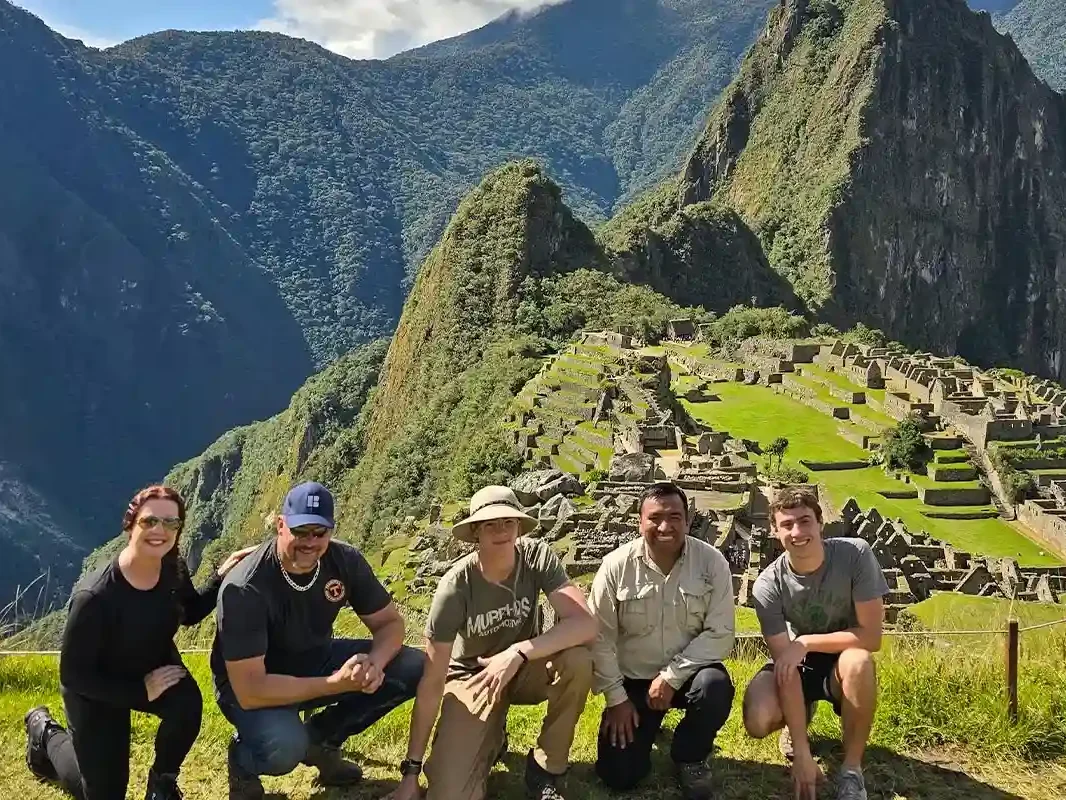
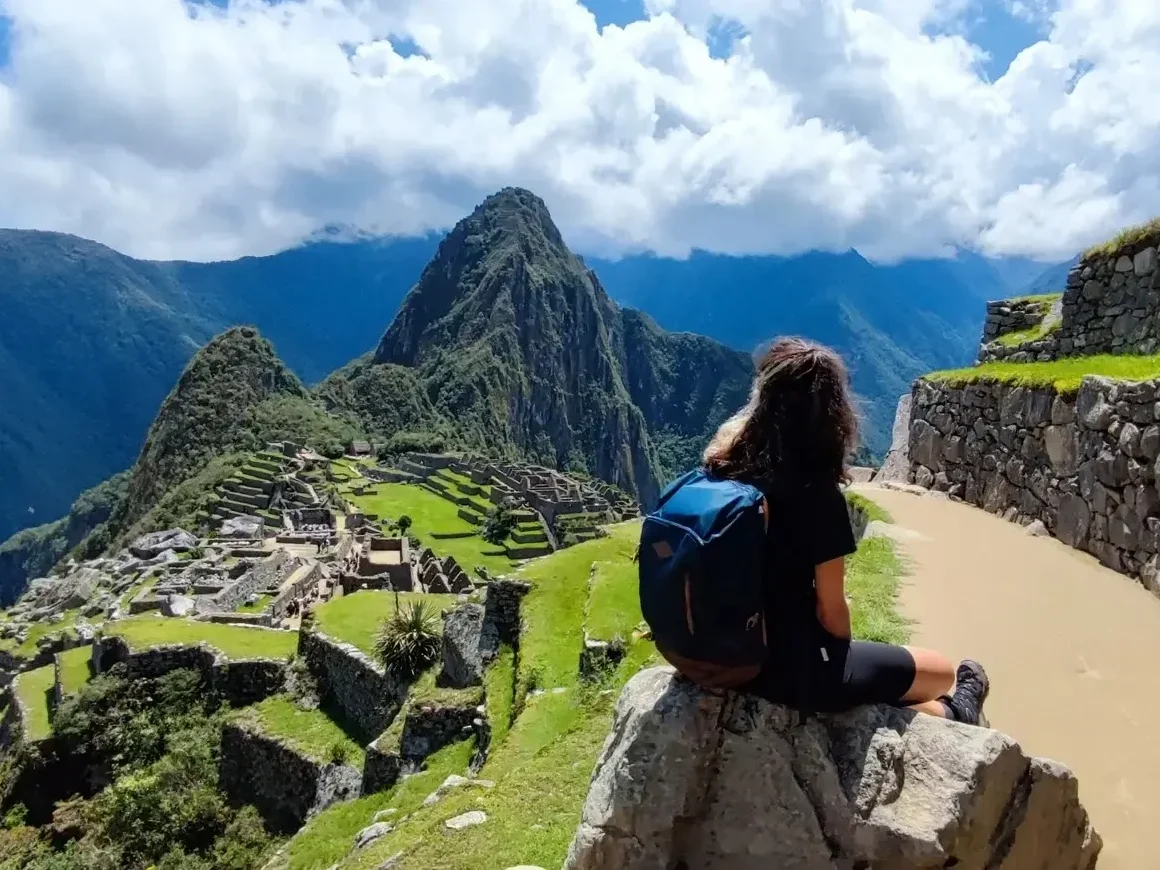
In Peru, routes like the Salkantay Trek conclude at Machu Picchu itself, combining mountain immersion with arrival at one of the world’s most recognized cultural destinations.
The endpoint merges natural achievement with historical significance, giving the journey a distinct narrative closure.
Decision Matrix — Which Region Fits You?
| If You Want… | Himalayas May Be Ideal | Andes May Be Ideal |
| Expedition-scale adventure | ✔ | |
| First high-altitude experience | ✔ | |
| Limited vacation time | ✔ | |
| Extreme altitude exposure | ✔ | |
| Ecosystem diversity | ✔ | |
| Cultural destination finale | ✔ |
There Is No Better Mountain Range — Only the Right First Experience
Both the Himalayas and the Andes offer extraordinary trekking environments capable of reshaping how travelers experience mountains and distance.
For those seeking extended expedition challenges, Himalayan routes provide unmatched scale. For travelers looking to enter the world of high-altitude trekking within a manageable timeframe, while combining environmental diversity and cultural significance, the Andes present a compelling introduction.
Journeys such as the Salkantay Trek demonstrate how a first high-altitude trek can balance challenge, accessibility, and meaningful arrival, turning the path toward Machu Picchu into an experience defined as much by the journey as by the destination itself.