How Your Body Changes on the Salkantay Trek (Day by Day)
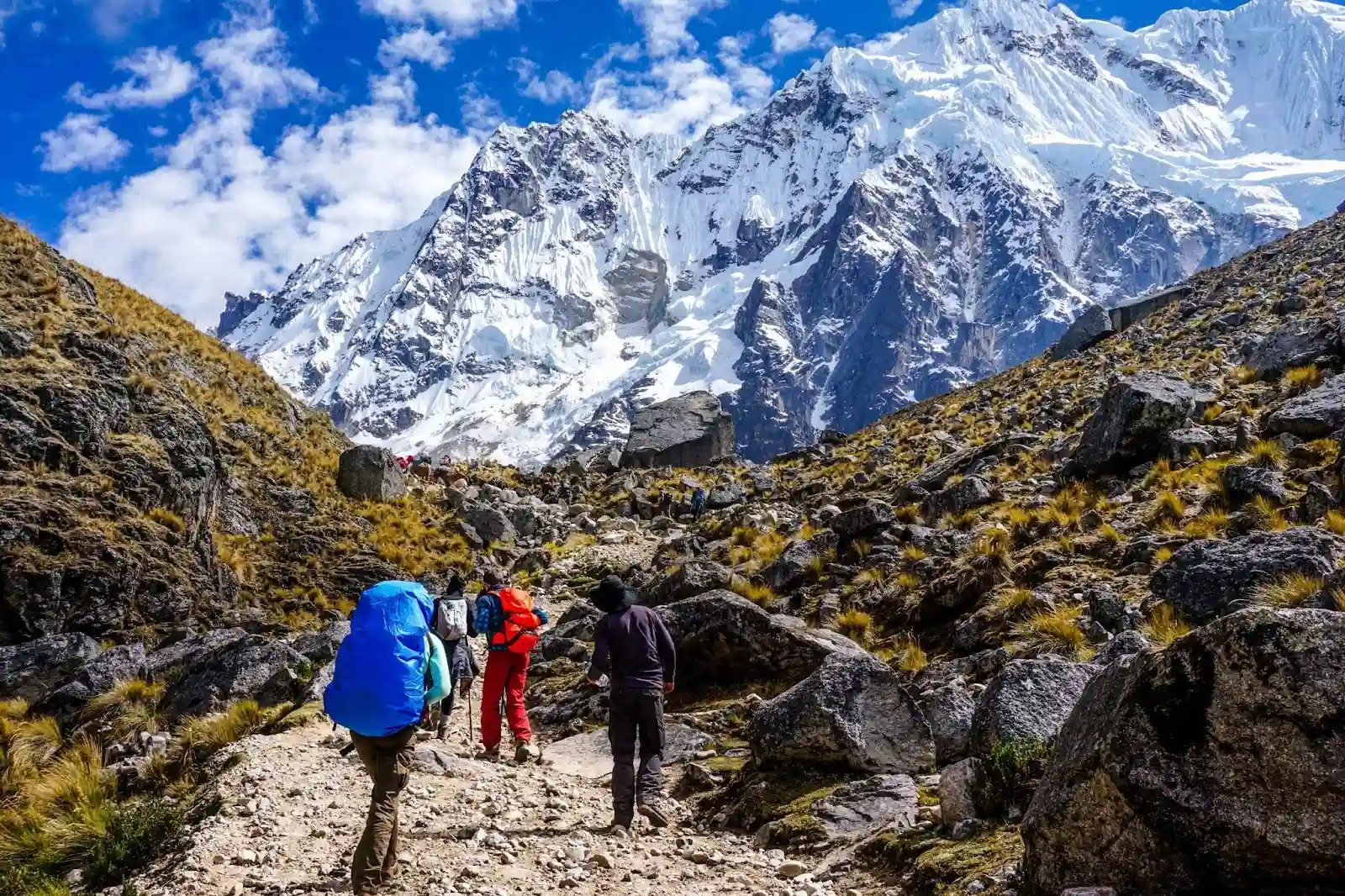
The Salkantay Trek is not only one of the most rewarding approaches to Machu Picchu, it is a controlled physiological journey.
Over five days, your body experiences:
- Sharp elevation gain and loss
- Oxygen availability changes
- Shifts in energy metabolism
- Muscle fatigue accumulation
- Recovery and adaptation
- Environmental transitions from alpine cold to subtropical warmth
Understanding what happens inside your body each day helps you plan pacing, nutrition, recovery, and rest. Ultimately, helps you enjoy the trek more intelligently.
Here’s what your body goes through, day by day.
Day 1 — Cusco to Soraypampa (Including Humantay Lake)
Initial Altitude Introduction & Breathing Adjustment
On the first day, you leave Cusco and immediately ascend through agricultural valleys toward Soraypampa. The hike to Humantay Lake introduces your body to sustained effort at altitude.
Physiological responses include:
- Elevated breathing rate
- Slight heart rate increase
- Mild dehydration from exertion and dry mountain air
- Early recruitment of glycogen as primary energy source
Even on the first night, sleep may feel lighter than usual. The body is already adjusting ventilation patterns and blood oxygen utilization.
Day 1 sets your baseline for altitude exposure.
Day 2 — Soraypampa to Apacheta Pass to Colpapampa
Peak Exertion & Altitude Stress
This is the most demanding physical day of the trek.
Climbing toward Apacheta (Salkantay) Pass, roughly 4,630 meters (15,190 ft), introduces intense physiological stress:
- Oxygen availability is significantly reduced
- Heart rate increases to compensate
- Breathing becomes deeper and more frequent
- Early altitude symptoms like headache or fatigue may appear
- Muscular strain accumulates from ascent and subsequent descent
Energy metabolism becomes mixed. Carbohydrates remain dominant early on, with fat oxidation contributing more during prolonged exertion.
Descending toward Colpapampa begins the first phase of recovery, but your body still carries the cumulative stress of the pass.
Day 3 — Colpapampa to Hot Springs to Lucmabamba
Oxygen Rebound & Active Recovery
Descending from the pass into lower elevations toward Lucmabamba initiates a significant physiological shift.
Key responses include:
- Improved oxygen saturation as altitude decreases
- Stabilized heart and respiratory rates
- Faster removal of metabolic waste from muscles
- Soreness peaking from delayed onset muscle fatigue
- Appetite beginning to normalize
This is the day when recovery becomes noticeable, provided sleep quality and rest conditions are adequate. The body starts using fat oxidation more efficiently for sustained effort.
Hydrotherapy elements like warmth and increased fluid intake significantly support cardiovascular recovery.
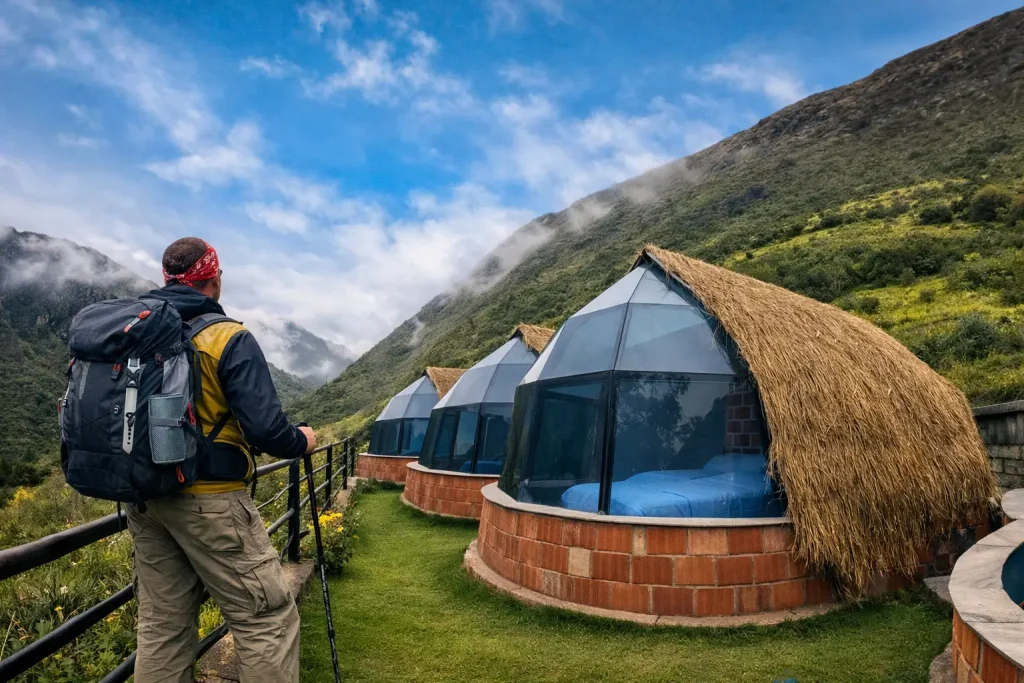
Day 4 — Lucmabamba to Llactapata Ruins to Aguas Calientes
Endurance Execution & Rhythmic Adaptation
With most altitude stress behind you, Day 4 becomes about endurance and rhythm.
Physiologically:
- The body enters a steady-state endurance mode
- Oxygen levels are more favorable
- Muscular coordination improves
- Cardiovascular output becomes more efficient
Psychologically, this day often feels smoother. The trek continues with varied terrain, but your body has begun to adapt to sustained exertion.
Fat metabolism supports longer movement sequences, and energy stores become more balanced.
Day 5 — Aguas Calientes to Machu Picchu to Cusco
Sustained Performance & Final Arrival
The final day begins with an early start and culminates at Machu Picchu. At this point:
- Your rhythm is established
- Energy output feels controllable
- Muscles feel fatigue but cooperate effectively
- Breathing stays efficient
By now, your body is adapted to the five-day sequence, and cardiovascular and metabolic systems operate with improved efficiency.
Mental anticipation and positive stress also contribute to sustained performance.
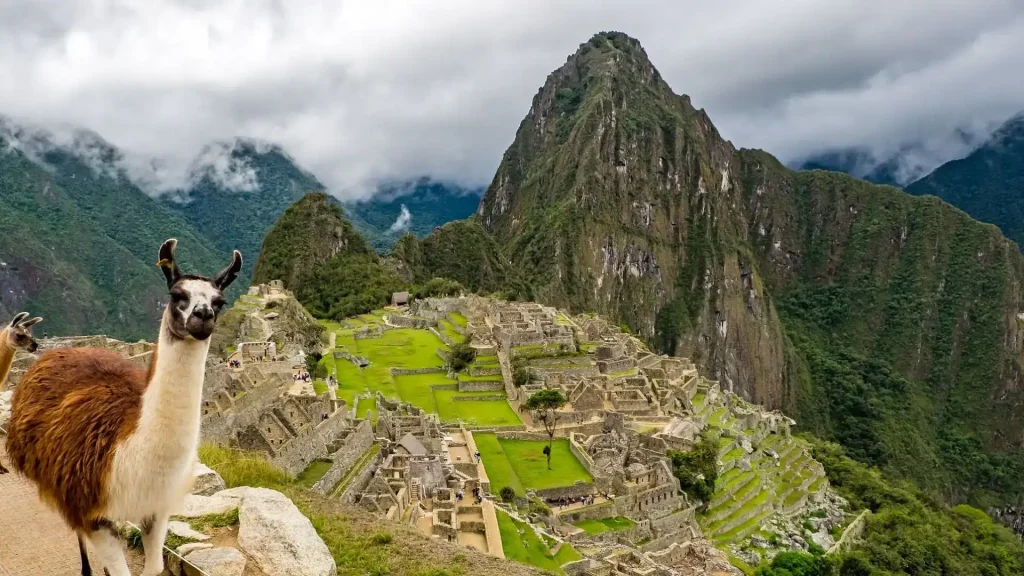
The Physiology of the Trek at a Glance
Here’s how key biological and trekking factors evolve from day to day:
| Trek Day | Altitude Trend | Oxygen Impact | Energy Focus | Sleep Needs | Recovery Factors |
| Day 1 Cusco → Soraypampa | ↑ Moderate | Light adaptation | Carbohydrates | Moderate | Hydration & early rest |
| Day 2 Soraypampa → Pass → Colpapampa | ↑↑ Peak | High stress | Mixed fuel | High | Quality rest & warmth |
| Day 3 Colpapampa → Hot Springs → Lucmabamba | ↓ Significant | Oxygen rebound | Fat + carbs | Very high | Deep rest & regeneration |
| Day 4 Lucmabamba → Llactapata → Aguas Calientes | ↓ Moderate | Stable | Endurance | Moderate | Muscle recovery |
| Day 5 Aguas Calientes → Machu Picchu → Cusco | ↓ Slight | Stable | Endurance | Low | Sustained stamina |
This chart illustrates how altitude, oxygen, energy metabolism, sleep demand, and recovery needs shift throughout the itinerary.
Altitude stress peaks on Day 2 but recedes as you descend. Sleep needs and recovery potential are highest immediately after the pass, precisely when physiological restoration matters most.
What This Means for You
The Salkantay Trek is a controlled physiological progression more than just a hiking itinerary.
Expect:
- Altitude stress early on
- Peak cardiovascular demand on the pass day
- Noticeable oxygen relief as you descend
- Muscle soreness that correlates with exertion peaks
- Sustained endurance by the final day
Understanding these changes helps you manage:
- Pacing
- Hydration
- Nutrition
- Rest
- Recovery quality
The trek tests your body’s adaptive mechanisms, and when you support those adaptations effectively, the journey becomes not just achievable but manageable and rewarding.
Supporting your body’s adaptation with thoughtful rest, including quality sleep, warmth, and targeted recovery, is not a luxury. It’s part of performing well on a demanding multi-day route.
When you arrive at Machu Picchu feeling strong rather than depleted, you’ll recognize the difference that understanding your body makes.