Salkantay Trek FAQ: Logistics, Difficulty & Preparation Explained
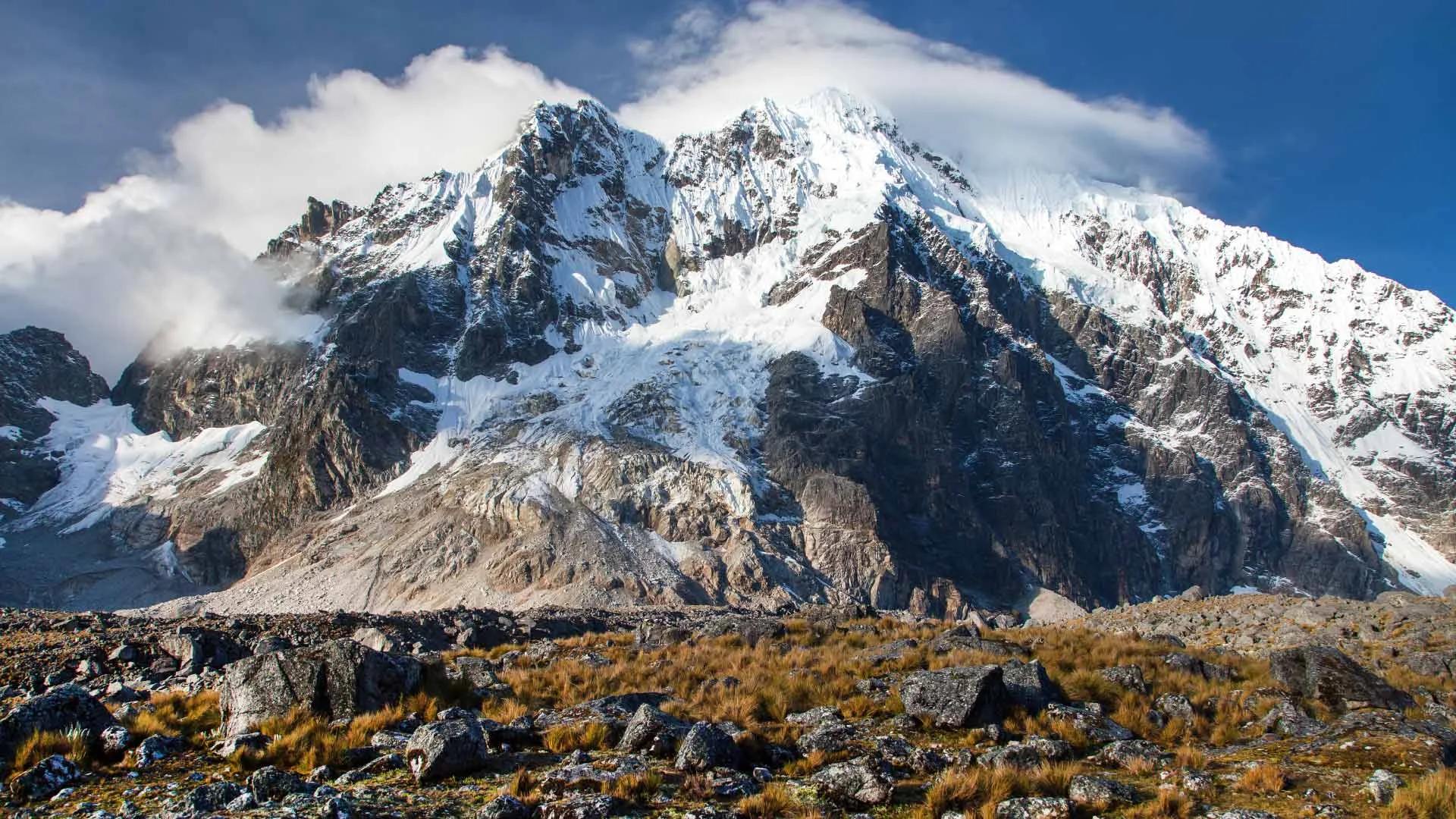
The Salkantay Trek has evolved from an alternative route to Machu Picchu into one of South America’s most researched multi-day hikes.
Yet most travelers begin planning with fragmented information: blog opinions, outdated packing advice, or unclear difficulty descriptions.
This guide consolidates the most relevant logistical and preparation questions into one practical reference, designed to help you evaluate readiness, understand real conditions, and plan efficiently.
1. How difficult is the Salkantay Trek really?
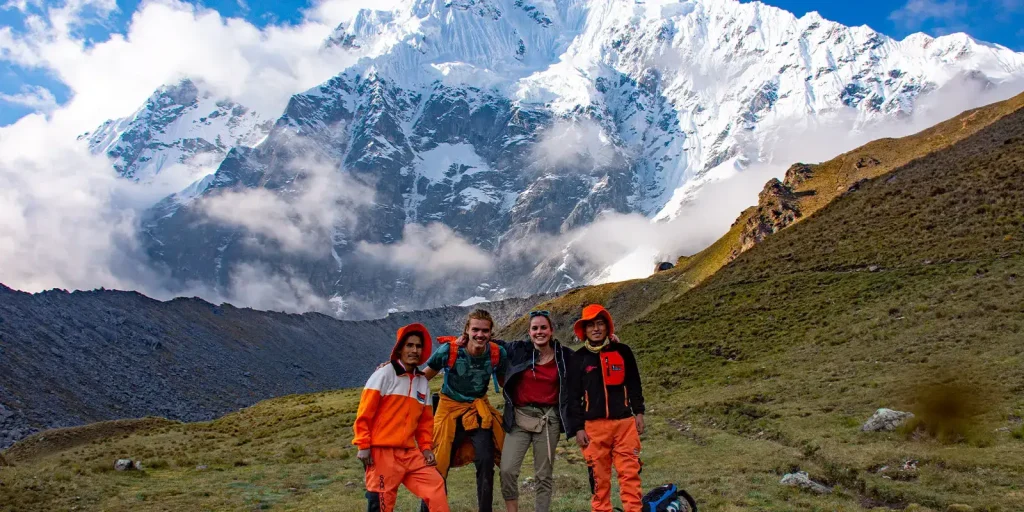
The Salkantay Trek is considered moderate to challenging, primarily due to altitude rather than technical terrain.
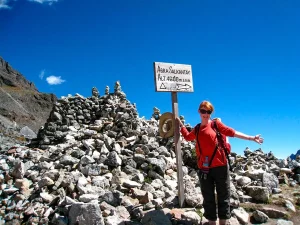
The key challenge occurs at Salkantay Pass (4,630 m / 15,190 ft), where oxygen levels drop significantly. Daily hiking distances typically range between 12–22 km (7–13 miles), combining sustained ascents, long descents, and changing climates.
No climbing or technical skills are required, but endurance, pacing discipline, and altitude adaptation are essential.
2. Do I need previous trekking experience?
Previous multi-day hiking experience is helpful but not mandatory.
What matters more is:
- Cardiovascular endurance
- Ability to hike 6–8 hours daily
- Comfort walking on uneven terrain
- Mental resilience during long ascent days
Travelers with consistent physical activity backgrounds generally adapt well with proper acclimatization.
3. How many days should I choose: 4 or 5?
Both itineraries reach the same destination but offer different pacing.
- Faster progression
- Longer daily hikes
- Better suited for fit travelers with limited time
- Improved altitude adaptation
- More recovery time
- Higher enjoyment of landscapes and camps
For most trekkers, the 5-day version provides a more sustainable experience.
4. How should I train before the trek?
Preparation should begin 6–8 weeks before arrival.
Recommended focus:
- Hiking or stair climbing (weighted backpack optional)
- Long walks exceeding 10 km
- Leg strength training
- Moderate cardio sessions (running, cycling, swimming)
Altitude cannot be simulated easily, but cardiovascular conditioning significantly improves adaptation.
5. How many days should I acclimatize in Cusco?
A minimum of 2–3 days in Cusco is strongly recommended before starting the trek.
Effective acclimatization includes:
- Light activity instead of rest-only days
- Hydration
- Avoiding alcohol during initial arrival
- Progressive exposure to elevation
Skipping acclimatization remains one of the most common causes of difficulty on Day 1.
6. What is the hardest day of the trek?
Day 2: the ascent toward Salkantay Pass, is widely considered the most demanding.
Factors include:
- Continuous uphill hiking
- Maximum altitude exposure
- Cold morning temperatures
- Reduced oxygen availability
After crossing the pass, the route transitions progressively into warmer cloud forest environments.
7. What accommodation conditions should I expect?
Accommodation standards vary significantly between operators.
Camp Infrastructure Comparison
| Feature | Standard Camps | Dome Camps |
| Sleeping Structure | Trekking tents | Insulated domes |
| Weather Protection | Basic | Enhanced insulation |
| Bed Setup | Sleeping pad | Real mattress |
| Private Space | Shared zones | Individual units |
| Dining Area | Temporary tents | Permanent panoramic dining rooms |
| Bathrooms | Shared basic | Private or upgraded facilities |
| Shower Availability | Limited | Available at select camps |
| Connectivity | None | WiFi at strategic locations |
| Overall Recovery Quality | Functional | Optimized for rest |
Infrastructure directly impacts sleep quality, recovery, and overall trekking performance rather than luxury perception alone.
8. What should I pack — and what should I avoid?
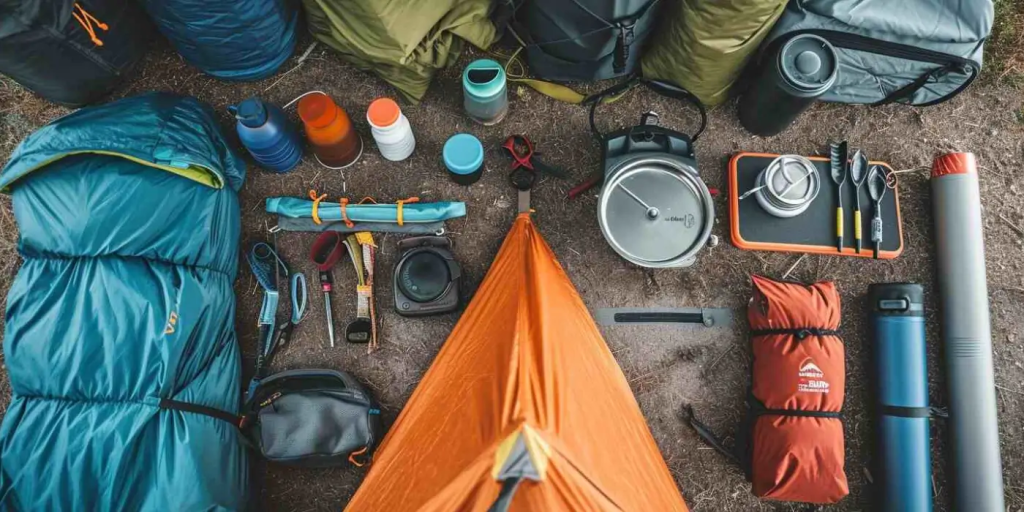
Essential items
- Layered clothing system
- Waterproof outer shell
- Warm insulation jacket
- Trekking poles
- Sun protection
- Headlamp
- Comfortable hiking boots
Common packing mistakes
- Overpacking heavy clothing
- Bringing new, untested boots
- Underestimating sun exposure
- Insufficient cold-weather layers for early mornings
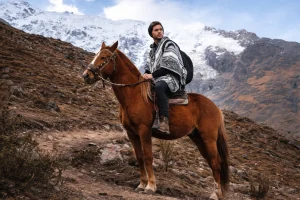
Porter or horse support typically carries duffel bags, but daily backpacks remain your responsibility.
9. Is altitude sickness common?
Mild altitude symptoms are relatively common above 4,000 meters.
Typical symptoms:
- Headache
- Fatigue
- Reduced appetite
- Sleep disturbance
Proper acclimatization, hydration, and pacing reduce risk substantially. Guides continuously monitor trekkers during ascent stages.
10. When is the best time to hike the Salkantay Trek?
The most stable conditions occur between April and October, during the Andean dry season.
| Season | Conditions | Recommendation |
| April–May | Green landscapes + stable weather | Excellent |
| June–August | Dry, colder nights | Peak season |
| September–October | Fewer crowds | Very good |
| November–March | Rainy season | Variable conditions |
Landscape appearance changes seasonally, but accessibility remains year-round with proper planning.
11. How does the Salkantay Trek end?
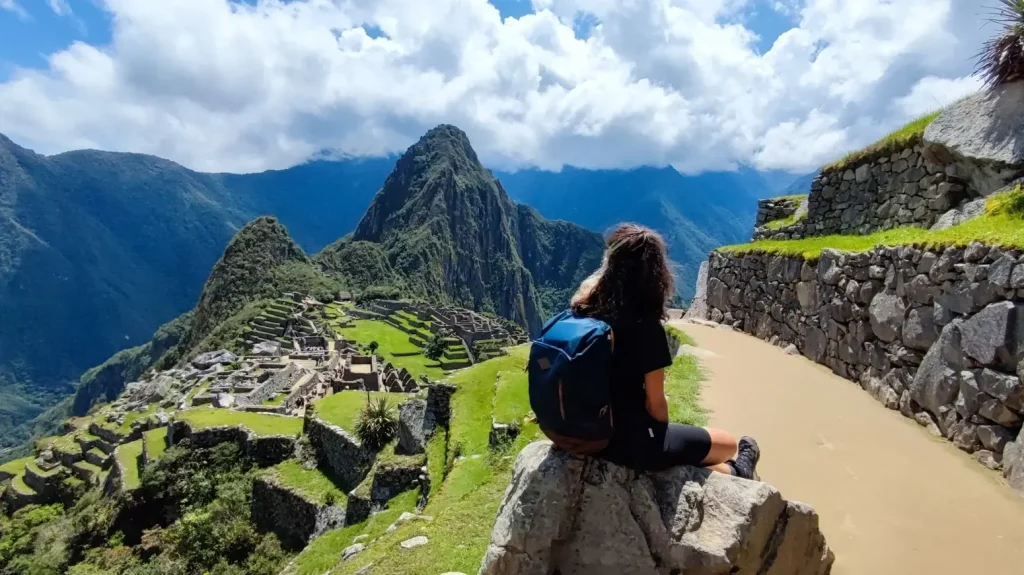
Most itineraries conclude in Aguas Calientes, the gateway town below Machu Picchu.
From there:
- Overnight stay
- Early bus ascent
- Guided visit to the archaeological site the following morning
This progression allows physical recovery before exploration.
12. Is the Salkantay Trek worth choosing over the Inca Trail?
Unlike the permit-restricted Inca Trail, Salkantay offers:
- Greater environmental diversity
- Higher mountain exposure
- Flexible departures
- Less congestion
The experience emphasizes landscape immersion rather than archaeological sequencing.
Preparation Defines Experience
The Salkantay Trek is not defined solely by distance or altitude, but by logistical preparation and recovery conditions.
Travelers who understand pacing, infrastructure differences, and acclimatization requirements consistently report stronger performance and higher enjoyment throughout the route.
Planning well transforms the trek from a physical challenge into a highly manageable high-altitude journey.