The Evolution of Trekking to Machu Picchu: Inca Trail vs Salkantay
For decades, trekking to Machu Picchu meant one thing: the Inca Trail. It became the benchmark, the regulated, iconic path that defined what a pilgrimage to the citadel should look like. Permits were limited. Campsites were fixed. The experience was structured and ceremonial.
But trekking culture evolves. Traveler expectations shift. Comfort standards rise. And what people seek in the mountains today is not always what defined adventure twenty years ago.
The question is no longer simply Which is more famous?
It is increasingly: Which experience represents the future of trekking in Peru?
The Inca Trail: Legacy and Structure
The Inca Trail is history in motion.
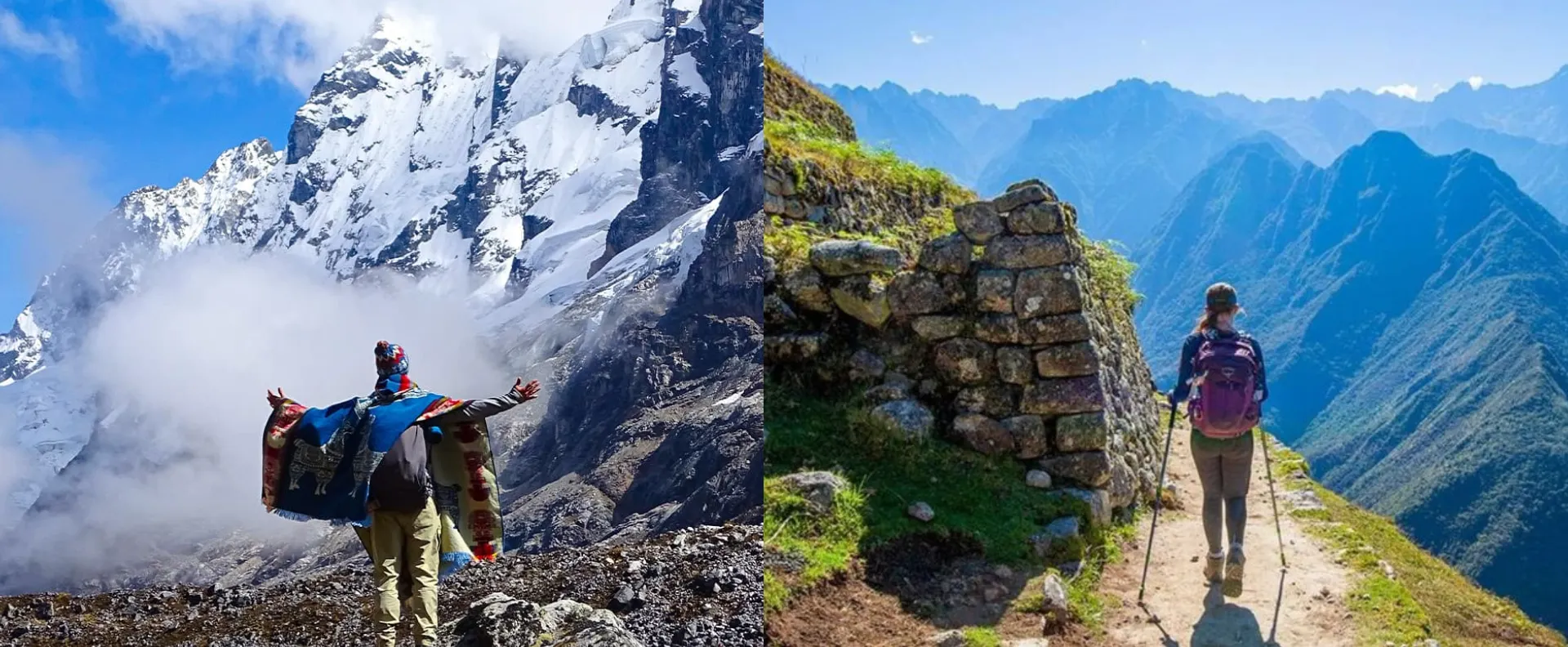
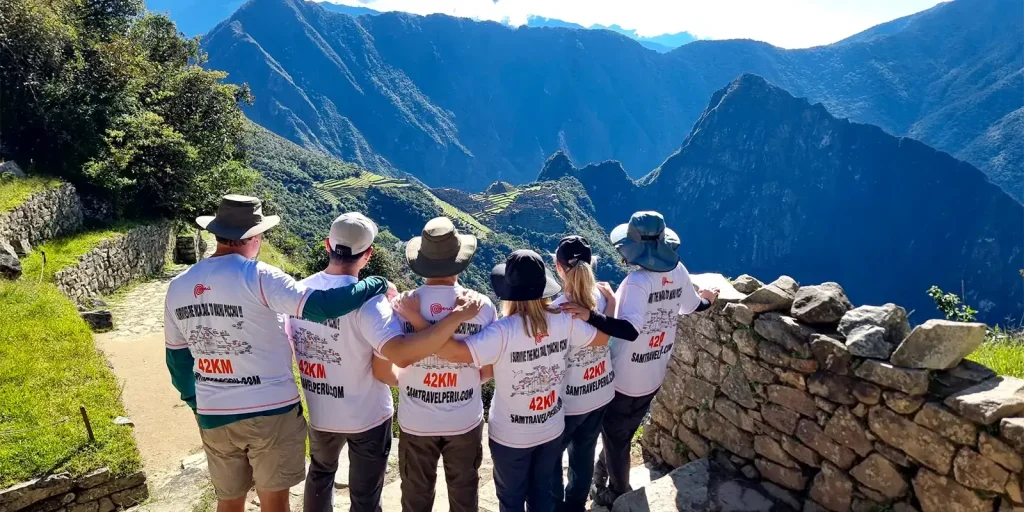
It connects multiple Inca archaeological sites before culminating at the Sun Gate overlooking Machu Picchu. Its appeal lies in continuity, walking through preserved stone paths exactly as they were laid centuries ago.
Key characteristics:
- Fixed daily permit limits
- Structured campsites
- Archaeological immersion
- Direct ceremonial arrival through Inti Punku
For many travelers, this remains the definitive, classic experience. For it’s organization, protection, and global recognition.
The Inca Trail represents tradition, carefully preserved and tightly regulated.
The Salkantay Trek: Scale and Wilderness
The Salkantay Trek tells a different story.
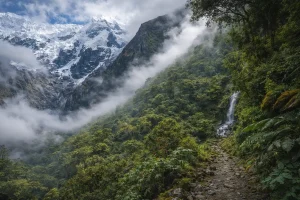
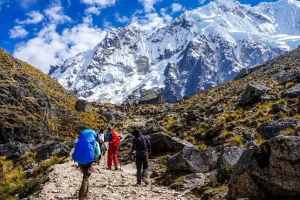
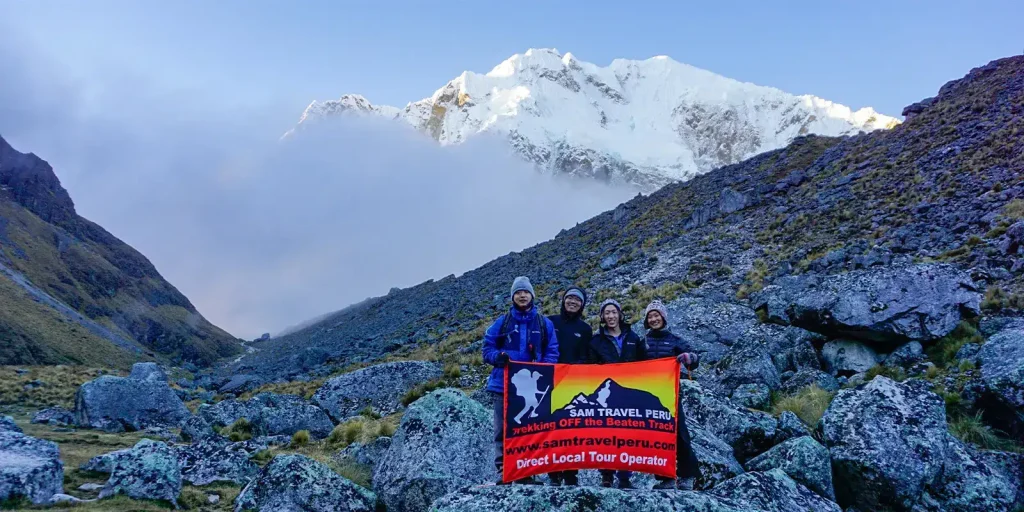
Instead of moving through a corridor of archaeological sites, it moves through ecosystems. You cross high Andean meadows, ascend to 4,630 meters at the base of the sacred glacier Salkantay, then descend into cloud forest and tropical valleys.
This route is less about ceremonial stonework and more about geological scale.
- Glacier landscapes
- The highest mountain pass on any Machu Picchu route
- Rapid ecosystem transitions
- Expansive valleys with greater physical spacing between groups
Where the Inca Trail feels curated, Salkantay feels open.
It is not designed around a controlled corridor. It unfolds through terrain.
Crowds and Access: Regulation vs Geography
The Inca Trail achieves exclusivity through limitation. Only a fixed number of permits are issued daily, often selling out months in advance.
Salkantay operates differently. There is no strict government permit cap, and the geography itself disperses hikers naturally across longer distances.
Both systems create space, but in different ways:
- Inca Trail: exclusivity through regulation
- Salkantay: exclusivity through terrain and scale
For some, the structure is reassuring.
For others, the openness feels liberating.
Physical Challenge: The Historical Barrier
Salkantay is undeniably more demanding.
The 4,630m pass, longer mileage days, and larger elevation swings historically positioned it as the more serious option. This physical intensity filtered who attempted it.
For years, that difficulty limited its mainstream popularity.
But difficulty alone does not define a route. Infrastructure does.
The Quiet Transformation of Salkantay
Over the past decade, the Salkantay route has undergone a subtle but important shift.
Logistics have improved. Camps have evolved. Structured recovery points now exist in key locations. Some sections of the route offer accommodations that rival boutique hotel standards rather than traditional expedition camping.
This evolution changes the equation.
The physical challenge remains, but the recovery experience has elevated.
The trek no longer means sacrificing comfort entirely.
That shift matters.
Because modern trekkers often seek both intensity and restoration.
Who Is Choosing What and Why
| Traveler Profile | More Likely to Choose the Inca Trail | More Likely to Choose the Salkantay Trek |
| First-Time Visitor to Peru | Wants the iconic, classic route with global recognition and structured logistics. | Open to exploring beyond the most traditional option. |
| History-Focused Traveler | Prioritizes Inca archaeological sites along the trail and ceremonial arrival through the Sun Gate. | Appreciates nature more than archaeological density. |
| Landscape-Oriented Hiker | Enjoys mountain scenery but accepts regulated camps and shared flow. | Seeks glacier views, altitude shifts, and ecosystem diversity. |
| Crowd Sensitivity | Accepts controlled density as part of a famous route. | Prefers wider spacing and a stronger sense of solitude. |
| Comfort Expectations | Comfortable with traditional trekking camps. | Interested in upgraded camps and 3-star dome-style recovery points. |
| Physical Challenge Tolerance | Moderate to high. | High — willing to cross a 4,630m pass. |
| Booking Flexibility | Plans months ahead due to permit restrictions. | Appreciates greater availability and flexibility. |
| Repeat Peru Traveler | Completing the classic experience. | Seeking a deeper, less conventional mountain journey. |
This comparison is not about superiority.
It is about alignment.
The Future of Trekking to Machu Picchu
Will Salkantay replace the Inca Trail?
Unlikely.
The Inca Trail is too historically embedded to disappear from the conversation. Its legacy is secured.
But travel trends are shifting in measurable ways:
- Travelers increasingly value open landscapes over structured corridors.
- Comfort expectations are rising, even in remote environments.
- Flexibility in booking has become a deciding factor.
- Solitude is no longer optional; it is sought after.
Under those conditions, Salkantay’s appeal grows naturally.
It offers physical scale, environmental diversity, and evolving infrastructure, all without the same permit competition.
It may not replace tradition.
But it is clearly redefining what a modern trek to Machu Picchu can look like.
Tradition or Evolution?
The Inca Trail represents heritage, ceremony, and controlled preservation. Salkantay represents wilderness, physical scale, and adaptive infrastructure.
Neither invalidates the other. But if the future of trekking favors space, recovery, and immersive landscapes, then Salkantay is positioned not as an alternative, but as an evolution.
And evolution tends to shape what comes next.