The World’s Most Iconic Treks — And Why Two of Them Are in Peru
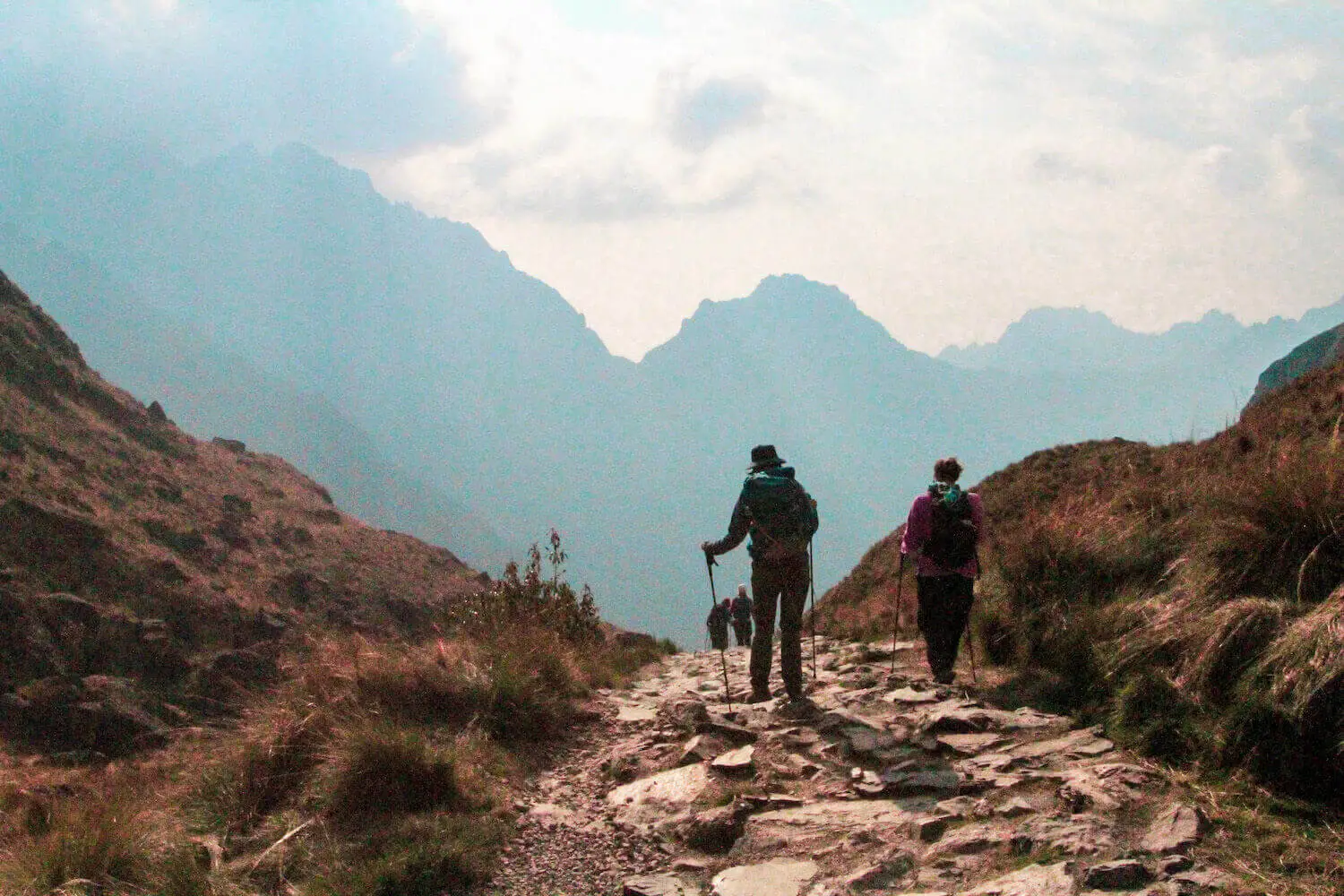
Why Certain Treks Become Legendary
Around the world, thousands of hiking routes cross mountains, forests, and remote landscapes. Yet only a small number achieve global recognition as truly iconic treks. Journeys travelers plan years in advance and often describe as defining travel experiences.
What separates these routes is not simply scenery or difficulty. The world’s most respected treks combine environmental scale, cultural context, and a meaningful sense of progression toward a destination.
From the Himalayas to the European Alps, these routes share a common principle: the journey itself transforms how arrival is experienced.
Few travelers realize that Peru is home to two treks consistently mentioned within this global category.
What Defines a World-Class Trek?
Across continents, legendary trekking routes tend to share several characteristics:
- Sustained immersion in natural environments
- Gradual geographic progression rather than isolated viewpoints
- Interaction between landscape and human history
- Altitude or environmental exposure that creates commitment
- A strong sense of arrival or completion
These elements elevate a hike beyond recreation. The route becomes a narrative unfolding across days rather than a single destination visit.
Under these criteria, certain treks repeatedly emerge as global benchmarks.
The Salkantay Trek — High Andes Immersion
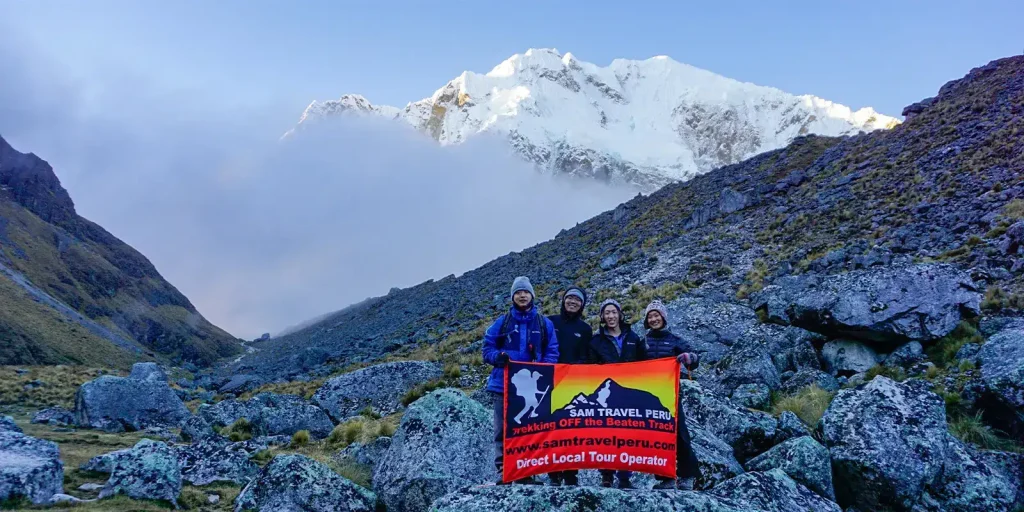
The Salkantay Trek represents one of the purest mountain immersion experiences in South America.
Rather than following ancient infrastructure, the route crosses remote sections of the Andes beneath glaciated peaks, moving from high alpine terrain into lush cloud forest environments over several days. The environmental transition is dramatic yet continuous, allowing hikers to experience the scale of the mountain system gradually.
Altitude exposure, changing ecosystems, and isolated camps create a strong expedition rhythm rarely found in more accessible trekking routes.
Its defining characteristic, however, is culmination. After days moving through remote landscapes, the trek concludes at Machu Picchu, transforming arrival into the final stage of a journey rather than a standalone visit.
The Inca Trail — A Cultural Journey Through History
If Salkantay represents wilderness immersion, the Inca Trail offers a fundamentally different type of iconic experience.
Here, hiking follows original stone pathways engineered centuries ago by the Inca civilization. Archaeological sites appear progressively along the route, linking physical movement with historical continuity.
The trek’s most distinctive feature is its ceremonial arrival through the Sun Gate overlooking Machu Picchu, an approach designed intentionally as a moment of revelation.
Few treks worldwide combine cultural heritage and landscape so seamlessly within a multi-day journey.
Other Iconic Treks Around the World
Peru’s routes stand alongside several internationally recognized trekking experiences that define adventure travel globally.
The Everest Base Camp Trek in Nepal introduces hikers to the scale of the Himalayas and high-altitude expedition environments. Europe’s Tour du Mont Blanc connects alpine landscapes across multiple countries through a continuous mountain circuit.
The historic Camino de Santiago offers yet another interpretation of long-distance trekking, emphasizing cultural exchange and personal reflection across hundreds of kilometers of pilgrimage routes.
In South America, Patagonia’s multi-day circuits showcase raw wilderness shaped by glaciers and extreme weather systems.
Each differs in terrain and philosophy, yet all share the same defining quality: travelers experience distance, landscape, and progression over time rather than instant access.
Why Peru Offers an Unusual Concentration of World-Class Treks
Few destinations combine the ingredients required for globally significant trekking within such a compact region.
The Peruvian Andes provide:
- extreme elevation changes within short geographic distances
- living cultural landscapes still connected to mountain environments
- accessible logistics without sacrificing remoteness
- a globally recognized endpoint in Machu Picchu
This combination allows Peru to offer both wilderness-focused and culturally immersive treks without requiring expedition-level complexity.
For many travelers, it represents one of the most accessible ways to experience high-altitude trekking at a world-class level.
Trek Comparison Matrix
| Trek | Landscape Type | Cultural Element | Altitude Exposure | Arrival Experience |
| Salkantay Trek | High Andes wilderness | Limited | High | Machu Picchu arrival |
| Inca Trail | Historic mountain corridor | Extensive | Moderate–High | Sun Gate entrance |
| Everest Base Camp | Himalayan alpine | Moderate | Extreme | Base camp destination |
| Tour du Mont Blanc | European Alps | Village culture | Moderate | Circular completion |
| Camino de Santiago | Cultural landscapes | Extensive | Low–Moderate | Pilgrimage endpoint |
Choosing Between Peru’s Two Iconic Treks
Although both Peruvian routes lead toward Machu Picchu, they appeal to different travel motivations.
The Salkantay Trek prioritizes environmental immersion, solitude, and mountain scale. It tends to attract travelers seeking wilderness exposure and sustained physical engagement.
The Inca Trail emphasizes historical continuity and archaeological discovery, offering a structured cultural journey integrated directly into the hiking experience.
Neither replaces the other. Instead, they represent two distinct interpretations of what makes a trek memorable.
Why Peru Belongs on the World Trekking Map
Travelers often cross continents in search of legendary hiking experiences, journeys capable of reshaping how destinations are perceived.
What makes Peru exceptional is that two of these globally recognized treks exist within the same mountain region. Whether through remote Andean landscapes or ancient engineered pathways, both routes demonstrate why trekking remains one of the most powerful ways to experience place.
Among the world’s iconic hikes, the Andes continue to stand alongside the Himalayas, the Alps, and Europe’s historic pilgrimage routes. Offering journeys where arrival carries meaning shaped by the path taken to reach it.