Why Machu Picchu Feels Different After a Trek
Understanding How the Journey Changes the Destination
The Same Site, Two Completely Different Experiences
Every visitor arriving at Machu Picchu encounters the same stone architecture, terraces, and surrounding peaks. Access routes vary, but the destination itself remains constant.
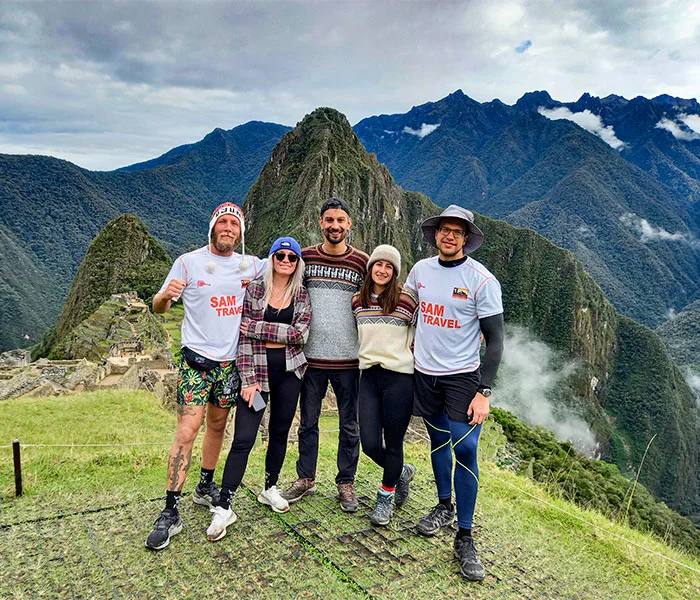
Yet travelers who reach the citadel after completing a multi-day route such as the Salkantay Trek frequently describe the experience in noticeably different terms. The reaction is often quieter, more reflective, and less centered on the idea of having simply “arrived.”
The distinction does not come from the site changing. It comes from how the journey reshapes perception before arrival even occurs.
Visiting vs Arriving: Two Modes of Travel
Modern travel prioritizes efficiency. Flights, trains, and road access compress geographic distance, allowing travelers to move quickly between major destinations.
In this model, Machu Picchu functions primarily as a place to visit.
Trekking introduces a different mode of travel altogether. Movement happens gradually, step by step, across terrain that connects valleys, mountain passes, and ecosystems over several days. Distance becomes something experienced physically rather than bypassed logistically.
As a result, arrival feels less like reaching an attraction and more like completing a transition through the Andes.
The Role of Gradual Approach
Approach strongly influences perception.
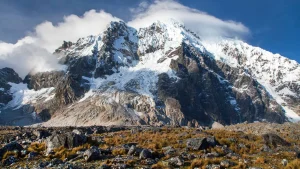
During a trek, travelers progress through changing environments: high alpine landscapes beneath glaciated peaks, exposed mountain passes, and eventually the warmer vegetation of the cloud forest. Each day subtly shifts altitude, climate, and scenery.
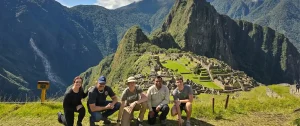
By the time Machu Picchu is reached, the surrounding geography already feels familiar. The site emerges as part of a continuous landscape rather than an isolated highlight encountered suddenly.
Gradual approach builds spatial understanding. The destination gains depth because the terrain leading to it has been experienced firsthand.
Context Changes Meaning
Seen in isolation, Machu Picchu can appear almost improbable, an architectural achievement seemingly detached from its environment.
After days moving through the mountains, however, travelers begin to understand the broader Andean system that made such settlements possible. Elevation, water sources, agricultural terraces, and strategic positioning stop being abstract concepts.
The ruins are no longer perceived only as historical structures. They become a logical extension of the surrounding terrain.
Context transforms observation into comprehension.
Effort and Perceived Value
Human perception consistently links effort with meaning. Experiences requiring sustained commitment tend to register more strongly in memory and emotional evaluation.
Multi-day trekking introduces anticipation, uncertainty, physical exertion, and progression toward a defined objective. Each stage contributes incrementally to expectation.
When arrival finally occurs, Machu Picchu represents resolution rather than discovery. The experience feels earned, not because access must be difficult, but because effort alters how outcomes are valued.
Sensory Reset After Days in the Mountains
Extended time in mountain environments subtly recalibrates attention.
During a trek, daily life simplifies:
- limited digital connectivity
- reduced urban noise
- natural light cycles
- consistent physical activity
Without constant external stimulation, awareness often becomes more focused. Landscapes are observed more carefully, and environmental details register more clearly.
Upon arrival at Machu Picchu, this heightened attention can make colors, scale, and atmosphere feel unusually vivid. Not because the site has changed, but because perception has adjusted.
Narrative Completion: Why the Site Feels Like an Ending
For many trekkers, Machu Picchu does not function as the beginning of exploration but as the final chapter of an ongoing journey.
Days of movement create narrative structure:
departure, progression, challenge, adaptation, and arrival.
The citadel becomes symbolic confirmation of distance traveled rather than a standalone objective. This sense of completion often explains why the experience feels calmer and more reflective compared to immediate visitation.
The destination concludes a story already in motion.
Experience Comparison Matrix
| Experience Factor | Direct Visit | Arrival After a Trek |
| Travel rhythm | Immediate access | Gradual progression |
| Physical investment | Minimal | Sustained effort |
| Landscape understanding | Limited context | Environmental continuity |
| Emotional pacing | Instant highlight | Culmination of journey |
| Memory formation | Landmark visit | Process-driven experience |
Why Arrival Method Matters When Planning Peru
Choosing how to reach Machu Picchu influences more than logistics. It shapes how the experience is remembered long after the trip ends.
Some travelers prioritize efficiency, comfort, or limited time. Approaches that remain entirely valid. Others seek immersion and progression, allowing the journey itself to redefine the destination.
Neither method changes Machu Picchu. What changes is the perspective carried into it.
Machu Picchu Remains the Same — The Traveler Does Not
The enduring impact many trekkers describe after reaching Machu Picchu is not created by altitude, remoteness, or access route alone.
It emerges from transformation accumulated along the way.
After several days moving through the Andes, arrival becomes less about seeing Machu Picchu for the first time and more about understanding its place within a landscape already experienced step by step. The destination remains unchanged, but the traveler encountering it has evolved through the journey.