4 Iconic Archaeological Sites in Cusco (Beyond Machu Picchu) — Part 2
Understanding the System Behind the Sites
If the first set of sites reflects scale and urban planning, this second group reveals something different: how the Inca system functioned in practice.
These are not citadels. They are purpose-built environments, each designed to solve a specific challenge: water management, agricultural adaptation, religious expression, or territorial control.
Together, they provide a more technical perspective on the Inca world. Less monumental in appearance, but equally important in understanding how the system sustained itself.
What Makes These Sites Distinct
This group shares a different set of characteristics:
- Functional specialization: each site is built around a primary purpose
- Technical precision: engineering and design are central
- Focused layouts: less urban spread, more controlled environments
- Interpretive value: understanding the “why” is key to the experience
These are sites where observation alone is not enough. Their value comes from reading the design.
Quick Comparison, Function and Experience
| Site | Primary Function | Access Difficulty | Time Needed | Key Strength |
| Tipón | Hydraulic system | Easy | Half day | Water engineering |
| Raqchi | Religious complex | Moderate | Half–full day | Temple scale + uniqueness |
| Moray | Agricultural research | Easy | Half day | Microclimate experimentation |
| Sacsayhuamán | Ceremonial/defensive | Easy | Half day | Monumental stonework |
The distinction here is clear: these sites are less about exploration and more about understanding systems and processes.
Tipón: Precision Water Engineering
Tipón is one of the clearest examples of Inca hydraulic control. Its network of terraces and channels distributes water with a level of precision that remains functional today.
The design is intentional. Flow rates are regulated, transitions are controlled, and the system adapts to the natural slope without erosion or loss of efficiency.
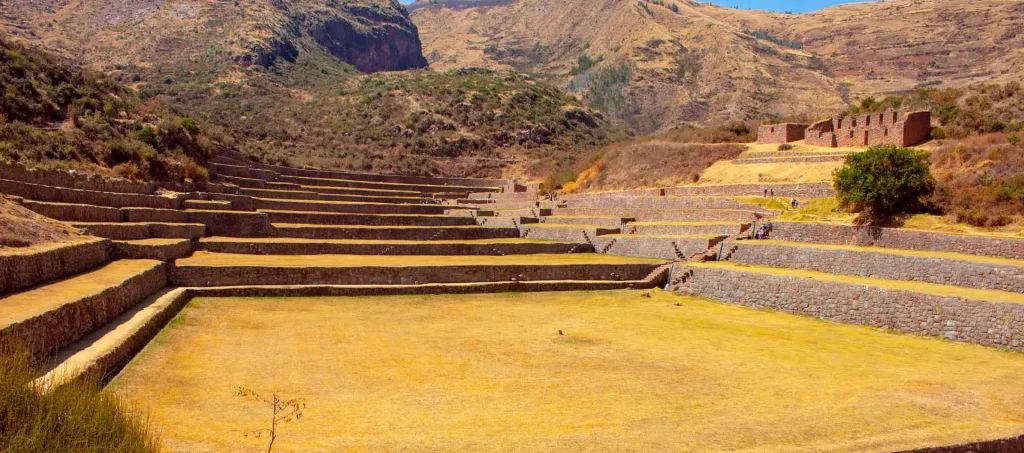
This is not decorative. It reflects a broader capacity to manage water as a structured resource, critical in a region defined by seasonal variation.
Raqchi: The Temple of Wiracocha
Raqchi stands out due to its architectural departure from typical Inca stonework. The central structure, associated with the creator god Wiracocha, features massive adobe walls supported by a stone base.
The scale is significant. This was not a local shrine, but a major religious complex, integrated into a broader settlement with storage facilities and infrastructure.
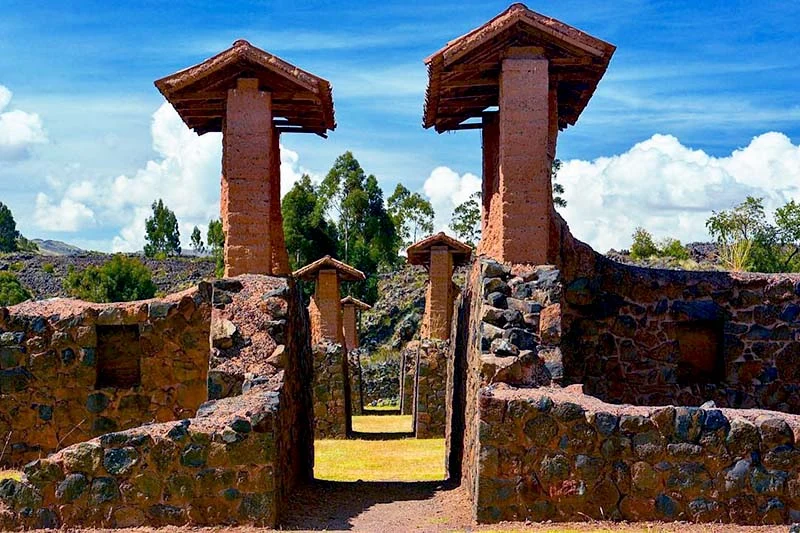
Its importance lies in specialization. While many sites combine functions, Raqchi is clearly oriented toward ceremonial activity at scale.
Moray: Agricultural Experimentation at Altitude
Moray presents a controlled environment built for experimentation. Its circular terraces create distinct microclimates, with temperature variations between levels that allow for crop testing under different conditions.
This is a deliberate system. The Incas were not only adapting to the Andes, they were actively testing and optimizing agricultural output across elevations.
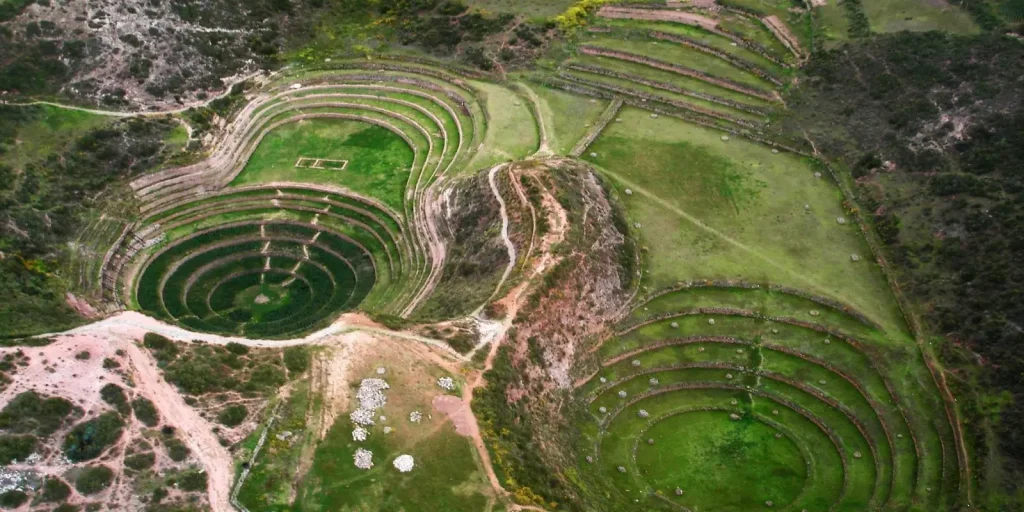
Moray’s value lies in its concept. It demonstrates an approach based on observation, iteration, and environmental control.
Sacsayhuamán: Monumentality and Control
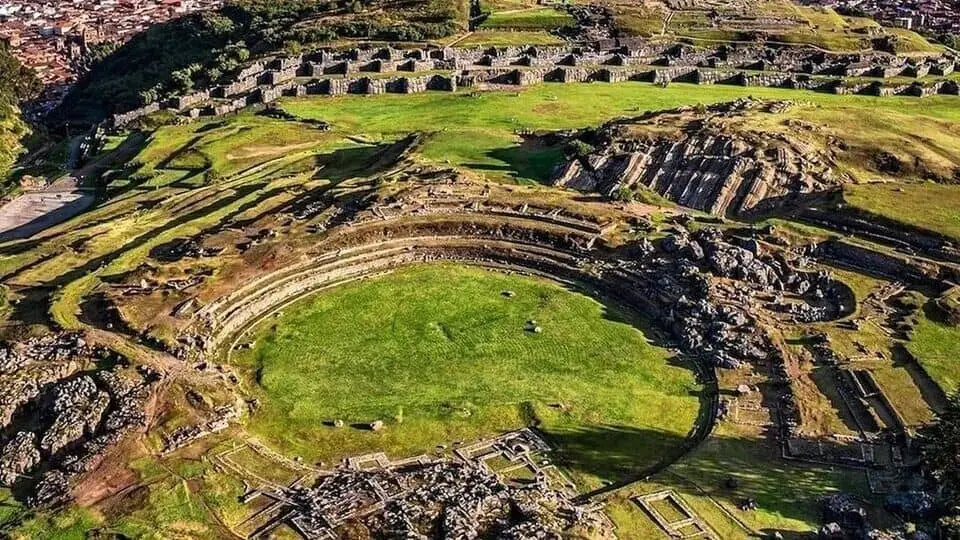
Located above Cusco, Sacsayhuamán combines ceremonial and defensive roles within a single structure. Its defining feature is scale, massive stone blocks fitted with precision that remains difficult to replicate.
The layout suggests layered use: open ceremonial spaces combined with strategic positioning over the city.
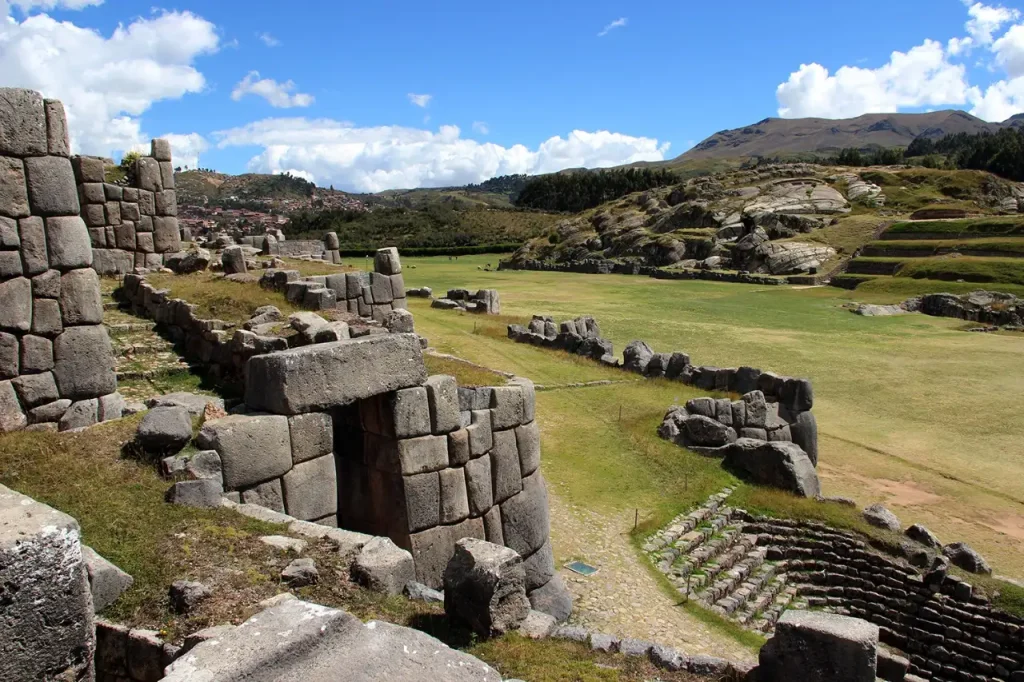
Its proximity to Cusco makes it accessible, but its significance is not reduced by this. Sacsayhuamán represents the upper limit of Inca construction capability, both in logistics and execution.
Reading the System, Which Site Aligns With Your Interest
Each site reflects a different dimension of the Inca system:
- For engineering and water management → Tipón
- For religious structure and scale → Raqchi
- For agricultural innovation → Moray
- For construction and territorial control → Sacsayhuamán
The choice here is not about intensity, but about which aspect of the system you want to understand.
Positioning the Experience
These sites are often visited as part of day trips from Cusco or the Sacred Valley. This makes them accessible, but also introduces fragmentation: short visits, limited context, and minimal continuity.
Structuring the journey differently, connecting these sites within a broader itinerary, allows for a more coherent understanding of how they relate to one another.
Within that context, comfort becomes functional. Well-positioned stays, such as Sky Domes, support recovery, altitude management, and continuity, particularly when these visits are integrated into multi-day routes.
Completing the Picture of Cusco
Together with Part 1, featuring Choquequirao, Ollantaytambo, Pisac, and Vilcabamba. These sites complete a broader framework.
They shift the focus from destinations to systems. From isolated landmarks to interconnected functions across the landscape.
Seen together, they move beyond the idea of “alternatives” to Machu Picchu. Instead, they position Cusco as a region where each site contributes to a coherent, highly adaptive civilization.

Related Articles
The Case for Domes in High-Altitude Trekking
Salkantay Trek Forums & Events