The Sacred Valley Travel Guide: Key Sites, Routes, and a Faster Way to Experience It
Understanding the Sacred Valley as a System
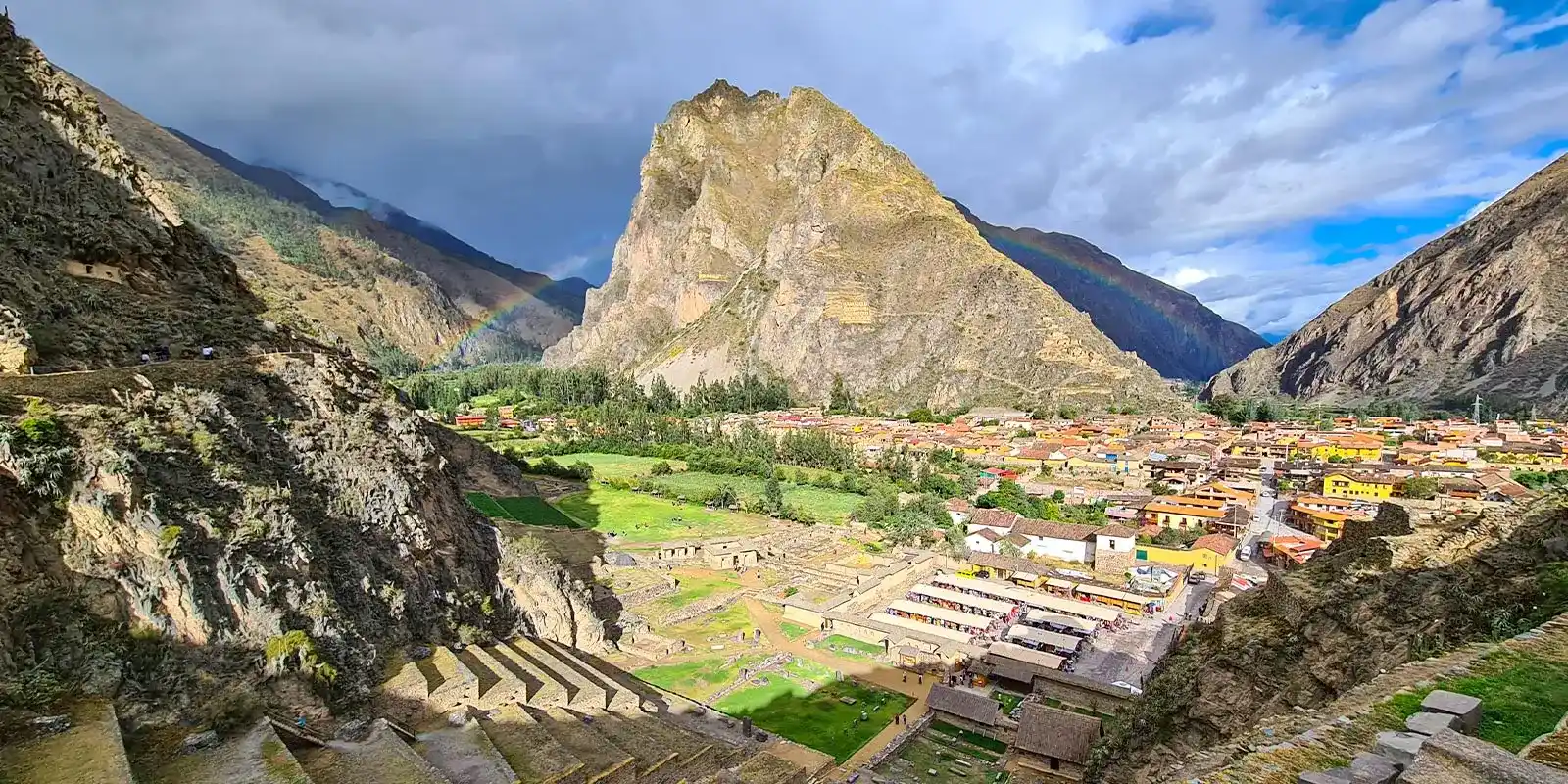
The Sacred Valley is not a single destination. It is a corridor that connects Cusco to Ollantaytambo, structured around the Urubamba River and defined by agricultural productivity, climate variation, and strategic positioning within the Inca Empire.
For the Incas, this was not a scenic detour, it was a functional landscape. Terraces, experimental farming systems, and administrative centers were distributed across the valley to optimize food production and control movement toward Machu Picchu.
Modern travel tends to fragment this system into isolated stops. The challenge is not access, it is how to experience the valley without reducing it to short, disconnected visits.
The Core Sites of the Sacred Valley
Understanding the Sacred Valley requires looking at how each location contributes to the whole.
Pisac
Pisac operates as the eastern gateway to the valley. Its terraces and hilltop structures demonstrate large-scale agricultural engineering, while the town below integrates a strong commercial layer through its markets.
Lamay
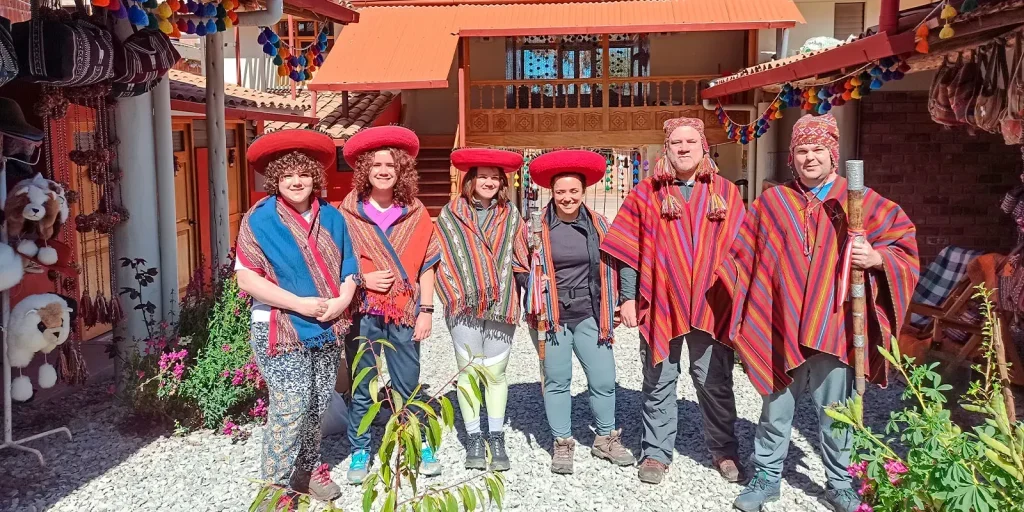
Lamay is not structured for mass tourism, which is precisely its value. It functions as an entry point into specialized and immersive experiences.
Here, travelers can access:
- Mountain biking routes through rural terrain
- River-based activities like fishing
- Hiking trails connecting smaller communities
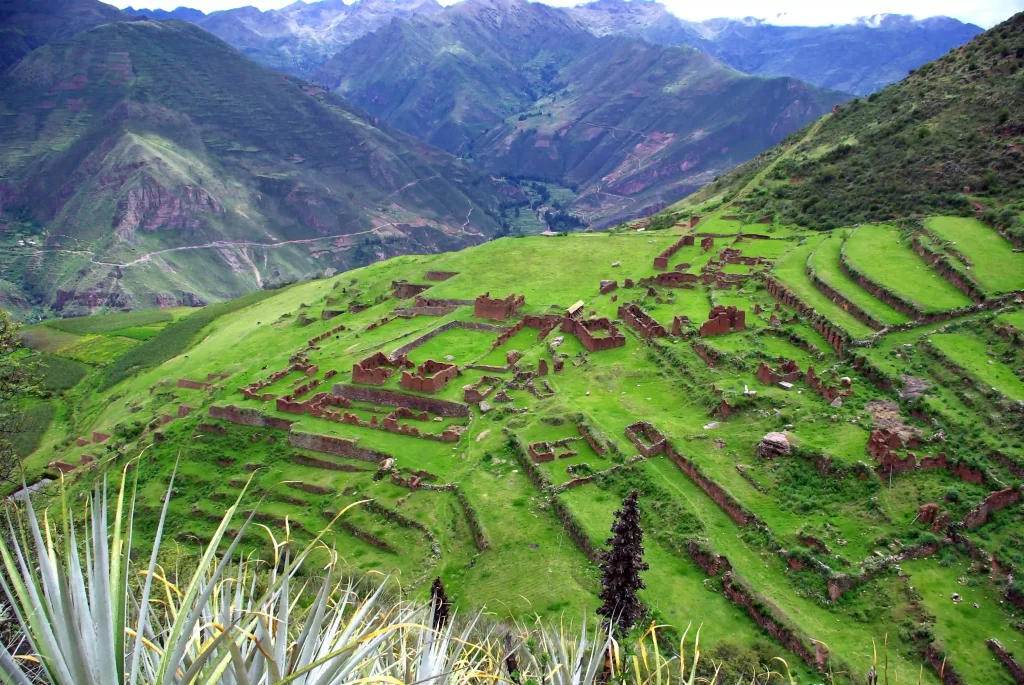
It is also one of the few places in the valley where immersive tourism is accessible, through homestays and volunteering initiatives that connect directly with local households.
Calca
Calca plays a similar role, but at a larger scale. It is an agricultural hub with access to surrounding highland environments.
Experiences here include:
- Extended hiking routes into less-traveled valleys
- Mountain biking across mixed terrain
- Cultural immersion through community-based tourism
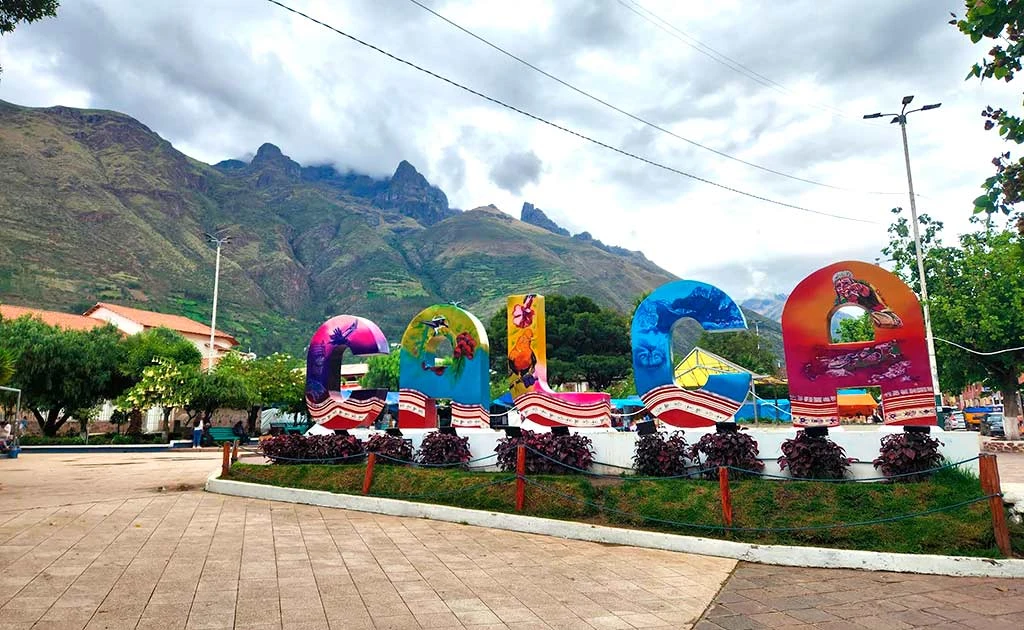
Like Lamay, Calca shifts the focus from observation to participation in local life.
Urubamba
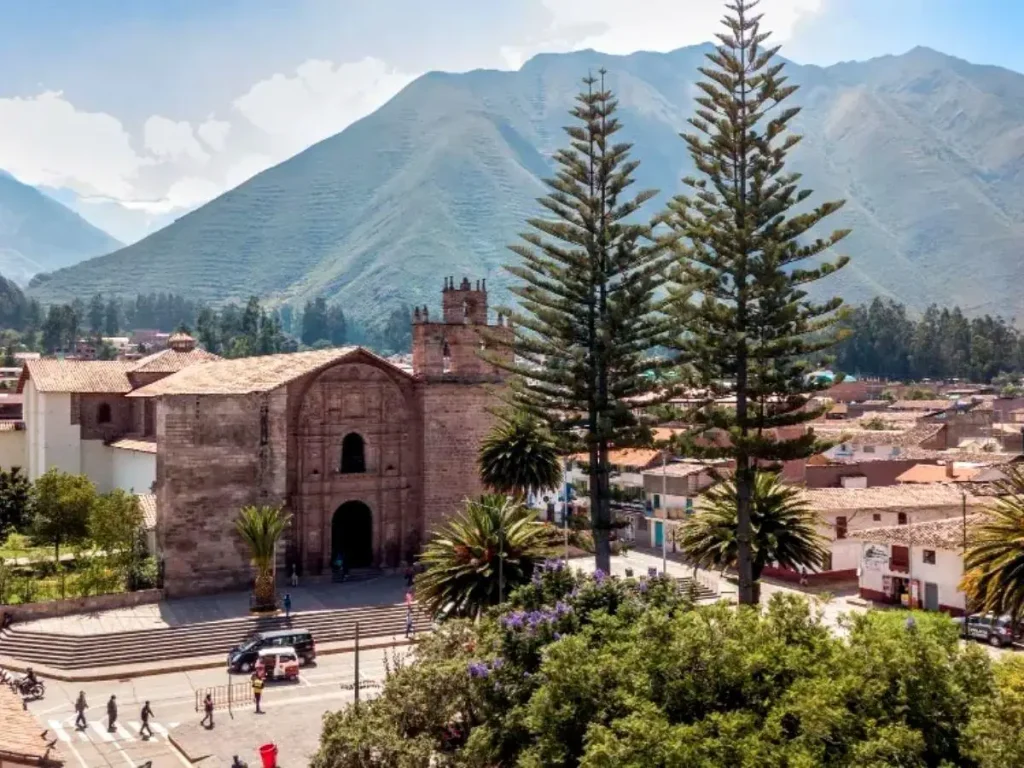
Urubamba is the logistical center of the Sacred Valley. It concentrates hotels, restaurants, and transport connections.
It is not defined by a single landmark, but by its role in structuring movement across the valley.
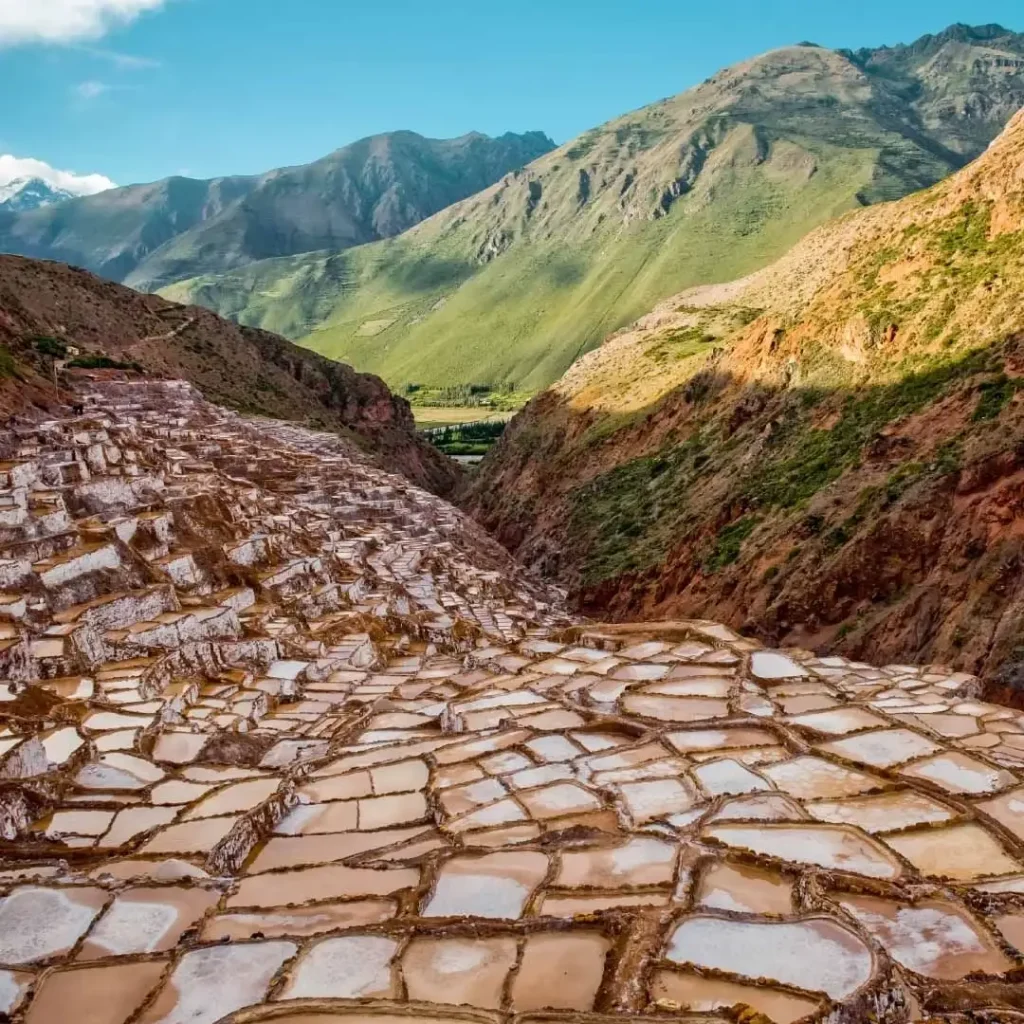
Maras
Maras introduces a different layer, colonial influence combined with proximity to one of the valley’s most distinct production systems.
It serves as the access point to the salt mines and marks the transition between high-altitude plains and the valley floor.
Moray
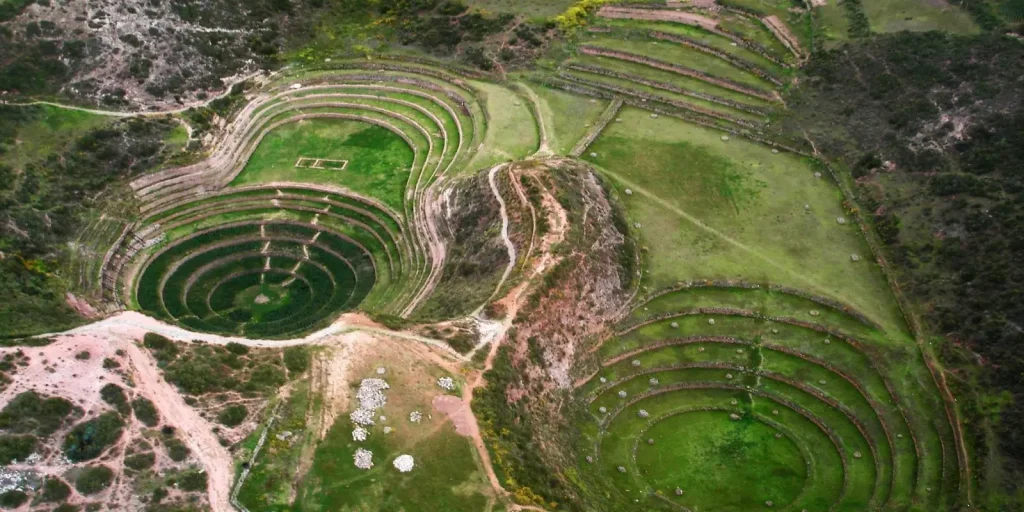
Moray is one of the most conceptually important Inca sites. Its circular terraces functioned as an agricultural laboratory, creating microclimates to test crop adaptation.
It is less about visual scale and more about technical sophistication.
Ollantaytambo
Ollantaytambo combines multiple roles:
- Fortress
- Ceremonial center
- Living Inca town
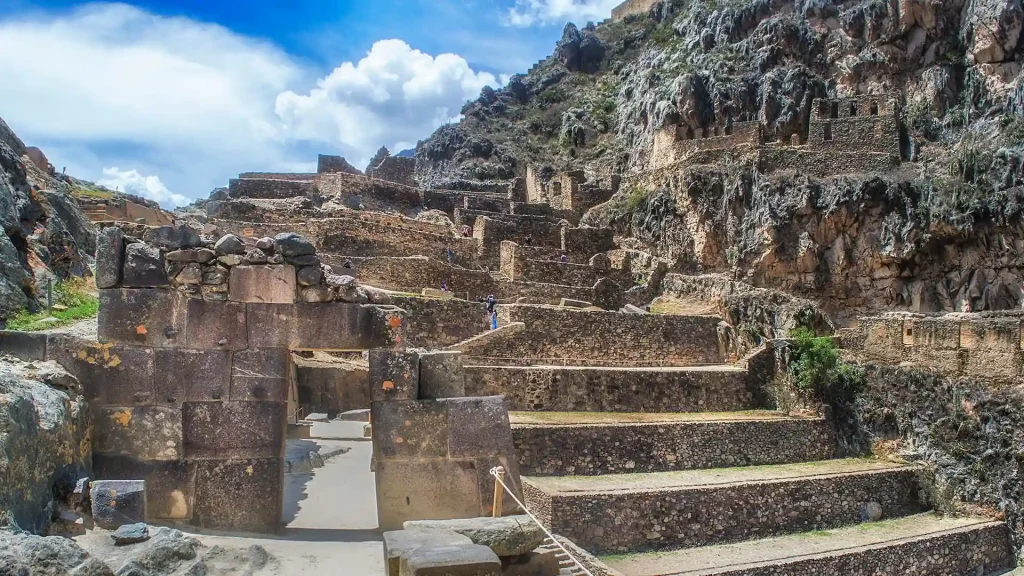
It is also the main gateway to Machu Picchu, making it both a destination and a transit point.
Chinchero
Chinchero operates at higher altitude and preserves strong cultural continuity. It is known for:
- Traditional weaving techniques
- Agricultural terraces still in use
- A quieter, less commercial environment
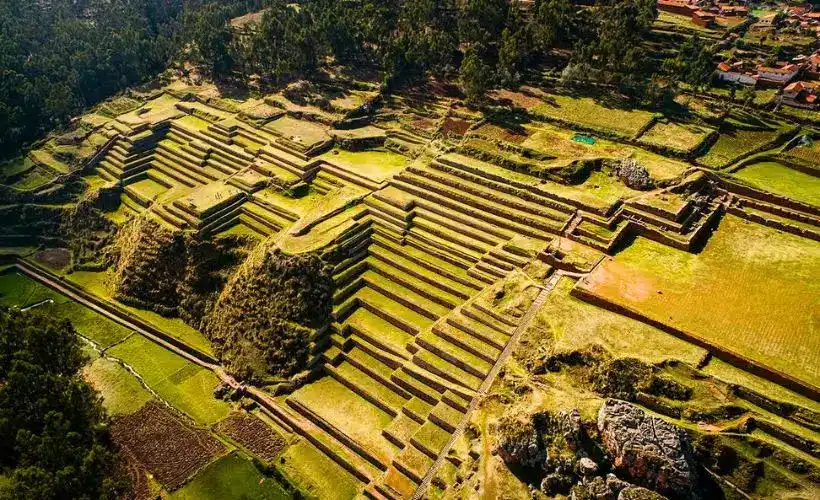
It represents the intersection of past and present in the valley.
The Limitation of Traditional Sacred Valley Tours
Most Sacred Valley tours follow a fixed structure:
- Bus-based transport
- Short stops at multiple المواقع
- Limited flexibility
This approach prioritizes coverage, but reduces depth. Movement becomes passive, and the valley is experienced as a sequence rather than a system.
The result is efficient, but surface-level.
A Different Approach: Exploring the Sacred Valley by ATV
An alternative is to shift from passive transport to active mobility.
ATV-based exploration changes three key variables:
- Access → ability to move through varied terrain
- Pacing → less dependency on rigid schedules
- Engagement → direct interaction with the landscape
Instead of observing the valley from designated stops, travelers move through it.
Sample Itinerary: Sacred Valley ATV Tour (Pisac, Moray, Maras, Ollantaytambo)
This route is structured to combine cultural landmarks with agricultural systems, while optimizing movement across terrain.
Route Overview
Cusco → Pisac → ATV segment → Moray → Maras → Ollantaytambo
Stop 1: Pisac
The entry point into the valley. The visit focuses on terraces and viewpoints, providing context for how the valley was structured.
ATV Segment Begins
From this point, the experience shifts. Movement continues via ATV through rural paths, open fields, and transitional terrain between highlands and valley floor.
This segment is what defines the experience.
Stop 2: Moray
Exploration of circular terraces used for agricultural experimentation. The site introduces the technical depth behind Inca farming systems.
Stop 3: Maras Salt Mines
A working production system composed of thousands of salt pools. The contrast with Moray highlights the diversity of resource management in the region.
Stop 4: Ollantaytambo
The route concludes at one of the most structurally complete Inca towns. From here, travelers can either explore further or continue toward Machu Picchu.
Why This Route Works
- Covers multiple ecological zones
- Combines archaeology, agriculture, and living culture
- Maintains efficiency without compressing the experience
ATV vs Traditional Tour
| Factor | Traditional Tour | ATV Experience |
|---|---|---|
| Mobility | Fixed | Flexible |
| Engagement | Passive | Active |
| Terrain Access | Limited | Expanded |
| Time Efficiency | Moderate | High |
| Experience Depth | Surface-level | Immersive |
Who This Approach Is Best For
- Travelers with limited time who want broad coverage
- Those who prefer active experiences over passive sightseeing
- Visitors looking to understand the valley as a connected landscape
Practical Considerations
- No prior ATV experience required (guided tours)
- Safety equipment is provided
- Weather conditions can affect terrain
- Best done after initial acclimatization in Cusco
Positioning the Sacred Valley Within a Larger Itinerary
The Sacred Valley works best when integrated, not rushed.
It can function as:
- A prelude to Machu Picchu
- A transition into trekking routes
- A standalone exploration segment
Within a broader itinerary, structured pacing and reliable accommodations, such as Sky Domes, help maintain continuity, especially when moving between highland and valley environments.
Rethinking the Sacred Valley Experience
The Sacred Valley is often treated as a stop on the way to Machu Picchu. In practice, it is a complete system with its own depth and complexity.
The deciding factor is not whether to visit, but how to move through it.
For travelers looking to maximize both coverage and engagement, ATV-based routes offer a more effective way to experience the valley as it was designed: connected, dynamic, and active.