Huayna Picchu Mountain: The Ultimate Guide (2026)
The Most Misunderstood Experience in Machu Picchu
Huayna Picchu is not just the mountain in the background of every photo.
It’s a controlled, limited-access climb that fundamentally changes how you experience Machu Picchu.
In 2027, this is no longer an optional add-on. It’s a specific version of the visit, tied to strict permits, defined routes, and a completely different perspective of the citadel.
Most travelers focus on the summit.
The real value is the shift in scale, angle, and intensity.
What Huayna Picchu Actually Is?
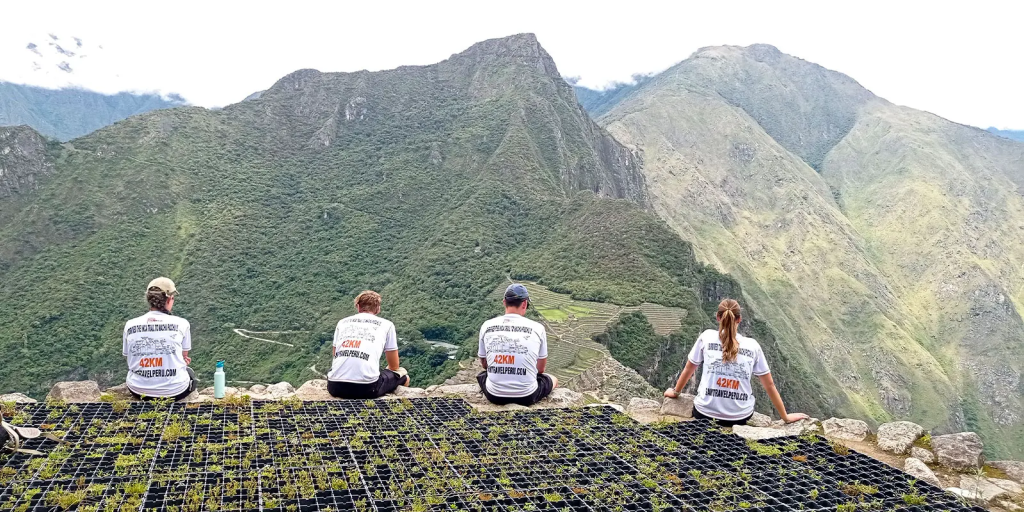
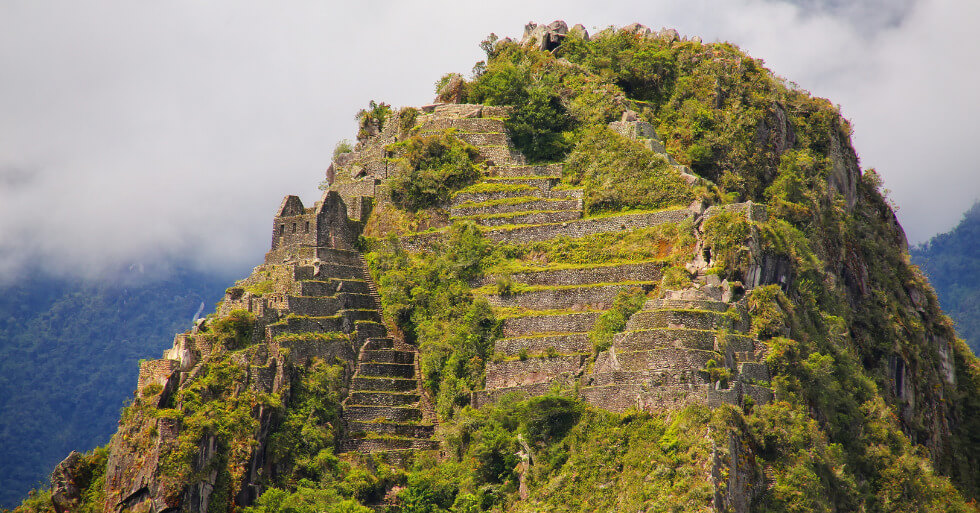
Huayna Picchu rises directly behind Machu Picchu, reaching roughly 2,700 meters above sea level, about 300 meters above the citadel. But its importance is not altitude, it’s proximity and verticality.
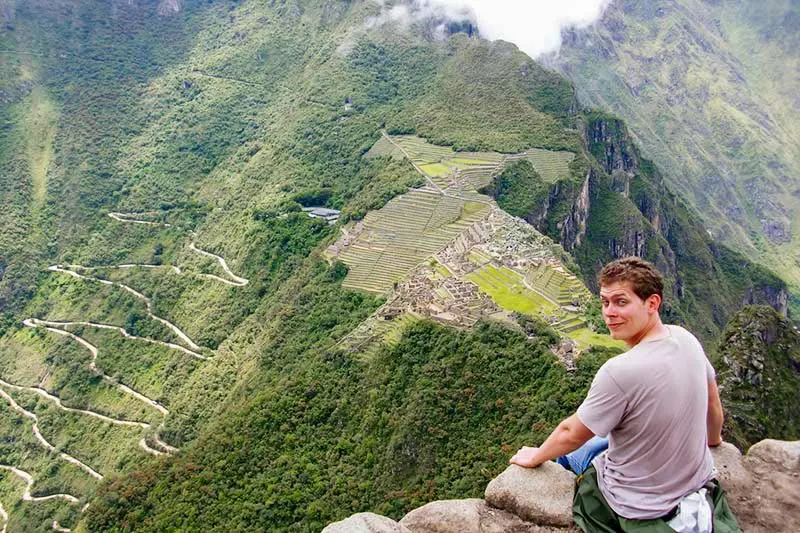
The trail follows original Inca stone paths, cutting through dense vegetation and steep ridgelines. Unlike broader viewpoints, this climb gives you a compressed, almost vertical reading of the site, where terraces, temples, and pathways stack beneath you in tight alignment.
How Access Works in 2026
This is where most trips are misplanned.
Huayna Picchu is only accessible through Circuit 3-A, meaning your entire Machu Picchu visit is structured around this decision.
- Limited daily permits (high demand, fast sell-out)
- Fixed entry time slots
- No flexibility once booked
- One-way circuit with no overlap into other routes
You are not adding a hike to your visit, you are choosing a restricted format of Machu Picchu.
The Hike: Short, Steep, and Relentless
Huayna Picchu is not long, but it is consistently demanding.
- Approx. 1.5 to 2 hours round trip
- Continuous ascent on uneven Inca stairs
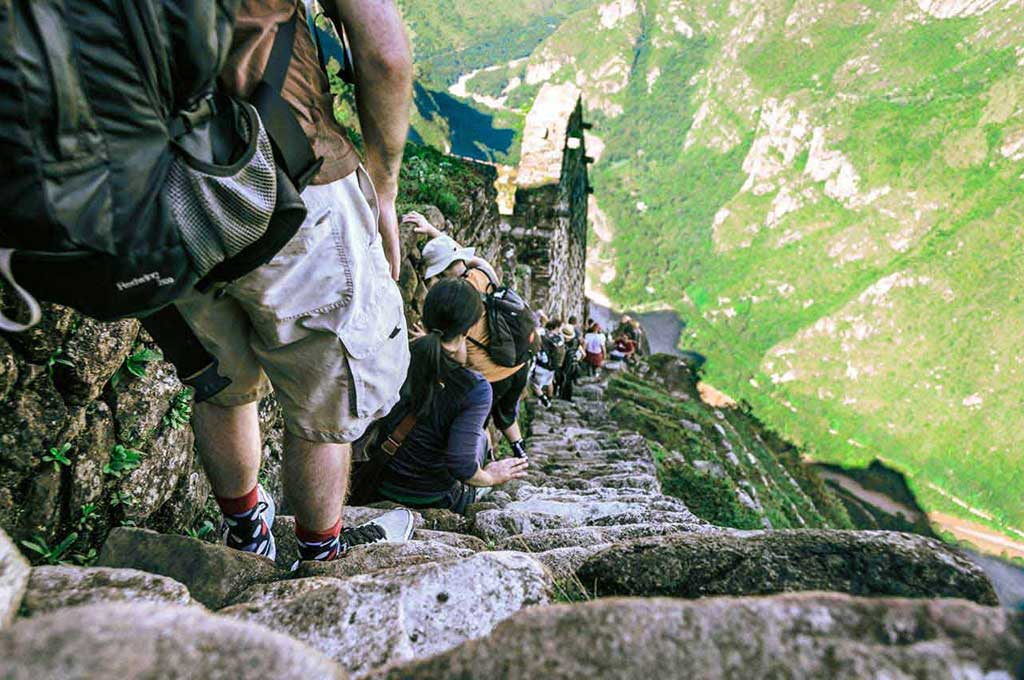
- Steep inclines, narrow passages, and exposed sections
The climb builds quickly:
- Lower section: humid, enclosed, almost jungle-like
- Mid-section: steep stone staircases with little recovery
- Final section: narrow ridgelines and near-vertical steps
The so-called “Stairs of Death” are not technical, but they are exposed and mentally demanding.
Difficulty: It’s Not About Fitness Alone
Huayna Picchu filters travelers differently than most hikes.
Well-suited for:
- Active travelers comfortable with steep ascents
- Those with good balance and confidence on uneven terrain
- Anyone seeking a short, high-impact challenge
Not ideal for:
- Fear of heights or exposure
- Knee sensitivity on steep descents
- Travelers expecting a controlled or relaxed pace
Fitness helps, but the real factor is comfort with exposure and vertical terrain.
Is It Worth It?
Only if you understand what you’re getting. Most travelers assume Huayna Picchu offers the classic Machu Picchu photo. It doesn’t. That view comes from the upper terraces (Circuit 1 or 2).
From Huayna Picchu, the perspective is tighter, steeper, and more dramatic, but less iconic.
So what do you actually gain?
- A top-down, architectural understanding of the site
- A sense of scale that’s impossible from below
- A more personal, less staged interaction with the landscape
Huayna Picchu vs Other Mountain Options
Choosing a mountain is choosing the type of effort, and the type of reward.
Huayna Picchu
- Short, steep, intense
- Close, dramatic perspectives
- Highest emotional impact
Machu Picchu Mountain
- Longer, more gradual
- Wide panoramic views
- Physically demanding, but less technical
Huchuy Picchu
- Short and accessible
- Limited elevation gain
- Lower overall payoff
Clear takeaway:
Huayna Picchu is the most intense and vertical option. Not the most scenic, the most immersive.
Timing Strategy: What Actually Matters
Time slots are fixed, but the real variable is flow, not light.
- Early entries: cooler, fewer people on narrow sections
- Mid-morning: better visibility, more congestion
- Rainy season: humid, slippery, but more atmospheric
The difference is not dramatic in photos. It’s noticeable on the trail, especially in exposed sections where passing others becomes part of the experience.
How to Integrate It Into Your Trip
This is where most itineraries fall short.
Train-Based Visits
- Efficient, but compressed
- Limited physical preparation
- Less margin for recovery before or after the climb
Trek-Based Arrivals (Salkantay, etc.)
- Better acclimatization
- Body already adapted to elevation and effort
- Stronger contrast between journey and final ascent
Strategic insight:
Huayna Picchu performs best as a final effort, not a standalone activity.
When integrated into a multi-day route, especially something like Salkantay, it becomes a natural peak moment, not an isolated challenge.
What to Bring (Keep It Minimal)
Restrictions are strict, and excess weight works against you.
- Light daypack (small, compliant size)
- Good grip footwear
- Water and sun protection
- No trekking poles inside the circuit
This is a climb where mobility matters more than gear.
Final Take: Should You Climb Huayna Picchu?
Not everyone should, and that’s exactly the point.
If your goal is the classic view, or comfort, skip it.
If your goal is depth, intensity, and perspective, this is the strongest add-on inside Machu Picchu.
Huayna Picchu doesn’t make the visit better. It makes it different, and for the right traveler, that difference is the entire reason to do it.