Machu Picchu Mountain: The Ultimate Guide (2026)
The Quiet Alternative That Changes Everything
Machu Picchu Mountain is often overlooked, and that’s exactly why it works.
While most travelers focus on Huayna Picchu, this is the higher, longer, and more complete climb inside the sanctuary. It doesn’t compete for attention. It delivers something different: space, perspective, and progression.
In 2026, where access is structured and time inside the site is limited, this becomes one of the most strategic upgrades you can make to your visit.
What Machu Picchu Mountain Actually Is
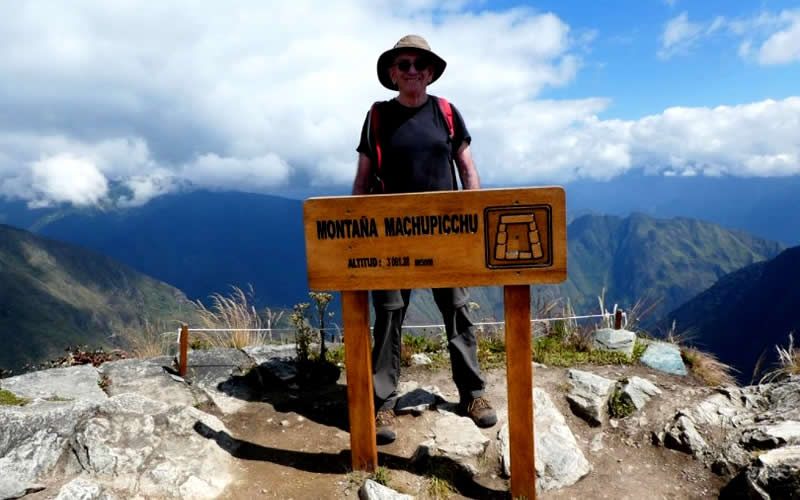
Machu Picchu Mountain (Montaña) rises to approximately 3,082 meters, making it the highest accessible peak within the archaeological site.
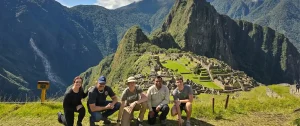
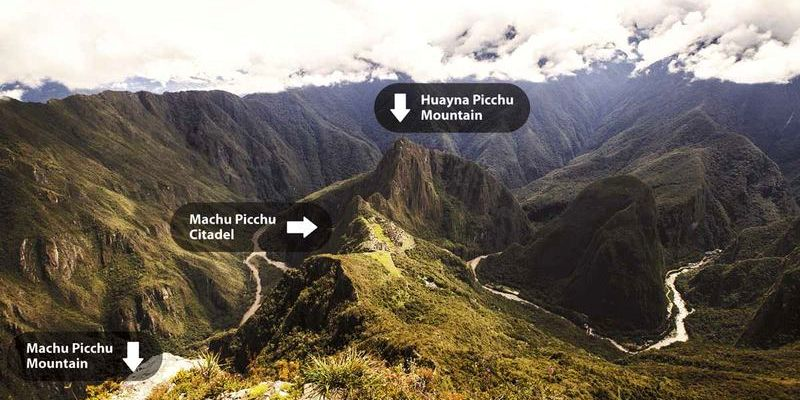
It sits opposite Huayna Picchu, overlooking the entire citadel from a wider, more distant angle.
The difference is immediate:
- Huayna Picchu = proximity and intensity
- Machu Picchu Mountain = scale and distance
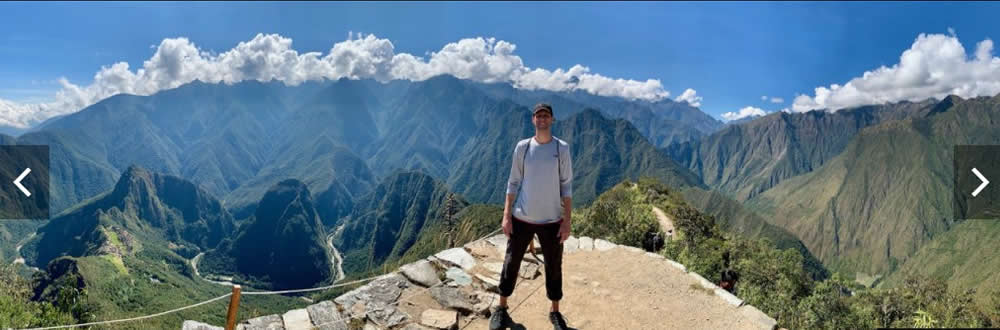
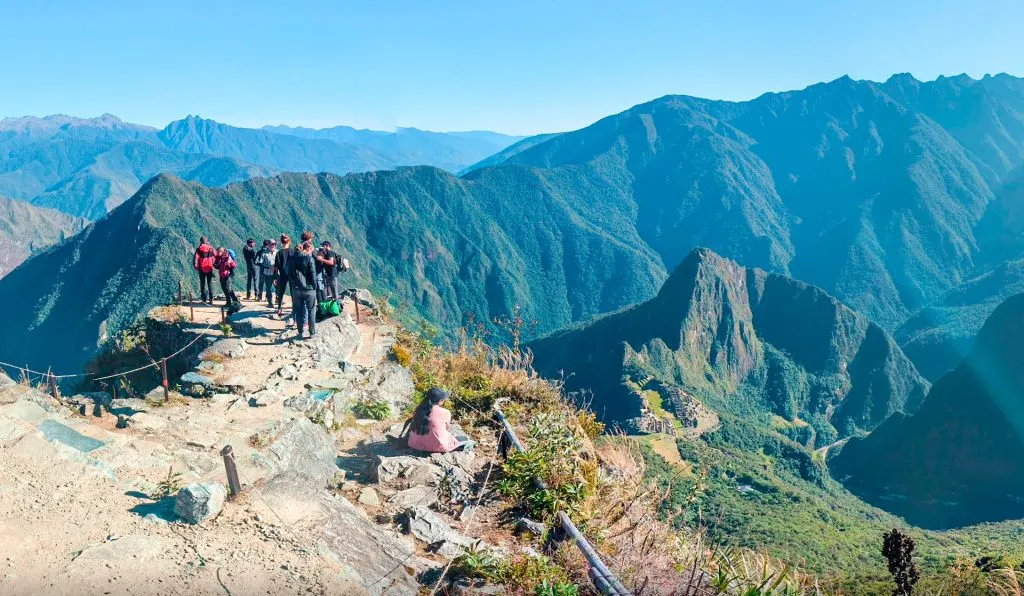
From the summit, the view opens in every direction: citadel, river, cloud forest, and surrounding peaks, creating a far more panoramic reading of the landscape.
How Access Works in 2026
This is not an add-on. It’s a specific circuit decision.
- Access requires Circuit 1-A (Panoramic + Mountain)
- Limited daily permits (300 per day, split into time slots)
- Fixed entry windows
- No access to the full lower citadel (unlike Circuit 2)
Choosing this hike means committing to a viewpoint-first version of Machu Picchu.
The Hike: Long, Steady, and Exposed to the Elements
This is a different type of effort.
- 3–4 hours round trip
- 4 km total distance
- 600+ meters of elevation gain
- 1,600 stone steps
The climb builds progressively:
- Lower section: gradual incline through cloud forest
- Mid-section: sustained uphill, minimal flat recovery
- Upper section: steeper switchbacks and exposed ridgeline
There are no technical sections like Huayna Picchu.
Difficulty: Endurance Over Exposure
Machu Picchu Mountain is often described as “easier” than Huayna Picchu. That’s misleading.
It is:
- Less technical
- Less exposed
But:
- Longer
- Higher
- More physically demanding overall
Well-suited for:
- Travelers with solid walking endurance
- Those who prefer steady climbs over steep drops
- People comfortable pacing effort over time
Not ideal for:
- Low stamina or poor acclimatization
- Travelers short on time or energy
- Those expecting a quick add-on experience
Key insight:
This hike doesn’t challenge your nerves. It challenges your consistency.
Is It Worth It?
Only if you value perspective over intensity.
What most people expect:
- A more extreme version of Huayna Picchu
What it actually delivers:
- A wider, calmer, more complete view of the entire region
From the summit:
- Machu Picchu looks smaller, but more understandable
- The Urubamba River becomes part of the composition
- The surrounding mountains stop being background and become context
Machu Picchu Mountain vs Huayna Picchu
This is the real decision point.
Machu Picchu Mountain
- Longer, steady climb
- Wide panoramic views
- Lower technical risk
- Higher physical demand
Huayna Picchu
- Short, steep, intense
- Close, dramatic angles
- Higher exposure
- Lower total duration
Clear distinction:
→ Huayna Picchu is about intensity
→ Machu Picchu Mountain is about scale
Timing Strategy: Effort vs Conditions
Time slots matter less for light, and more for energy management.
- Early entry: cooler, more stable pacing
- Mid-morning: warmer, more fatigue buildup
- Rainy season: slippery steps, lower visibility
Because this is a longer climb, heat and hydration matter more than crowd flow.
How to Integrate It Into Your Trip
This is where most travelers get it wrong.
Train-Based Visits
- Limited preparation
- You arrive “cold” into a long climb
- Fatigue hits earlier
Trek-Based Arrivals (Salkantay, Inca Trail.)
- Body already adapted to effort and altitude
- Better pacing control
- Stronger mental baseline
Strategic positioning:
Machu Picchu Mountain works best when your trip already includes progressive effort.
What to Bring (Efficiency Matters)
Because of the duration, small mistakes compound.
- Light backpack
- Consistent hydration
- Sun protection (exposure increases with altitude)
- Good footwear with grip
This is a hike where efficiency defines comfort.
Final Take: Should You Climb Machu Picchu Mountain?
Not if you’re looking for the highlight moment. Yes if you’re building a complete experience.
- If you want intensity → Huayna Picchu
- If you want efficiency → skip both
- If you want perspective → this is the strongest option