Short Inca Trail to Machu Picchu: The Smartest Way to Experience the Andes (2026)
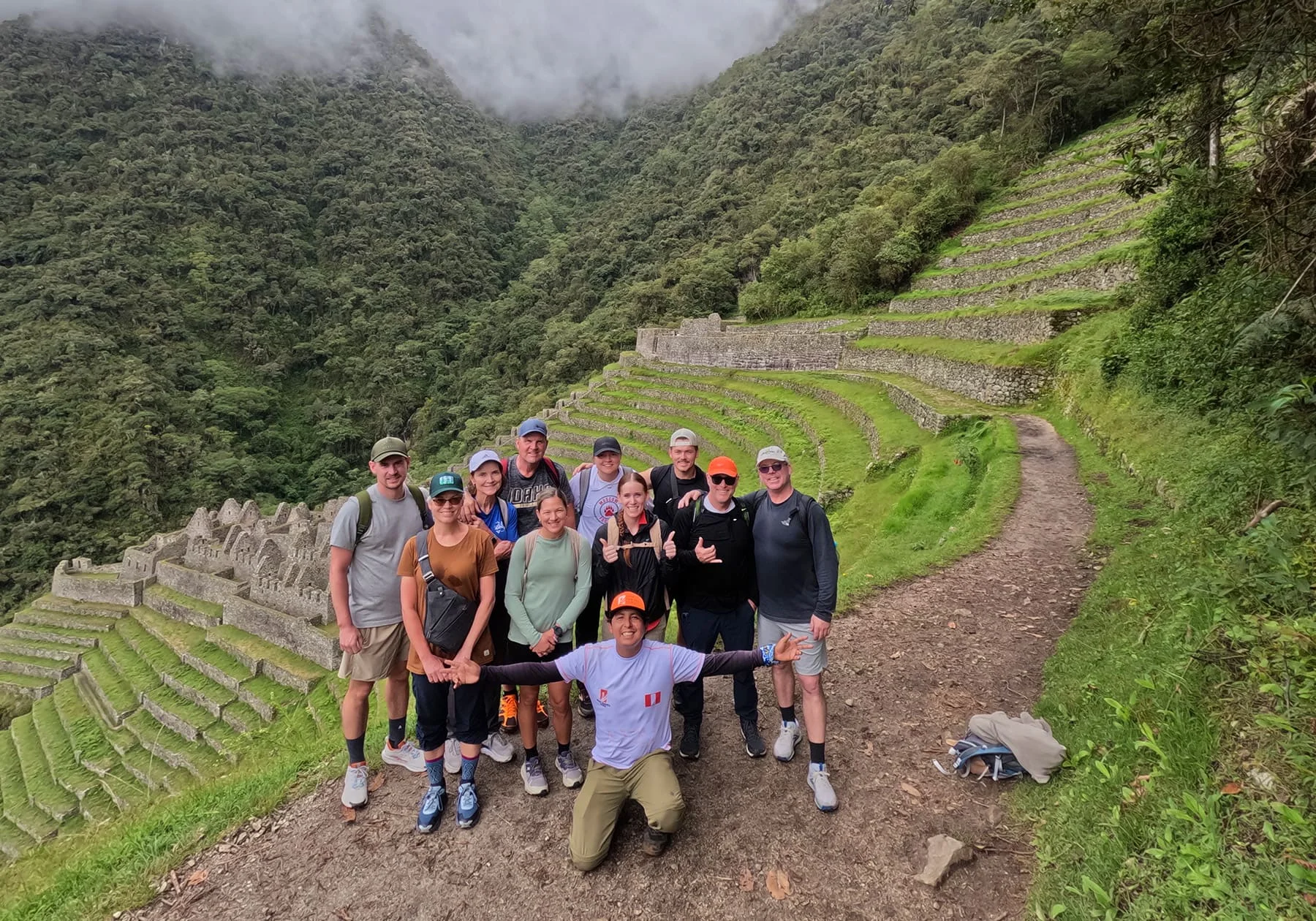
The Fastest Way to Feel the Inca Trail, Without Committing to It
The Short Inca Trail is often positioned as a lighter alternative. That framing misses the point.
This is not a reduced version of the Inca Trail. It’s a compressed experience designed for efficiency, delivering a real sense of progression, a controlled entry into Machu Picchu, and just enough challenge to make it meaningful.
In 2026, where time, permits, and logistics define most trips, this route has become one of the most strategic ways to access the Andes.
What the Short Inca Trail Actually Is?
This is a 2-day, 1-night experience built around a single hiking day.
- Train from Cusco or Ollantaytambo to Km 104
- Hike approximately 10–12 km along original Inca paths
- Pass archaeological sites along the route
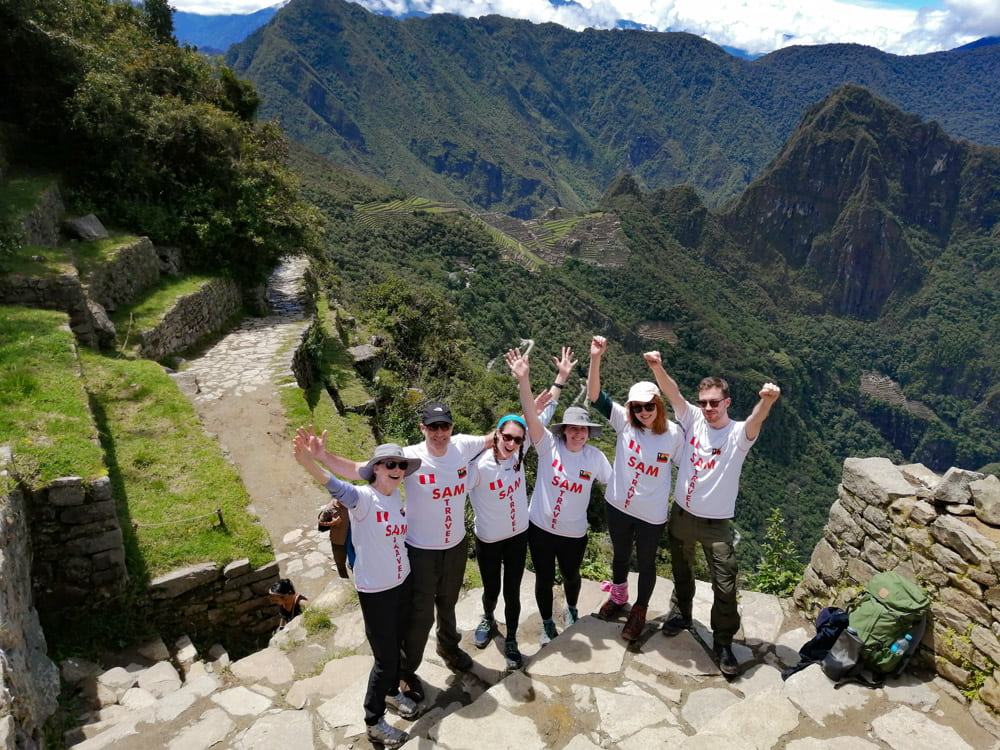
- Enter Machu Picchu through the Sun Gate (Inti Punku)
- Overnight in Aguas Calientes
- Return to Machu Picchu the next day for a full guided visit
The structure is simple. The impact comes from the arrival. You don’t just reach Machu Picchu, you approach it on foot, with a gradual reveal that builds toward the first full view from above.
Who This Experience Is For
This route exists for a very specific type of traveler:
First-time hikers
You want to experience trekking in the Andes without committing to multiple days.
Time-constrained travelers
You have limited days but still want more than a train-based visit.
Uncertain adventurers
You’re not sure how your body will respond to altitude or sustained hiking.
Mixed-experience groups
Different fitness levels, one shared objective.
Key insight:
This is not about distance. It’s about accessibility to the trekking experience.
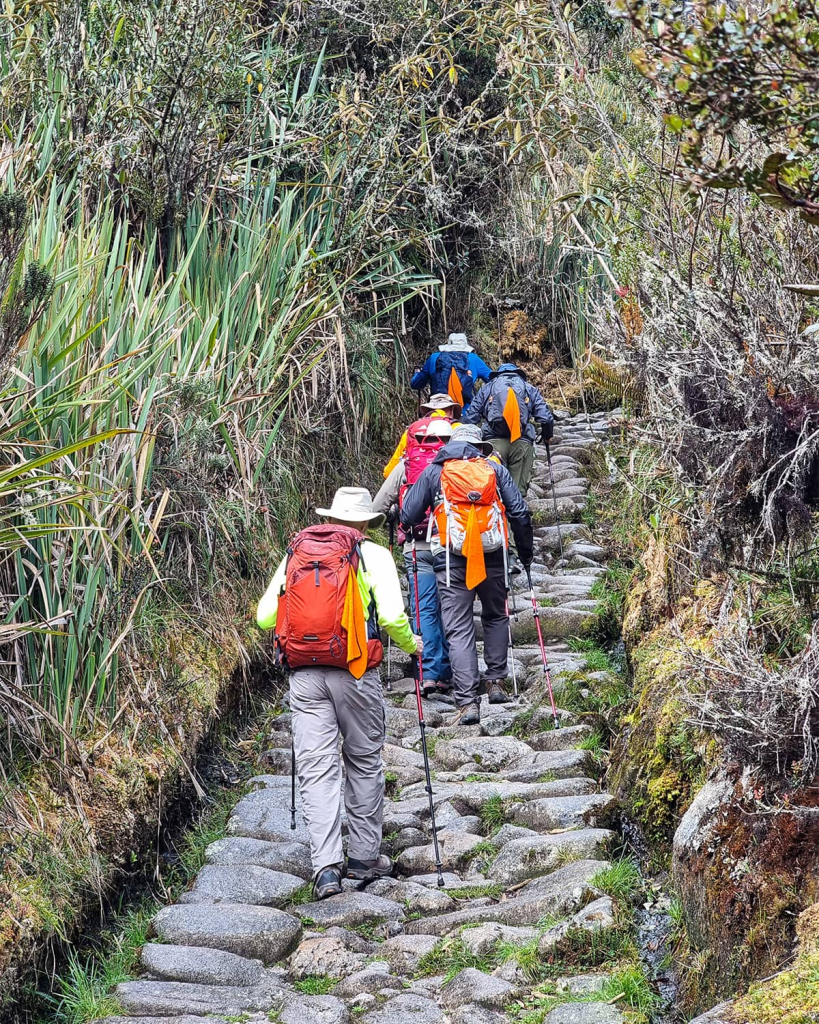
What It Actually Feels Like
There’s a gap between expectation and reality.
Expectation:
A light, easy introduction to hiking.
Reality:
A moderate, continuous effort, especially with altitude in play.
- The trail includes steady ascents and uneven stone steps
- Humidity increases as you move through cloud forest sections
- The final stretch to the Sun Gate requires a controlled push
And then it shifts. You reach the Sun Gate, and Machu Picchu appears below suddenly, fully framed, and earned.
How Difficult Is It, Really?
The Short Inca Trail is best understood as moderate and manageable, but not easy.
- 12 km of hiking
- Noticeable elevation gain
- Uneven terrain throughout
Well-suited for:
- Beginners with basic fitness
- Travelers who stay active
- Those comfortable walking for several hours
Not ideal for:
- Completely sedentary travelers
- Anyone expecting a flat or low-effort walk
Short Inca Trail vs Other Ways to Reach Machu Picchu
| Option | Duration | Effort | Experience Depth | Crowds | Best For |
| Train | 1 day | Very low | Low | High | Time-constrained travelers |
| Short Inca Trail | 2 days | Moderate | Medium | Medium | First-time hikers |
| Classic Inca Trail | 4 days | High | High | Controlled | Traditional trekking |
| Salkantay Trek | 4–5 days | Moderate–High | Very high | Low | Immersion + landscape |
What this shows clearly:
The Short Inca Trail is the middle ground. It balances effort and reward, but it doesn’t maximize either.
Where the Short Inca Trail Falls Short
This is where expectations need to be managed.
- Only one day of hiking
- Limited immersion in the Andes
- More foot traffic compared to alternative routes
- Faster pacing, less sense of progression
You don’t fully experience the journey. For many travelers, that’s enough. For others, it becomes the reason to look for more.
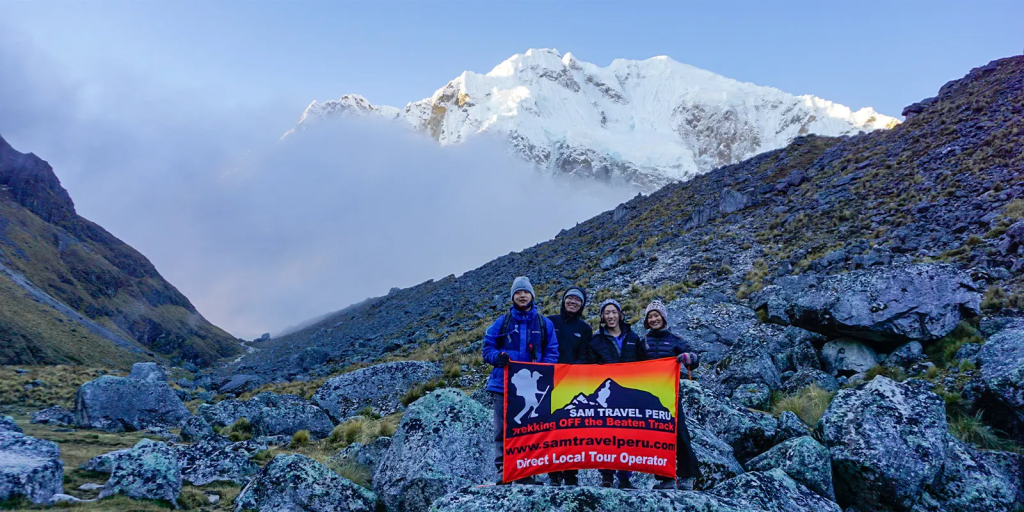
The Alternative: Salkantay as a Full Experience
If time allows, the contrast is significant.
Routes like Salkantay shift the focus entirely:
- Multi-day progression through changing ecosystems (glacier → jungle)
- Fewer crowds and fewer restrictions
- A stronger physical and emotional build-up
- A more meaningful arrival at Machu Picchu
And when structured properly, especially with setups like SkyDomes, the experience changes again:
- Recovery becomes part of the design
- Effort is distributed, not compressed
- Comfort supports consistency rather than replacing it
Key difference:
The Short Inca Trail gives you a moment. Salkantay builds a sequence.
Which One Should You Choose?
Choose the Short Inca Trail if:
- You have limited time
- You want a manageable introduction to trekking
- Machu Picchu is the central objective
Choose Salkantay if:
- You want the journey to define the experience
- You prefer fewer crowds and more landscape variety
- You’re open to a multi-day commitment
Best Time to Do the Short Inca Trail
Seasonality follows the same patterns as the region:
- Dry season (May–September): more stable conditions, higher demand
- Shoulder months (April, October): best balance of weather and space
- Rainy season (November–March): fewer people, more variability
Because this is a shorter route, it remains viable year-round, but conditions directly affect comfort on the trail.
Note: The Inca Trail is closed every February.
Final Take: Is the Short Inca Trail Worth It?
Yes, if you choose it for the right reasons.
- It’s efficient
- It’s accessible
- It delivers a real sense of arrival
But it is still a compressed experience.
If your goal is to reach Machu Picchu with meaning, this works.
If your goal is to fully engage with the Andes, it’s only a starting point.
The Short Inca Trail gives you the entrance. Longer routes give you the context, and in 2026, that distinction is what defines the trip.

Related Articles
Best hotel in Pacchanta – Sky domes
What Is Luxury Glamping on the Salkantay Trek?