Inti Punku (The Sun Gate): The Meaning Behind Machu Picchu’s Most Iconic Arrival
More Than a Viewpoint
At first glance, Inti Punku looks like a simple stone structure overlooking Machu Picchu. But that reading misses its purpose.
This was not built as a viewpoint, but designed as a moment, a controlled threshold where movement, light, and landscape come together with intention.
In the Inca world, arrival was never accidental, and Inti Punku is one of the clearest examples of that idea.
What Is an Inti Punku or the Sun Gate at Machu Picchu?
Inti Punku translates to “Sun Gate.”
These structures are found across different Inca sites, typically positioned at strategic elevations where visibility, access, and solar alignment intersect.
They served multiple roles:
- Ceremonial entrances to sacred spaces
- Astronomical markers, aligned with the movement of the sun
- Control points regulating who entered and from where
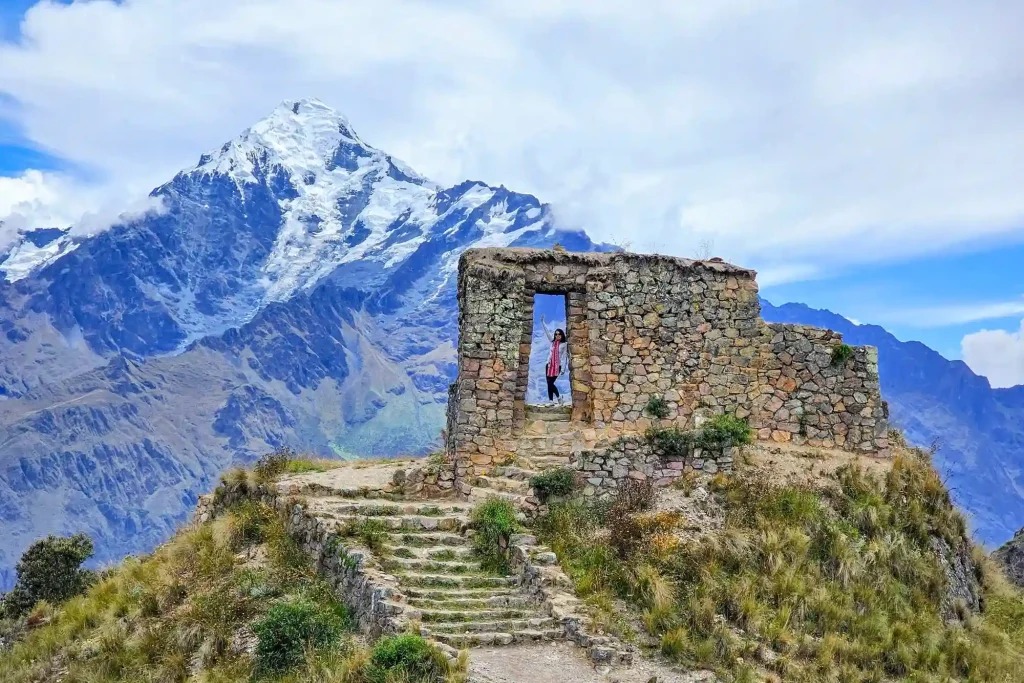
Why the Incas Built Sun Gates
To understand Inti Punku, you have to understand how the Incas approached landscape.
It was an orchestrated experience:
- The Sun (Inti) was central to their cosmology
- Elevation was used to frame perspective and significance
- Light was incorporated as an active element of design
Sun Gates combined all three. They controlled when you saw something, how you saw it, and what it meant when you did.
Inti Punku at Machu Picchu: What Makes It Different
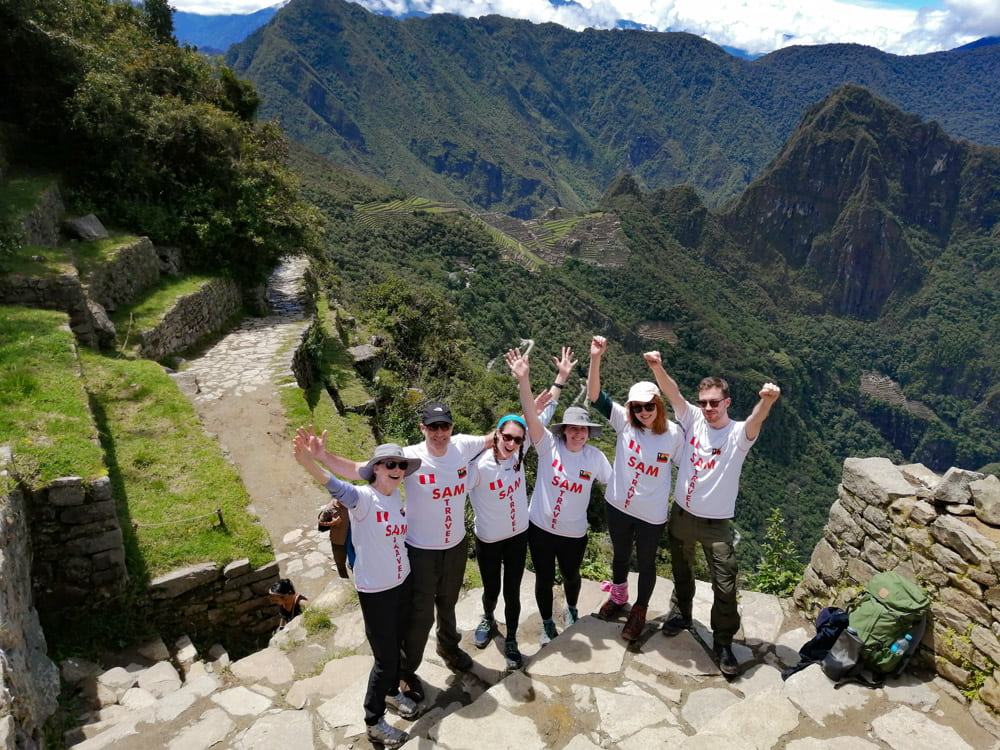
The Inti Punku of Machu Picchu is the most recognized of its kind. Positioned above the citadel along the Inca Trail, it serves as the original entrance for those arriving on foot.
What sets it apart is the combination of elements:
- Elevation: high enough to frame the entire citadel below
- Orientation: aligned to capture the first light of day
- Placement: positioned at the exact point where the journey culminates
It’s the intended first encounter with Machu Picchu.
The Experience: Arrival Through the Sun Gate
There’s a reason this moment defines the Inca Trail:
The final stretch builds gradually. Stone paths narrow, vegetation thickens, and the effort of previous days accumulates. Then the trail opens, Machu Picchu appears below fully framed, distant, and suddenly real.
There’s no slow introduction. No partial reveal. Just a single, complete perspective that makes the entire journey make sense.
Why It Became So Iconic
Inti Punku is not famous by chance, it’s famous because of what it represents.
- The culmination of the Classic Inca Trail
- The first full view after days of effort
- A perspective that feels earned, not accessed
For many travelers, this is the defining moment of their entire journey.
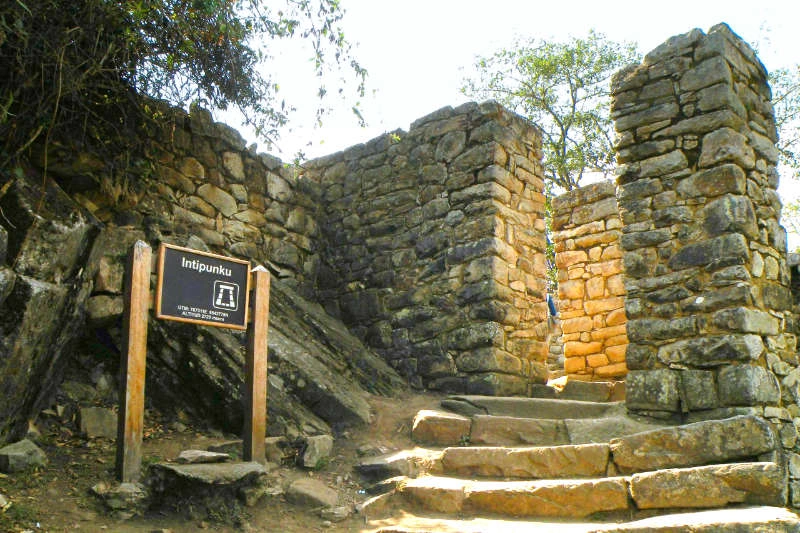
Quick Facts That Make It Worth Visiting
- Altitude: 2,720 m (8,923 ft)
- Distance from Machu Picchu: 1–2 hours hike
- Trail type: stone steps with gradual incline
- Best time: early morning for light and clarity
- Original role: ceremonial gateway and control point
Short, accessible, and high reward, regardless of how you get there.
Can You Visit Inti Punku Without the Inca Trail?
Yes, and this is where the experience becomes more accessible.
There is a variation of Circuit 1 at Machu Picchu that allows visitors to hike up to Inti Punku directly from the citadel.
What to expect:
- A moderate uphill hike
- Well-defined paths with steady elevation gain
- No need for a multi-day trek or special permits beyond your circuit ticket
This makes Inti Punku one of the most rewarding add-ons within Machu Picchu itself.
Inca Trail Arrival vs Hiking Up from Machu Picchu
| Experience | From Inca Trail | From Machu Picchu |
| Context | End of multi-day trek | Standalone hike |
| Effort | Accumulated over days | Single ascent |
| Emotional Impact | High (culmination) | Moderate (viewpoint) |
| Perspective | First reveal | Reverse perspective |
Is It Worth the Hike on Its Own?
Yes, with the right expectations.
Hiking up from Machu Picchu gives you:
- A broader perspective of the citadel
- A quieter vantage point compared to main viewpoints
- A deeper understanding of how the Incas framed arrival
Why Inti Punku Still Matters
Inti Punku captures something essential about Inca design: It shows that Machu Picchu was never meant to be seen all at once. It was meant to be revealed.
Whether you reach it after four days on the Inca Trail or a two-hour climb from the citadel, the idea remains the same: This is the place where the journey becomes visible.