How to Get to Machu Picchu (2026 Guide): All Routes Explained
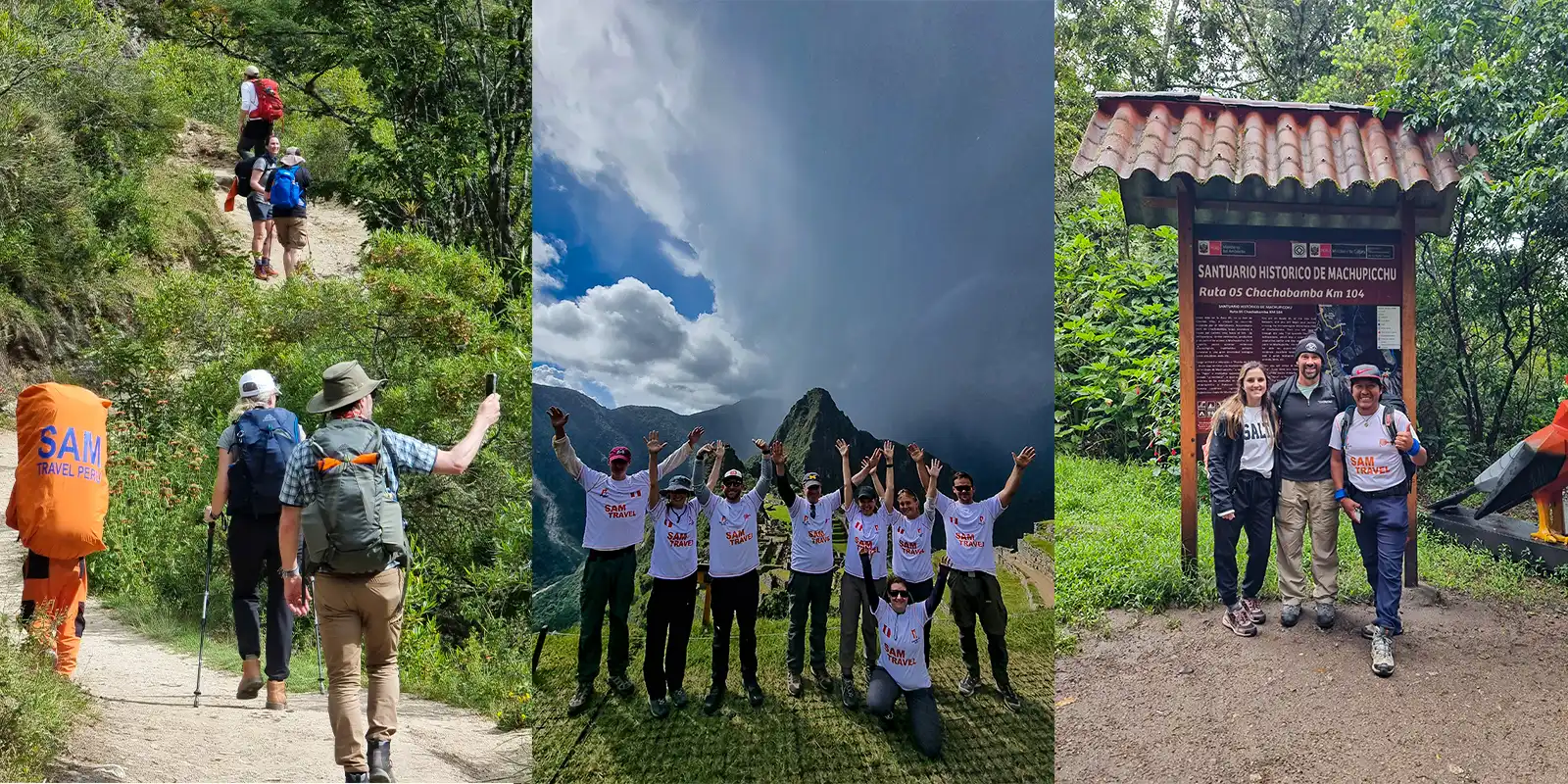
There’s No Single Way to Reach Machu Picchu
Most travelers arrive in Peru with one assumption: there’s a standard way to get to Machu Picchu.
There isn’t.
What exists instead is a set of routes, each with different levels of effort, time, cost, and depth of experience. Some are direct and efficient. Others are built around progression and immersion. The destination is the same. The journey is not.
The Standard Route (Doing It Yourself)
This is the most common independent approach. It works, but it requires coordination.
Step 1: Cusco → Ollantaytambo
- Travel by taxi, bus, or private transfer
- Duration: 1.5 to 2 hours
- Early departure recommended to align with train schedules
This is the access point to the railway system.
Step 2: Train to Aguas Calientes
- Duration: 1 hour 45 minutes
- Route follows the Urubamba River through the Sacred Valley into cloud forest
This is the only direct rail access to Machu Picchu.
Step 3: Aguas Calientes → Machu Picchu
From the town at the base, you have two options:
- Shuttle bus: 25 minutes, the most common option
- Hiking route: a physical alternative with no transport cost
At this stage, your Machu Picchu entry ticket, and its time slot, becomes critical.
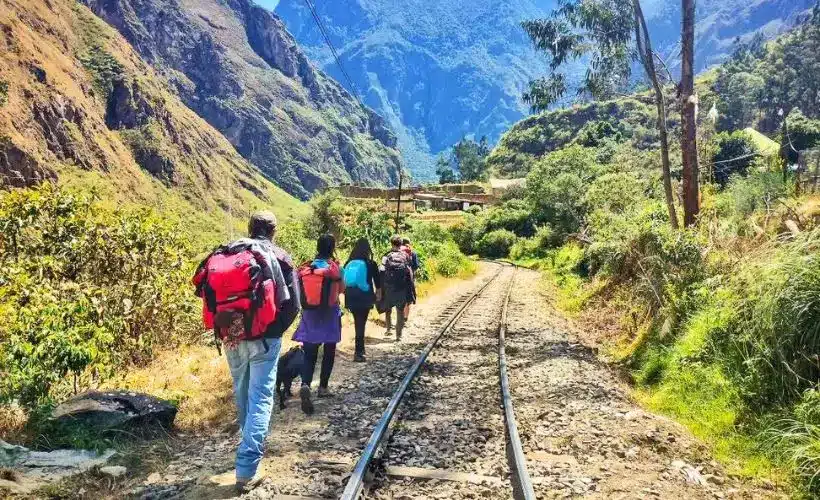
The Budget Option: Hiking Up from Aguas Calientes
For travelers looking to reduce costs, hiking is a viable option.
- Duration: 1.5 to 2 hours uphill
- Terrain: continuous stone steps and steep incline
- Start point: near the bridge at the edge of town
What this means in practice:
- You trade cost savings for physical effort
- You arrive at Machu Picchu already exerted
This option works best for:
- Budget-conscious travelers
- Those already acclimatized
- Early risers willing to start before sunrise
Clarity:
This is not an easy walk. It’s a sustained ascent before your visit begins.
What Most Travelers Underestimate
The route itself is simple. The execution is where things break down.
- Train schedules are fixed and limited
- Machu Picchu entry times are strict
- Transportation must align precisely with your ticket
- Aguas Calientes logistics are often misunderstood
All the Ways to Reach Machu Picchu
| Route | Duration | Effort | Experience Depth | Best For |
| Train | 1–2 days | Low | Moderate | Efficiency |
| Inca Trail (4D) | 4 days | High | High | Classic trekking |
| Short Inca Trail | 2 days | Moderate | Medium | First-time hikers |
| Salkantay Trek | 4–5 days | Moderate–High | Very high | Immersion |
| Inca Jungle | 3–4 days | Moderate | High | Multi-activity |
| Car Route | 2–3 days | Low–Moderate | Low | Budget travelers |
Route Breakdown: Choosing Your Way In
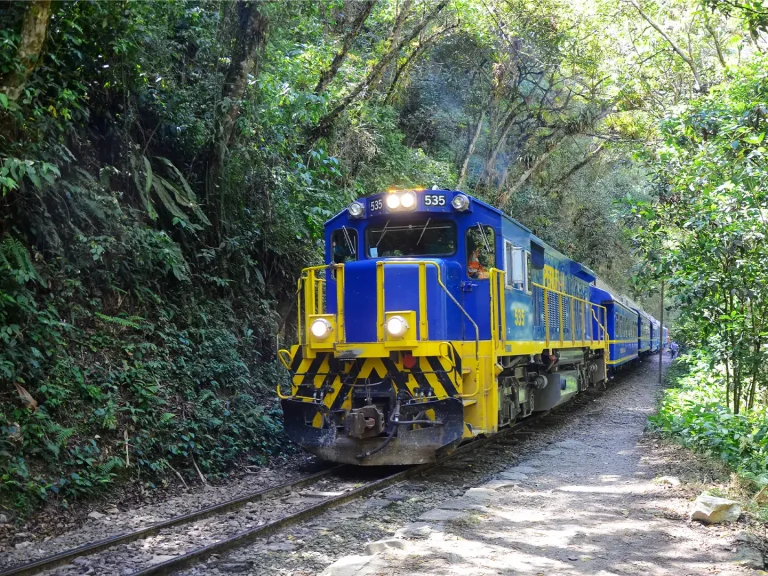
Machu Picchu by Train (Most Direct Option)
This is the fastest and most controlled route.
- Minimal physical effort
- Predictable logistics
- Ideal for short itineraries
It delivers access efficiently, but limits the sense of progression.
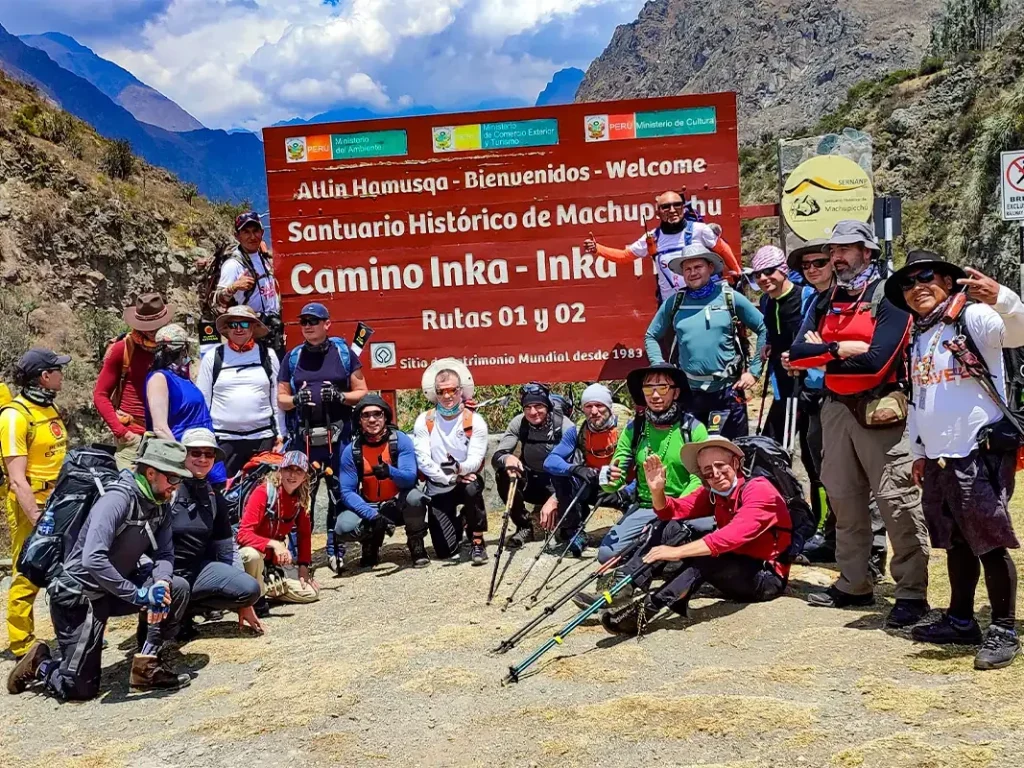
Classic Inca Trail (4 Days)
The reference route.
- Multi-day trek on original Inca paths
- Entry through the Sun Gate
- Strict permit system
This is a structured, shared experience built around history and progression.
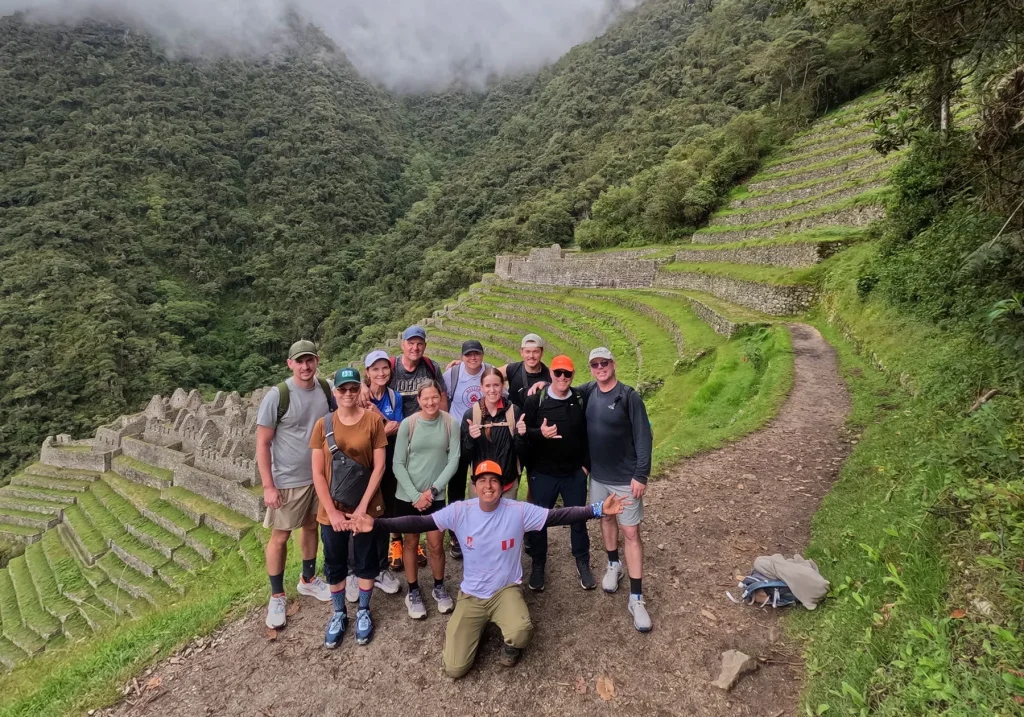
Short Inca Trail (2 Days)
A condensed version of the classic route.
- One day of hiking
- Still enters through the Sun Gate
- Lower time and physical commitment
This is the minimum trekking experience that still feels complete.
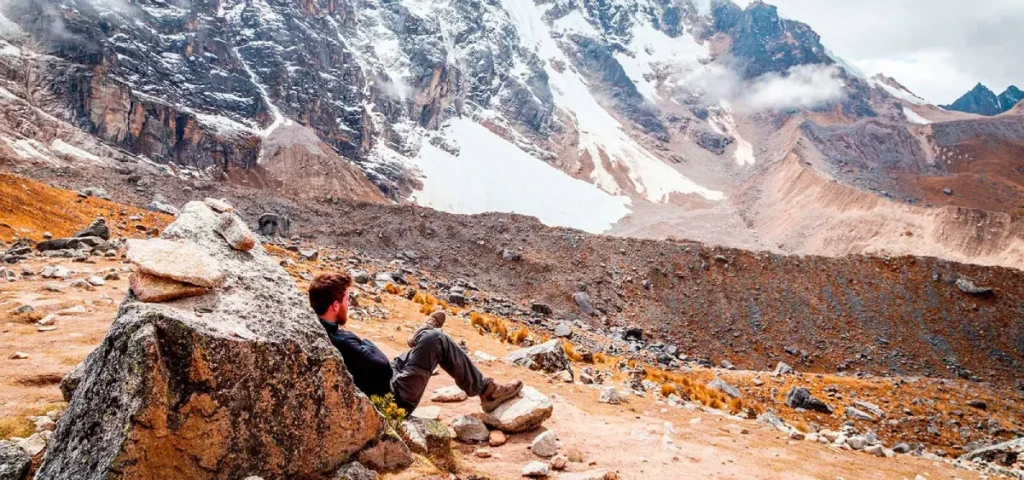
Salkantay Trek (4–5 Days)
A different approach entirely.
- No permit restrictions
- Landscapes shift from high alpine to tropical valleys
- Fewer crowds and more space
This route emphasizes environment and immersion over structure.
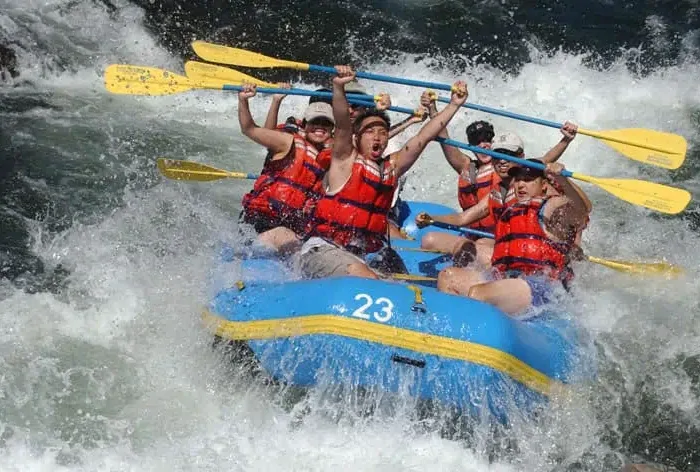
Inca Jungle Trail (3–4 Days)
A hybrid, activity-based route.
- Combines biking, hiking, and optional activities
- Less traditional, more dynamic
This is built for travelers who want movement and variation, not just hiking.
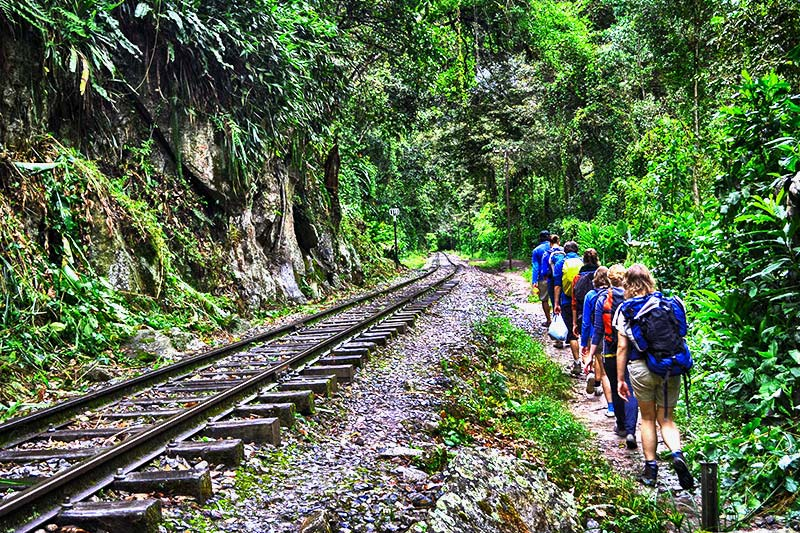
Machu Picchu by Car (Budget Route)
The lowest-cost approach.
- Travel by road to Hydroelectric
- Continue on foot or by train to Aguas Calientes
It saves money, but increases travel time and reduces comfort.
Tours vs Doing It Yourself
At this point, the difference becomes clear.
Doing It Yourself
- Full control over decisions
- Requires careful coordination
- Higher margin for logistical errors
Going with a Tour
- Transport, tickets, and timing aligned מראש
- Guided experience at Machu Picchu
- Reduced friction across the entire process
Which Option Should You Choose?
Train if:
- You want the fastest and simplest route
- Time is limited
The Inca Trail if:
- You want the classic, historic journey
- Permits align with your schedule
The Short Inca Trail if:
- You want a lighter trekking experience
- You’re new to multi-day hikes
Salkantay Trek if:
- You want fewer crowds and more landscape diversity
- You value immersion over structure
The Jungle Route if:
- You prefer a more dynamic, activity-driven experience
The Car Route if:
- Budget is your priority
- You’re flexible with time and comfort
Final Take: The Route Defines the Experience
Machu Picchu is the destination, but the experience is shaped long before you arrive.
- A train gets you there efficiently
- A trek builds the journey around the arrival
- Alternative routes redefine what the experience feels like
A Clear Next Step
If you’re evaluating these routes, each one can also be experienced through structured itineraries that align transport, entry, and guiding into a single plan.
Not to change the route, but to make sure the experience unfolds without friction. Because in the end, getting to Machu Picchu is not the challenge.