4 Iconic Archaeological Sites in Cusco (That Are Not Machu Picchu)
Expanding the Cusco Narrative
Machu Picchu defines global perception of the Inca world. Within the Cusco region, however, it represents only one expression of a much broader system of urban planning, territorial control, and ceremonial architecture.
The Andes around Cusco are not organized around a single destination. They are structured as a network of high-value sites, each fulfilling specific political, agricultural, or religious functions.
For travelers looking to go deeper, the question is not whether there are alternatives to Machu Picchu, but which sites provide comparable depth, scale, and context.
What Defines an “Iconic” Site in Cusco
Not all ruins operate at the same level. For this selection, four criteria matter:
- Scale: multi-sector complexes rather than isolated structures
- Historical relevance: clear role within the Inca system
- Structural diversity: combination of agricultural, residential, and ceremonial elements
- Experiential depth: sites that require time, effort, or interpretation
Quick Comparison, Choosing the Right Site
| Site | Type | Access Difficulty | Time Needed | Key Strength |
| Choquequirao | Remote citadel | High (trek) | 4–5 days | Scale + isolation |
| Ollantaytambo | Living Inca town | Easy | Half–full day | Architecture + accessibility |
| Pisac | Hilltop complex | Moderate | Half day | Terraces + views |
| Vilcabamba | Remote historical zone | High (expedition) | Multi-day | Historical significance |
Choquequirao: The Remote Inca Citadel
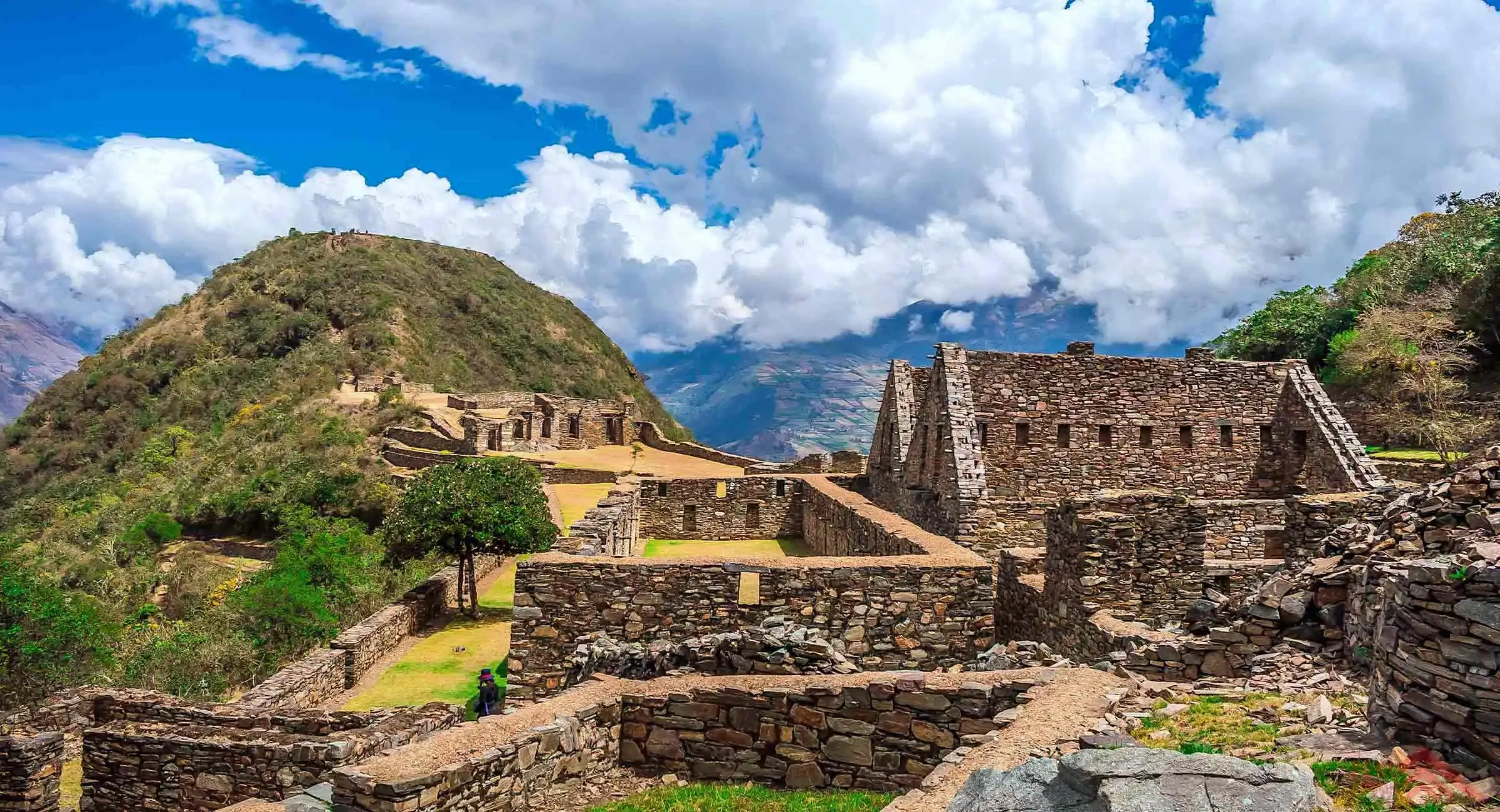
Choquequirao operates at the closest scale comparison to Machu Picchu, yet remains largely unexcavated and minimally visited. Its layout includes extensive agricultural terraces, ceremonial platforms, and distinct sectors that suggest a complex urban function.
Access defines the experience. Reaching the site requires a multi-day trek, naturally limiting visitor numbers and preserving a sense of isolation that is increasingly rare in the region.
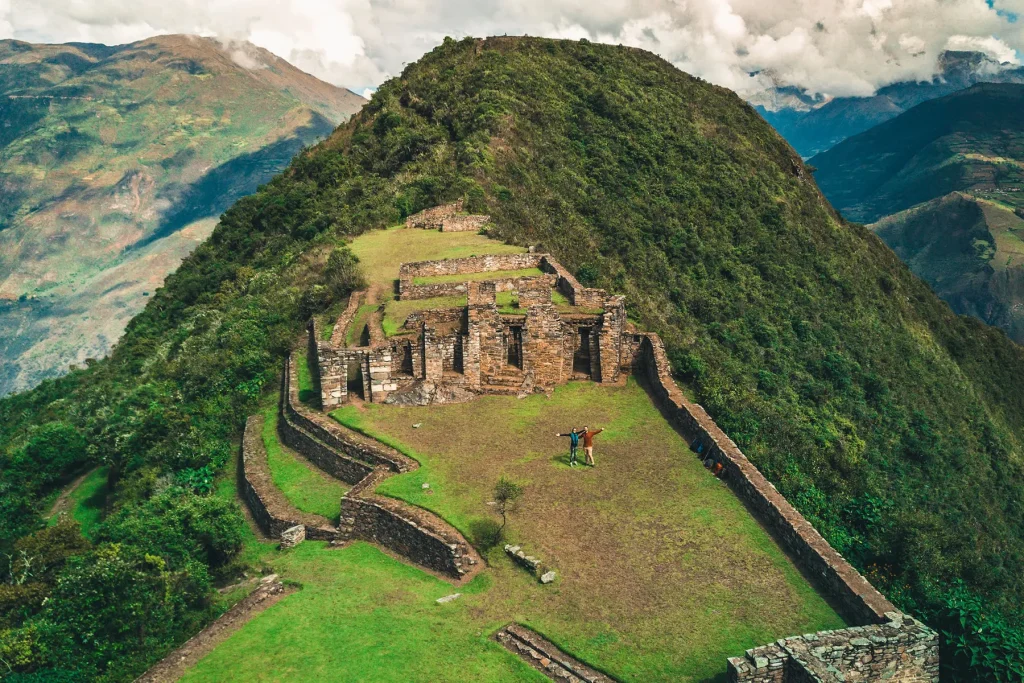
The value here is direct: high effort produces high exclusivity, which in turn allows for a more sustained and uninterrupted engagement with the site.
Ollantaytambo: The Living Inca City
Ollantaytambo stands apart due to continuity. It is one of the few places where Inca urban planning remains in active use, with original street grids and water channels still functioning within a living town.
The archaeological complex above the town adds a second layer, massive terraces, the Temple of the Sun, and finely carved stonework that point to both ceremonial and strategic importance.
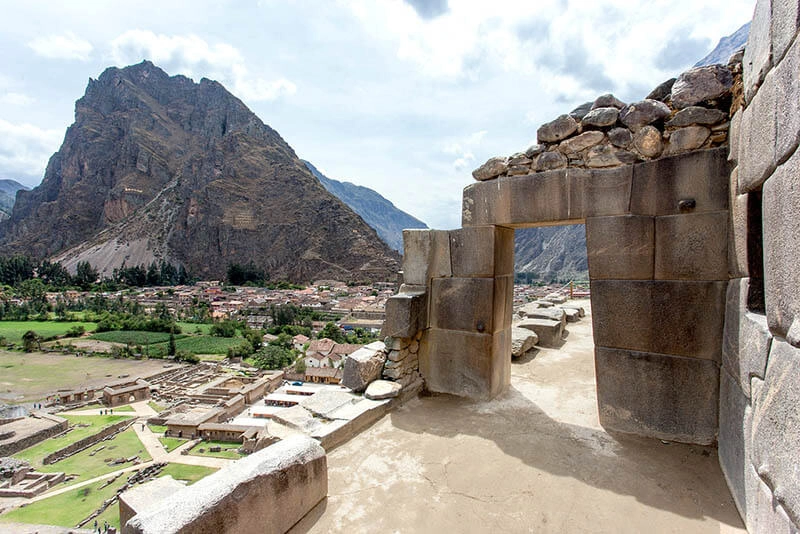
Its accessibility does not reduce its value. Instead, it positions Ollantaytambo as the most efficient way to understand how Inca cities operated in practice.
Pisac: Terraces, Control, and Ceremonial Design
Pisac is defined by scale and positioning. The site extends across a mountain ridge, integrating agricultural terraces, residential zones, and ceremonial structures into a single system.
Its elevation is not incidental. From this vantage point, the site controlled access to key areas of the Sacred Valley, reinforcing its dual role as both a defensive and administrative center.
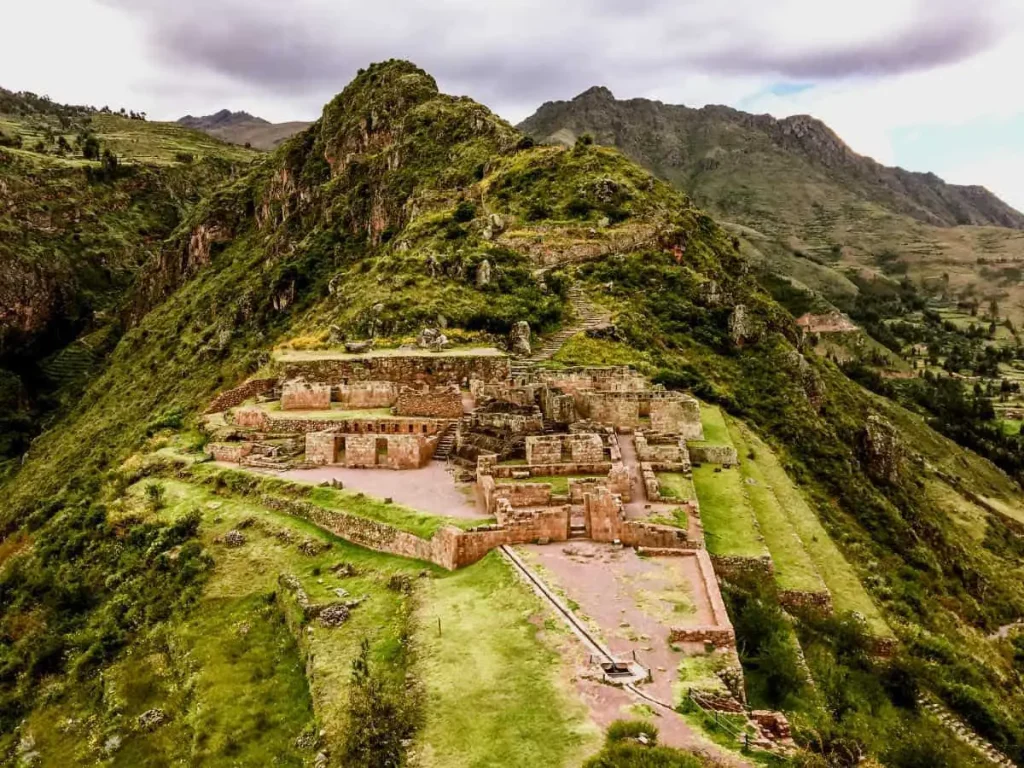
The experience here is structured. Movement through the site reveals how different sectors interact, making Pisac a clear example of integrated Inca planning.
Vilcabamba: The Last Inca Stronghold
Vilcabamba holds its value less through visual impact and more through historical context. It was the final refuge of the Inca state following the Spanish conquest, marking the last phase of organized resistance.
Unlike more developed sites, Vilcabamba requires interpretation. Structures are less restored, and access involves a multi-day journey into remote terrain.
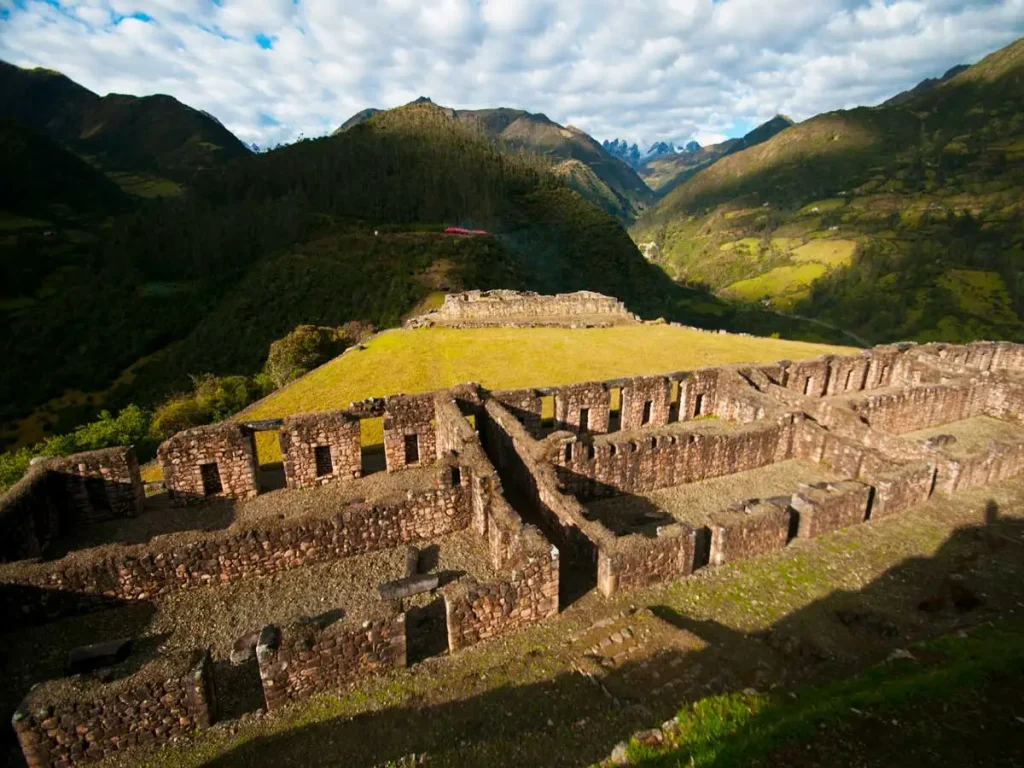
This shifts the experience. The site is not defined by monumentality, but by what it represents within the broader timeline of the Inca civilization.
Which One Aligns With Your Travel Style
Each site serves a different objective:
- For deep exploration and isolation → Choquequirao
- For accessibility with architectural depth → Ollantaytambo
- For short but structured immersion → Pisac
- For historical context and remoteness → Vilcabamba
The decision is not about which is “better,” but which aligns with how you want to engage with the region.
Positioning the Experience
These sites are rarely experienced in isolation. They are part of broader itineraries that involve altitude changes, multi-day movement, and transitions between ecological zones.
How that journey is structured directly impacts the outcome. Proper acclimatization, recovery, and continuity between locations allow for consistent engagement rather than fragmented visits.
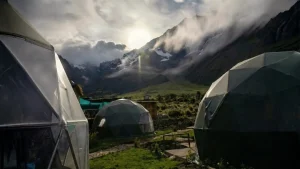
Well-designed camps, such as Sky Domes, support this process. Not by altering the landscape, but by providing stability within it, particularly on routes that demand sustained physical effort.
Cusco Beyond a Single Destination
Machu Picchu remains a central reference point, but it does not define the entirety of the Inca world. Sites like Choquequirao, Ollantaytambo, Pisac, and Vilcabamba expand that perspective.
Together, they reveal a system built on adaptation, control, and layered meaning across the landscape.
For travelers willing to look beyond a single destination, Cusco becomes not a stop, but a framework for understanding an entire civilization.