Waqrapukara: How to Visit One of Cusco’s Most Distinct Archaeological Sites
Beyond the Typical Cusco Circuit
Most itineraries in Cusco follow a predictable structure: Sacred Valley, Machu Picchu, and a set of accessible archaeological stops. Waqrapukara sits outside that pattern.
Located above the Apurímac canyon system, Waqrapukara combines topographic isolation, ceremonial architecture, and limited access. It is not designed for high-volume visitation, which directly shapes the experience.
This is not a substitute for Machu Picchu. It is a different category of site, defined by exposure, landscape integration, and low density.
What Makes Waqrapukara Distinct
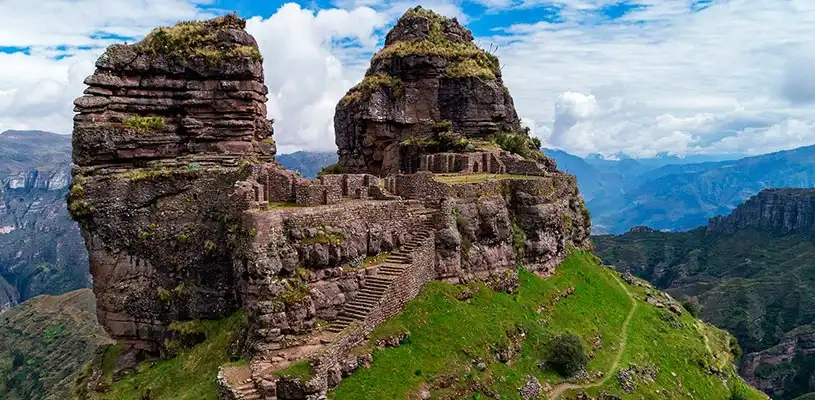
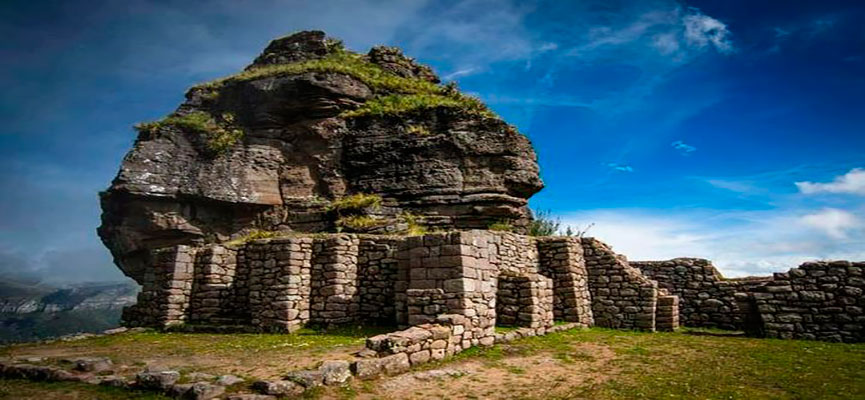
Waqrapukara translates roughly to “horned fortress,” referencing the rock formations that frame the site. The name reflects its visual identity, but not its full function.
Key characteristics:
- Cliff-edge positioning above deep canyon terrain
- Hybrid function: ceremonial, defensive, and possibly administrative
- Compact but strategic layout: terraces, enclosures, and ritual spaces
- Pre-Inca origins (likely Canchis culture), later integrated into the Inca system
Unlike larger complexes, Waqrapukara is not defined by scale. Its value comes from placement and context.
Why It Has Gained Attention
Waqrapukara has moved from relative obscurity to a recognized destination due to:
- Increased demand for less crowded alternatives
- Visual distinctiveness (natural rock “horns” + architectural remains)
- Feasibility as a long day trip or short trek
Despite this, it remains low-density compared to other sites. Access constraints naturally limit visitor flow.
Quick Overview: What to Expect
| Factor | Waqrapukara |
| Altitude | 4,300 m |
| Difficulty | Moderate |
| Hiking Time | 2–4 hours (depending on route) |
| Crowds | Low |
| Landscape | Canyon + high-altitude plateau |
| Access | Dirt roads + hiking |
The key variable is not distance, but altitude and exposure.
Route Options: How to Get There
There are two primary access routes. The choice affects both effort and pacing.
Route 1: Santa Lucia (Shorter Approach)
- Shorter hiking distance
- Gradual terrain
- Most common option for day trips
Structure:
- Drive from Cusco (approx. 3–4 hours)
- 1.5–2 hour hike to the site
- Return via same route
Use case:
Best for travelers with limited time who want efficient access without extreme effort
Route 2: Wayki (Longer, More Scenic Route)
- Longer hike with more variation
- Stronger sense of progression toward the site
Structure:
- Drive to trailhead (similar duration)
- 3–4 hour hike through valleys and ridgelines
- Return or loop depending on logistics
Use case:
Better for travelers prioritizing the journey itself, not just the destination
The Experience on Site
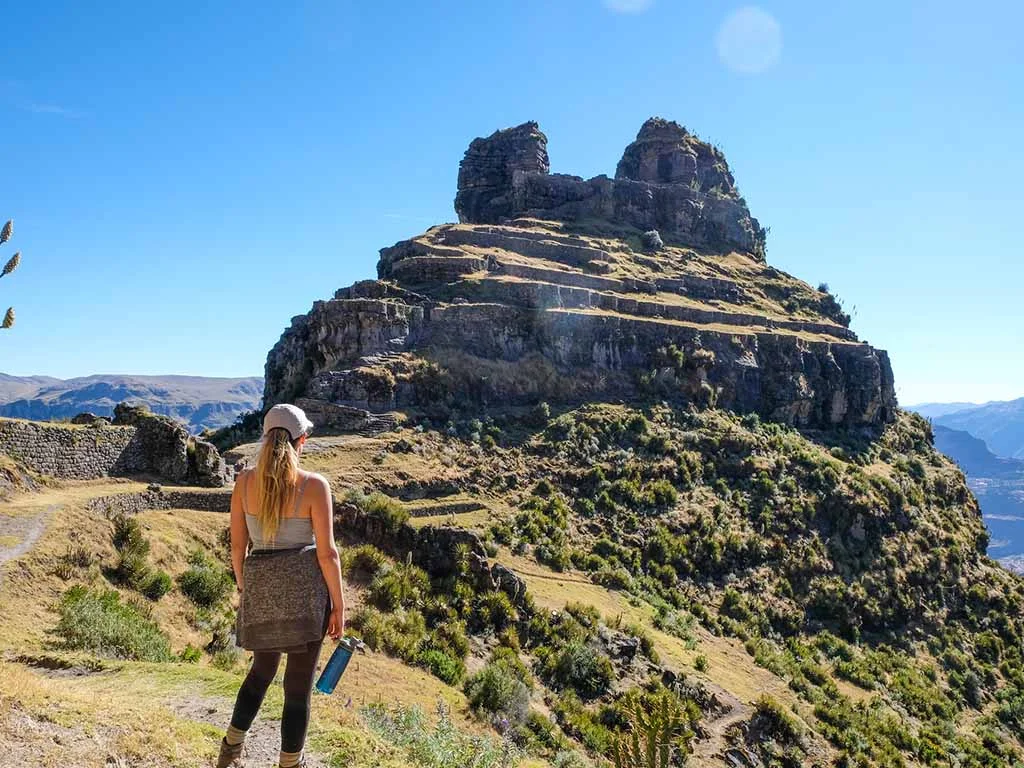
Waqrapukara is not a large complex. The visit is defined by how the site interacts with its surroundings.
What You’ll See
- Terraces built into steep terrain
- Stone enclosures and ceremonial platforms
- Distinct rock formations framing the structure
What Defines the Experience
- Open exposure to wind and altitude
- Limited infrastructure
- Low visitor density
There is no fixed path or strict circulation. Movement through the site is informal and exploratory.
Activities
- Hiking: primary component of the visit
- Exploration of structures: terraces and ceremonial areas
- Photography: strong visual contrast between rock formations and canyon
- Extended observation: time on site is flexible due to low crowd pressure
Unlike high-traffic sites, there is no enforced rhythm. The experience is self-paced.
Historical Context, A Layered Site
Waqrapukara predates the Inca expansion and is associated with the Canchis culture, later incorporated into the Inca network.
Its function is not fully defined, but evidence suggests:
- Ceremonial use tied to landscape features
- Strategic oversight of surrounding valleys
- Integration into regional control systems during the Inca period
This layered history contributes to its ambiguity. The site is not fully interpreted, which shifts the experience toward observation rather than guided narrative.
Choosing Waqrapukara: Who It’s For
This is not a default stop. It aligns with specific travel preferences.
Best suited for travelers who:
- Prefer low-crowd environments
- Are comfortable hiking at altitude
- Value landscape + archaeology combined
- Are looking for alternatives beyond standard circuits
Less suited for:
- Travelers with limited acclimatization
- Those seeking fully developed, easily accessible sites
The key factor is tolerance for effort relative to infrastructure.
Practical Considerations
- Acclimatization: minimum 2–3 days in Cusco recommended
- Weather: highly variable, especially in shoulder seasons
- Logistics: early departures required due to travel time
What to bring:
- Layered clothing
- Sun protection
- Water and snacks
- Proper hiking footwear
Altitude remains the primary constraint, even on shorter routes.
Positioning the Experience
Waqrapukara is often approached as a long day trip. This is viable, but compresses the experience into a single effort-heavy window.
When integrated into broader itineraries, particularly those that include trekking routes, it benefits from better acclimatization and pacing.
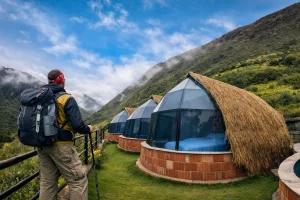
Within that structure, stable accommodations, such as Sky Domes, support recovery and continuity, especially when moving between high-altitude environments.
A Different Type of Archaeological Experience
Waqrapukara does not compete with larger sites in scale. Its value lies in location, access, and atmosphere.
It offers a version of the Andes where archaeology is not separated from landscape, and where effort directly shapes the experience.
For travelers willing to move beyond standard routes, it provides a more exposed, less mediated way to engage with the region.