Things to Do in Ollantaytambo: A Practical Guide to Activities, Food, and Nearby Experiences
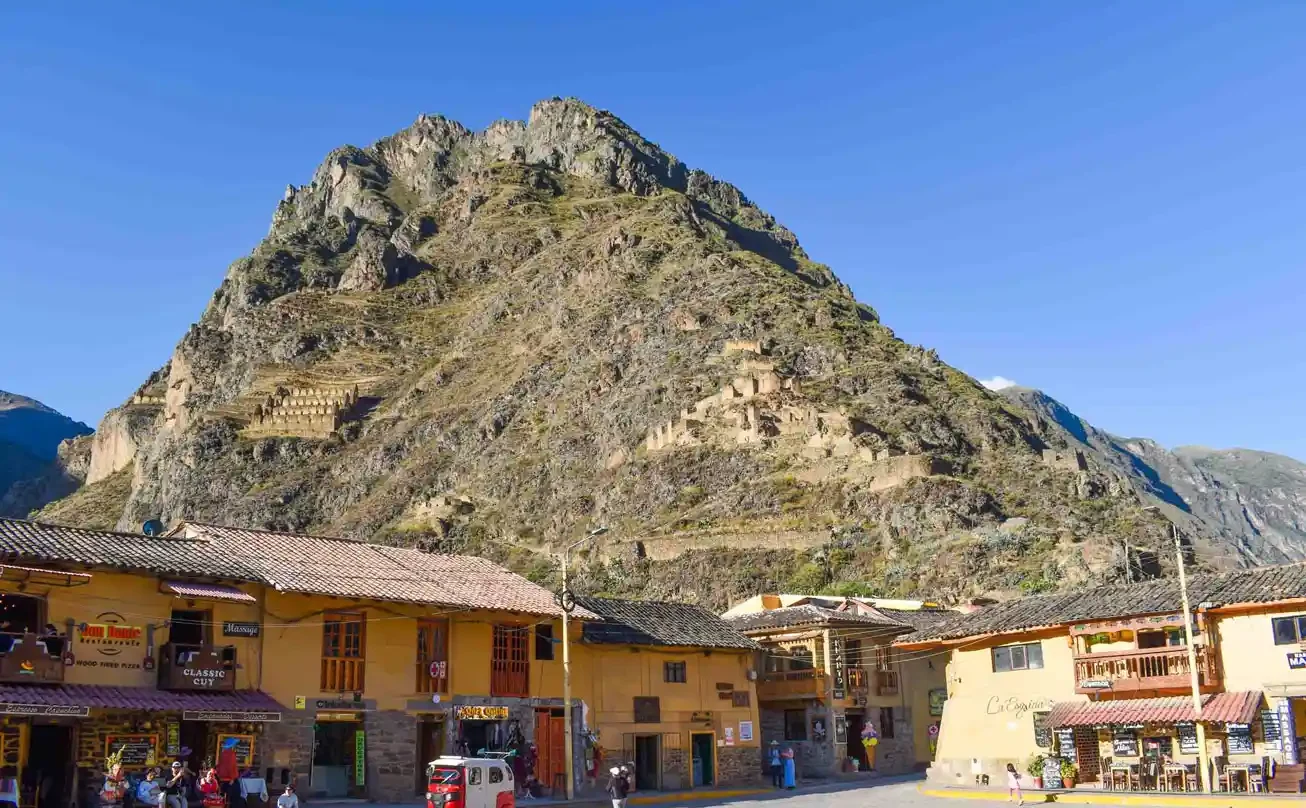
Ollantaytambo as a Base, Not Just a Stop
Most travelers pass through Ollantaytambo on their way to Machu Picchu. Functionally, it’s a transport hub. Structurally, it’s much more.
Ollantaytambo operates on three levels:
- A major archaeological site
- A living Inca town
- A gateway to surrounding hikes and Sacred Valley routes
The key decision is whether to treat it as a short stop, or use it as a base for layered exploration.
Restaurants & Cafeterias: Where to Eat
Ollantaytambo has a concentrated but high-quality food scene. The best options balance consistency, location, and product quality.
Top Restaurants
- Chuncho → Contemporary Peruvian with a focus on local ingredients
- El Albergue Restaurant → Farm-to-table concept with on-site garden
- Amanto → Elevated dining, strong presentation and technique
- WATYA → Modern interpretation of Andean cooking
- Apu Veronica Restaurant → Reliable traditional dishes with valley views
- Sabor Mágico Grill Restaurant → Casual, well-reviewed, consistent
Positioning:
These restaurants are not just convenient, they reflect how the Sacred Valley has evolved into a gastronomic extension of Cusco.
Cafeterias & Casual Stops
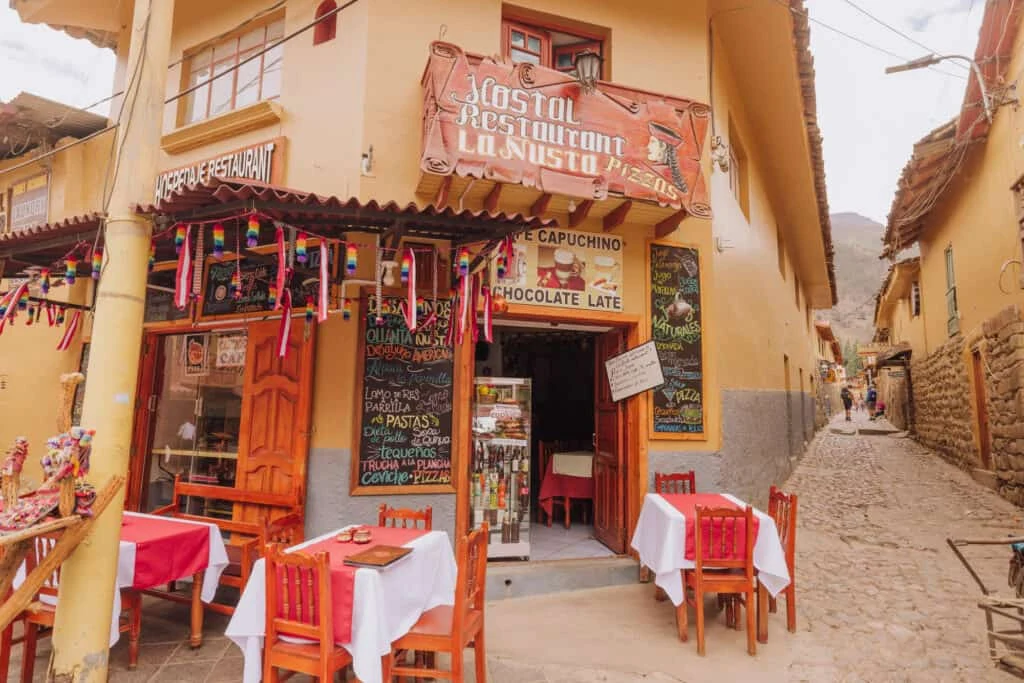
- Hearts Cafe → Social-impact café, popular with travelers
- Inka Nato Restaurante → Good for quick, affordable meals
- Local bakeries and small cafés around the plaza
Use case:
Best for breakfast, light meals, or downtime between activities.
Nearby Hikes & Outdoor Experiences
Ollantaytambo offers direct access to hikes that vary in difficulty and commitment. The advantage is proximity, most start within minutes of town.
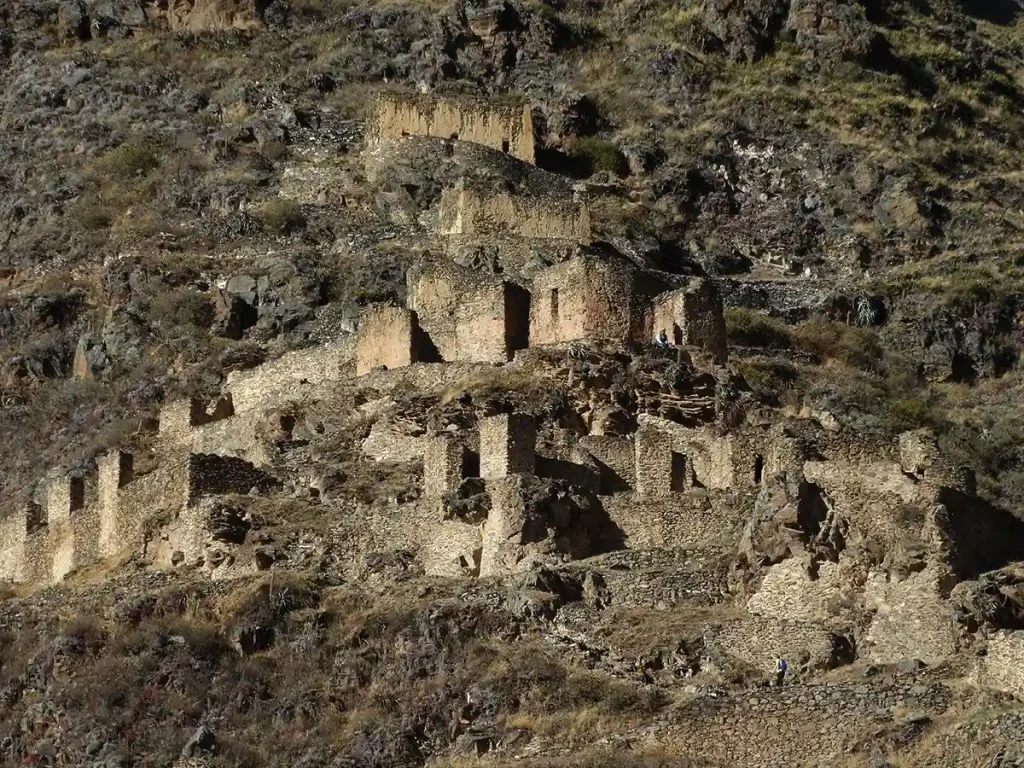
Pinkuylluna
A short but steep hike leading to storage structures overlooking Ollantaytambo.
- Duration: 1 hour round trip
- Difficulty: Moderate (steep sections)
- Value: Quick elevation gain + strong views
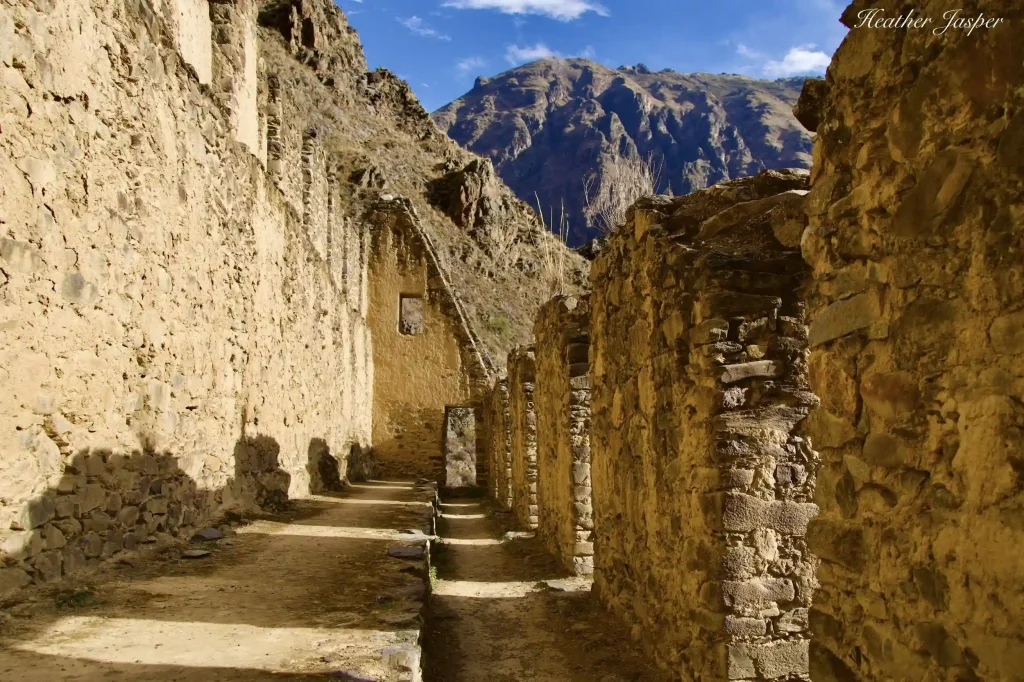
Best use: Acclimatization or short exploration window
Pumamarca
A longer and less-visited route leading to an Inca site above the valley.
- Duration: Half-day
- Difficulty: Moderate
- Value: Low traffic, broader landscape exposure
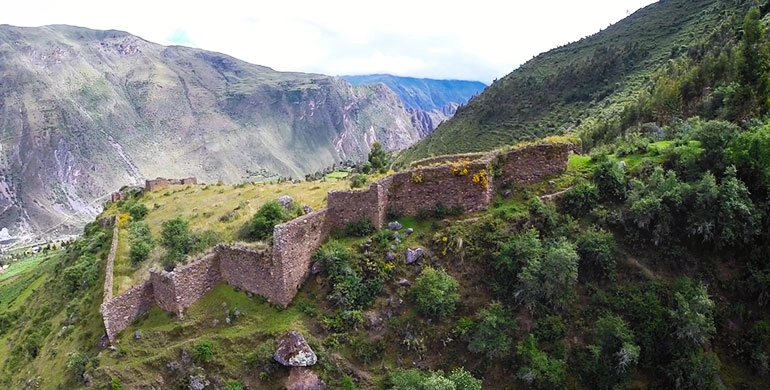
Perolniyoc Waterfall & Ruins
A combination of natural and archaeological features.
- Duration: Half-day
- Difficulty: Moderate
- Value: Balanced experience (hiking + site exploration)
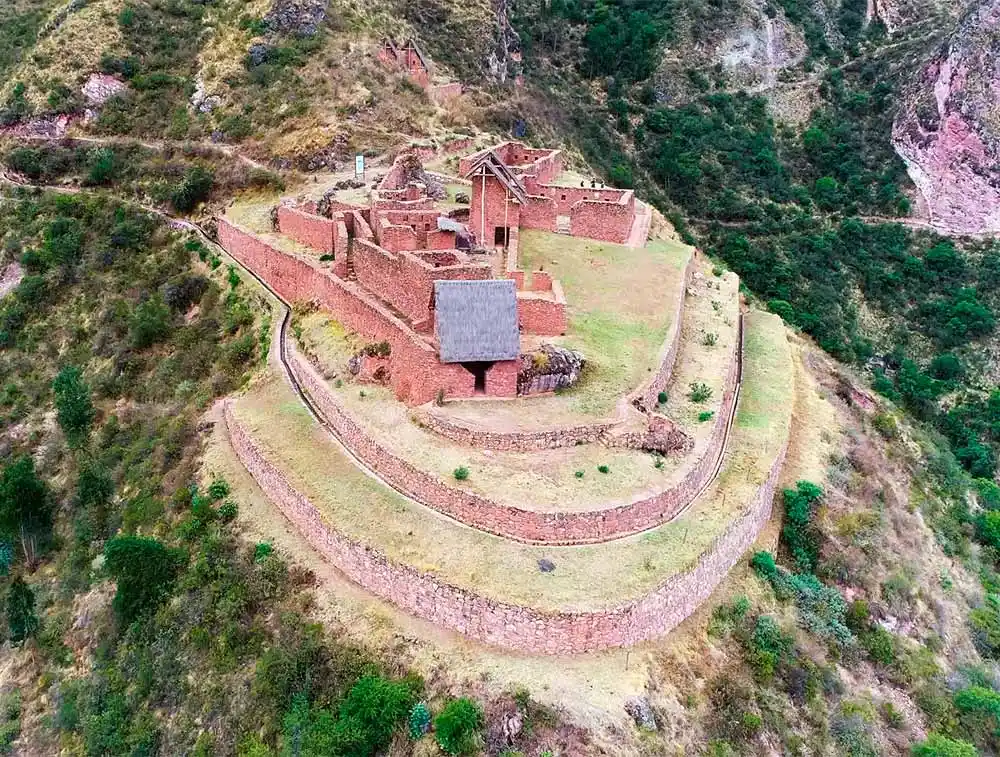
Ñaupa Iglesia
A smaller, symbolic site with carved stone features.
- Duration: Short visit
- Difficulty: Easy to moderate access
- Value: Conceptual interest rather than scale
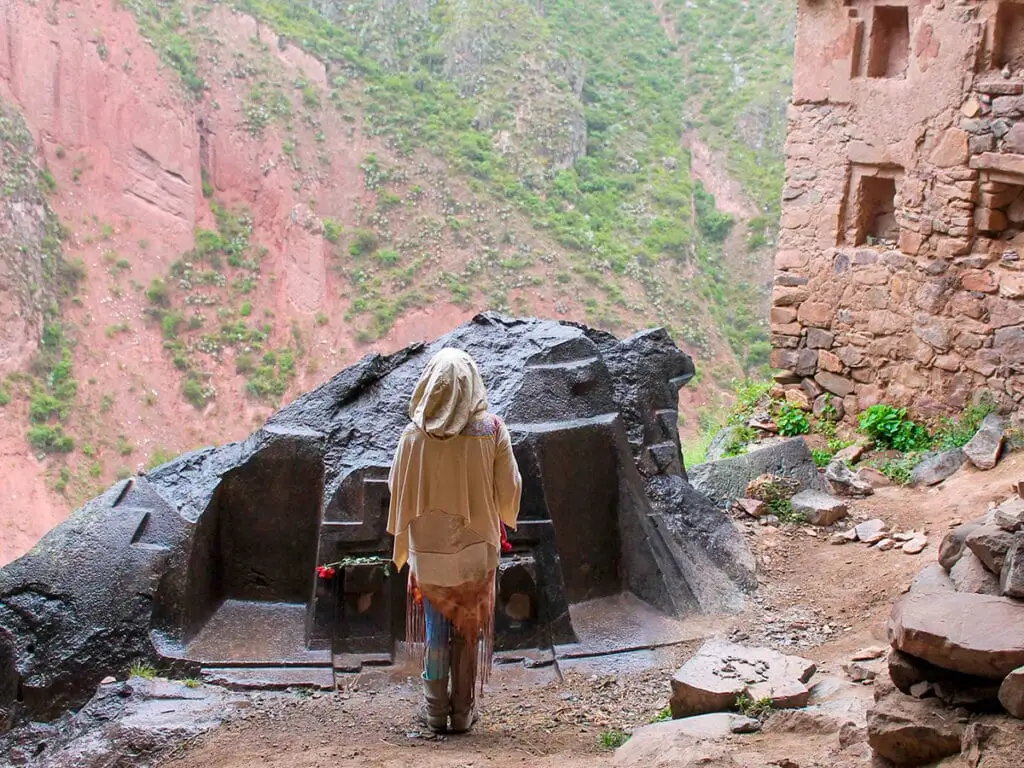
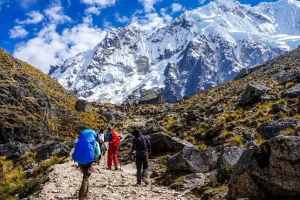
Inca Quarry Trail
A multi-day trekking route ending in Ollantaytambo.
- Duration: 2–4 days
- Difficulty: Moderate
- Value: Alternative to more crowded trekking routes
Cultural & Historical Attractions
This is the core of Ollantaytambo’s value. Unlike most locations, the archaeological site and the town are still integrated.
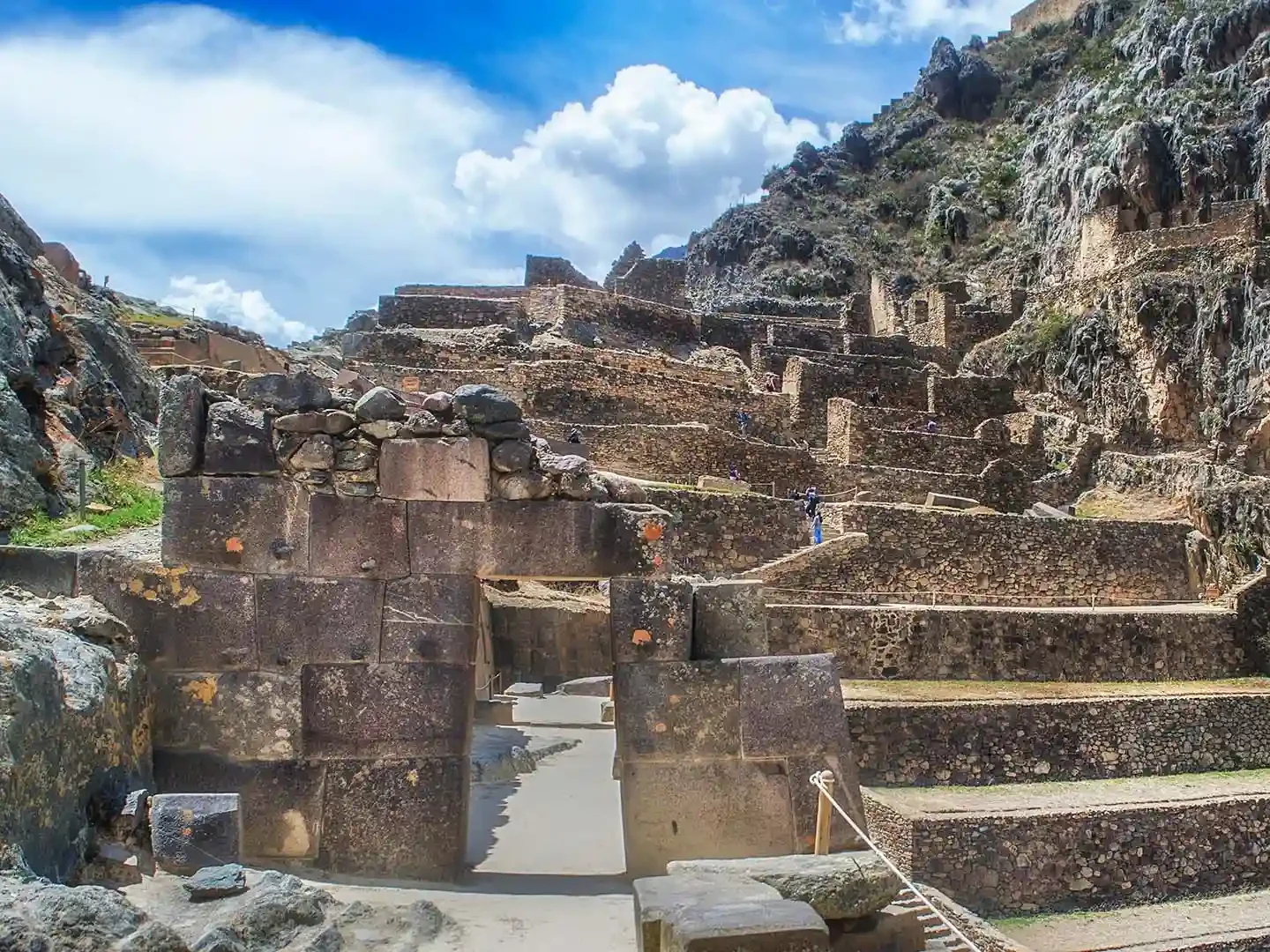
Ollantaytambo Archaeological Site
One of the most structurally complete Inca complexes in Peru.
- Terraces built into steep mountain slopes
- Ceremonial areas and urban planning elements
- Evidence of both construction and military use
Temple of the Sun
Part of the main complex, this unfinished structure highlights the technical ambition of Inca construction.
- Massive stone blocks
- Precise alignment and carving
- Interrupted development (likely due to Spanish conquest)
Ollantaytambo Old Town
A functioning Inca-era urban grid.
- Original streets and water channels still in use
- Continuous occupation since the Inca period
- Direct interaction between daily life and historical structure
Positioning:
This is what differentiates Ollantaytambo is living culture.
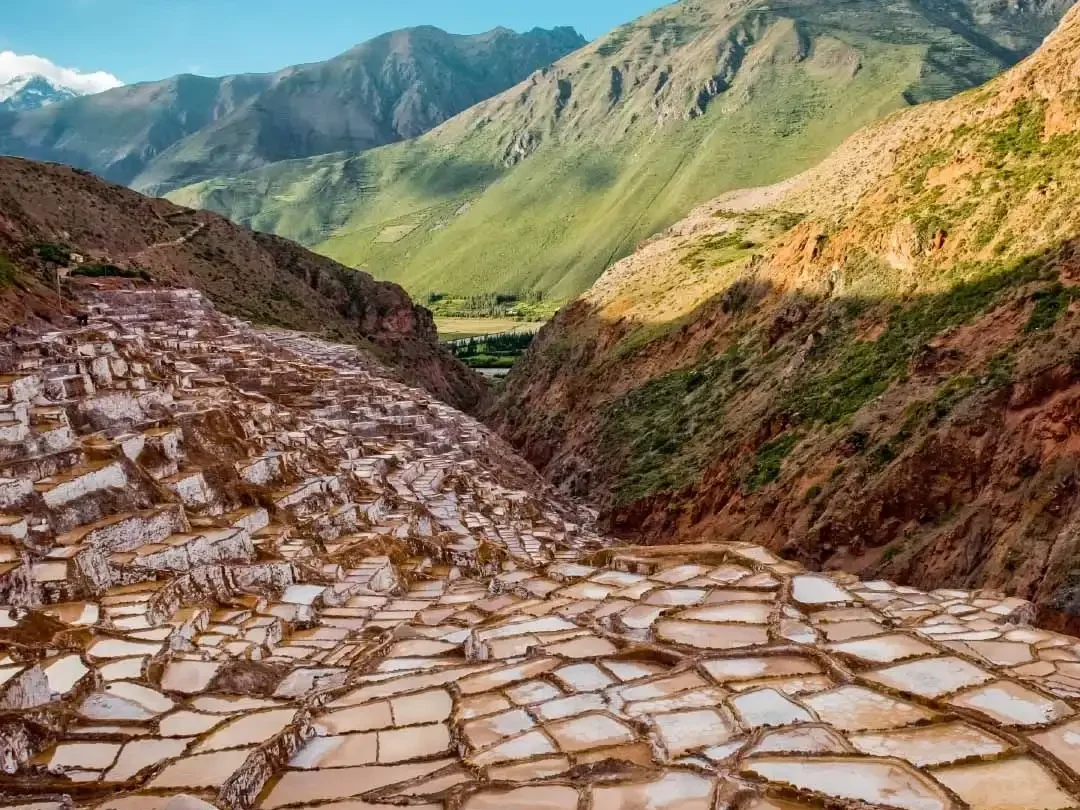
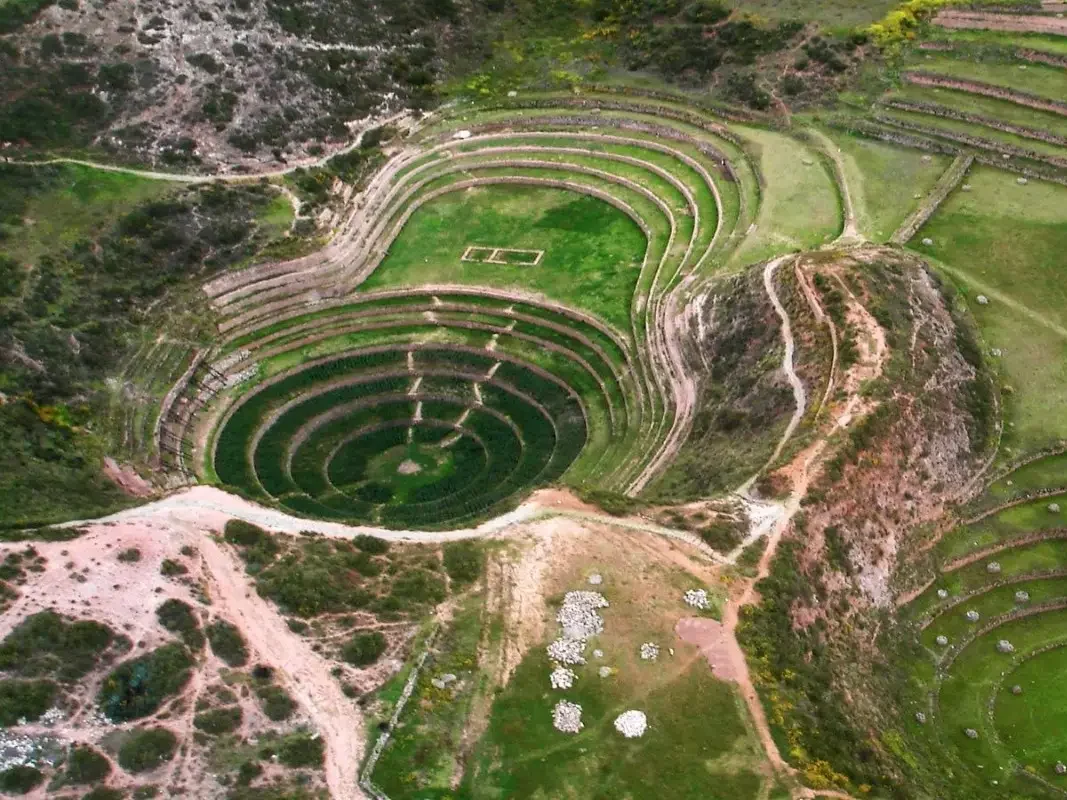
Nearby Extensions
- Moray → Agricultural experimentation site
- Maras Salt Mines → Active salt extraction system
These can be accessed as half-day or full-day extensions from Ollantaytambo.
How to Structure Your Time
The way you allocate time in Ollantaytambo defines the experience.
Short Stay, Transit Stop
- Visit main archaeological site
- Walk through old town
- One meal
Outcome: Basic coverage
1 Night Stay
- Add Pinkuylluna or short hike
- Explore food scene
- Slower pace through town
Outcome: Context + partial depth
2+ Nights (Recommended)
- Combine hikes + nearby sites (Moray, Maras)
- Multiple dining experiences
- Flexible pacing
Outcome: Full use of Ollantaytambo as a base
Positioning Within a Larger Itinerary
Ollantaytambo works best when integrated strategically:
- As a pre-Machu Picchu base
- As a recovery point after trekking routes
- As part of a broader Sacred Valley exploration
When paired with structured itineraries and high-quality accommodations, such as Sky Domes in surrounding regions, it helps maintain continuity between active segments and cultural exploration.
A More Efficient Way to Experience Ollantaytambo
Ollantaytambo is often treated as a checkpoint. In practice, it is one of the few places in the Sacred Valley where history, landscape, and daily life remain fully connected.
The difference comes down to time allocation.
Staying longer, and using it as a base, transforms it from a quick visit into a multi-layered experience that extends beyond the main ruins.