How to Get Last-Minute Tickets to Machu Picchu (2026 Reality Guide)
Arrived Without Tickets? Here’s What Actually Happens
Most trips to Machu Picchu are planned months in advance. Permits, circuits, timed entries, everything is structured to control demand. And once tickets sell out online, the assumption is simple: access is closed.
That’s not entirely true. There is still a way in. But it operates differently: offline, in-person, and with no guarantees.
This is where most travelers get it wrong. Not because the system is complex, but because execution defines the outcome.
Why Machu Picchu Tickets Sell Out
The restriction is not arbitrary, it’s structural.
- Daily visitor caps protect the site
- Entry is divided into circuits and time slots
- Demand is global and constant
Online availability disappears quickly because the system is designed that way.
The Only Way to Get Last-Minute Tickets
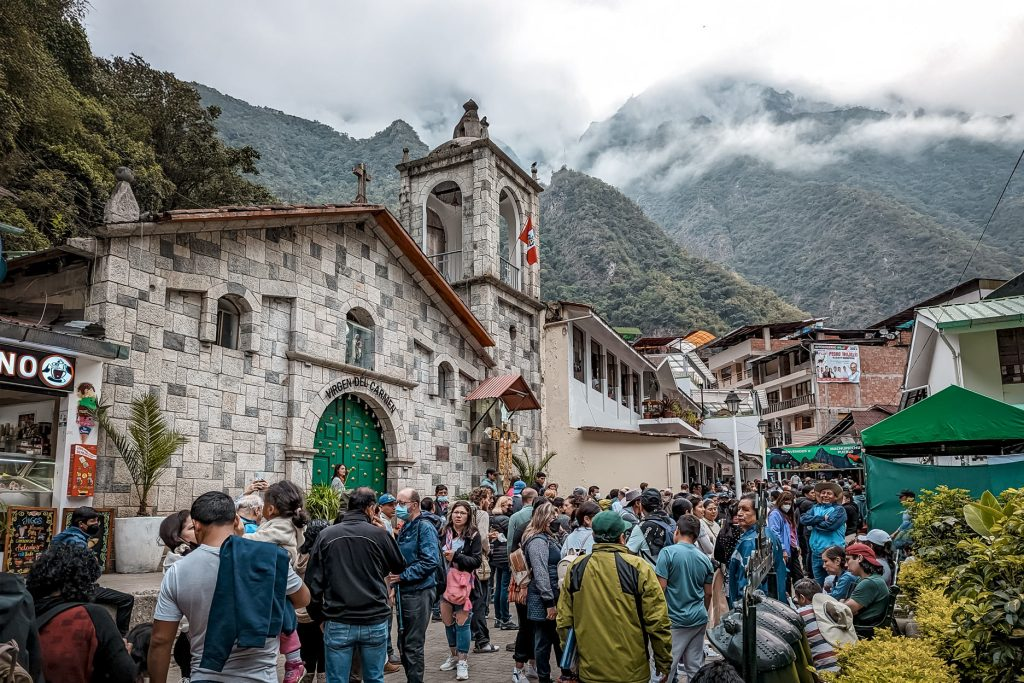
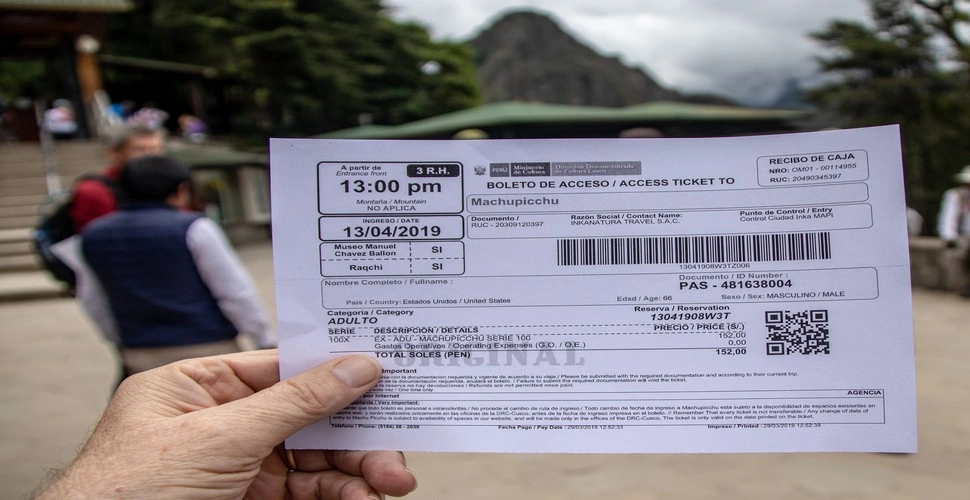
There is one legitimate path. Tickets are released daily in Aguas Calientes (the town below Machu Picchu), for next-day entry only.
- Approx. 1,000 tickets per day
- Sold exclusively at the Ministerio de Cultura office
- In-person purchase only
Non-negotiable requirements:
- Cash payment
- Physical passport or ID
- Personal attendance (no third-party purchase)
How the Process Actually Works
The process is simple in structure, but sensitive in timing.
1. Arrive Early to Aguas Calientes
Access begins with logistics.
- Train from Cusco or Ollantaytambo
- Early departures significantly improve positioning
This is not optional.
Arrival time directly impacts your probability.
2. Go Straight to the Ticket Office
Upon arrival:
- Do not check in to your hotel
- Do not stop for food
- Go to the queue
Position matters more than comfort at this stage.
3. Queue and Secure Your Ticket
Depending on the season:
- Lines can form quickly
- Availability is distributed progressively
4. Receive Your Entry Time
Tickets are issued for the following day.
- Afternoon entries are more common
- Circuit availability may be limited
Your itinerary adjusts after you secure entry, not before.
Your Chances: A Matter of Timing
This is not a fixed-outcome system.
- Higher probability: shoulder and low season
- Lower probability: peak dry season (June–August)
Clarity matters:
This is a probability model, not a guarantee.
Where Most Travelers Fail
The process itself is straightforward. The failure points are not.
- Arriving too late to compete effectively
- Misunderstanding where to go or when
- Poor coordination between trains and ticket timing
- Language friction during purchase
- No contingency planning if preferred slots are unavailable
A Structured Way to Approach It
This is where strategy replaces improvisation. Some travelers choose to approach this with a pre-defined system, where logistics, timing, and execution are aligned from the start.
What changes:
- Early train scheduling to maximize queue position
- Immediate transfer to the ticket office upon arrival
- On-ground guidance through the purchase process
- Pre-arranged hotel, return trains, and guiding
This does not eliminate uncertainty. But it optimizes every variable you can control.
A Practical Example: 2-Day Last-Minute Machu Picchu Plan
This is how a structured version typically unfolds.
Day 1: Cusco → Aguas Calientes
- Early pickup and transfer to Ollantaytambo
- First available train (typically 5:05 am or 6:10 am)
- Scenic transition from highlands to cloud forest
- Immediate arrival and transfer to ticket office
- Queue and secure next-day entry
- Hotel check-in after tickets are confirmed
The priority is clear:
Tickets first. Everything else after.
Day 2: Machu Picchu → Cusco
- Entry time based on ticket secured
- 2-hour guided visit of the citadel
- Flexible time in Aguas Calientes depending on schedule
- Evening train return to Ollantaytambo
- Transfer back to Cusco (arrival ~10 pm)
The structure adapts to the ticket, not the other way around.
Who This Approach Is Designed For
- Travelers already in Cusco without tickets
- Last-minute or spontaneous trips
- Visitors unfamiliar with the process
- Those who prefer guided execution over trial-and-error
Is It Worth Trying for Last-Minute Tickets?
Only under the right conditions.
Yes, if:
- You are flexible with timing and circuits
- You can act early and decisively
- You accept uncertainty as part of the process
No, if:
- You need guaranteed entry
- Your schedule is fixed
- You are traveling during peak demand with no margin
This Is a System, Not a Gamble
Last-minute access to Machu Picchu is real. But it’s not random. It’s a system defined by:
- Arrival timing
- Queue positioning
- On-ground execution
You can approach it casually and hope it works, or you can approach it with a structure designed to maximize your chances. That distinction is what usually determines the outcome.
A Clear Next Step
If you’re already in Cusco and considering this route, a structured 2-day plan, like the one operated by 69 Explorer, exists specifically for this scenario.