Salkantay Trek Accommodation: Lucmabamba — Where the Trek Becomes Experience
By the time you reach Lucmabamba, the Andes feel different. The altitude is no longer the challenge. The landscape is no longer exposed. And the pace changes.
What began as a high-altitude trek shifts into something more grounded, warmer, slower, and more connected to daily life in the valley. This is where the journey opens up.
Where You Are on the Route
Lucmabamba is the third overnight stop on the Salkantay Trek. You arrive here after descending fully into the Santa Teresa valley, leaving behind the high mountains and moving into a lower, more productive landscape.
This stop plays a clear role:
- Entry into the jungle edge of the route
- Cultural and agricultural transition point
- Final recovery stage before Machu Picchu access
At around 2,000 meters, altitude is no longer a limiting factor. The body stabilizes, and energy returns.
The Setting
Lucmabamba is defined by life.
The environment is no longer dominated by rock and ice, but by vegetation, agriculture, and movement.
- Warm, humid climate
- Surrounded by plantations and small farms
- Green, layered landscape with constant activity
Coffee, fruits, and local crops shape the terrain. This is not just a place you pass through, it’s a place people live and work.
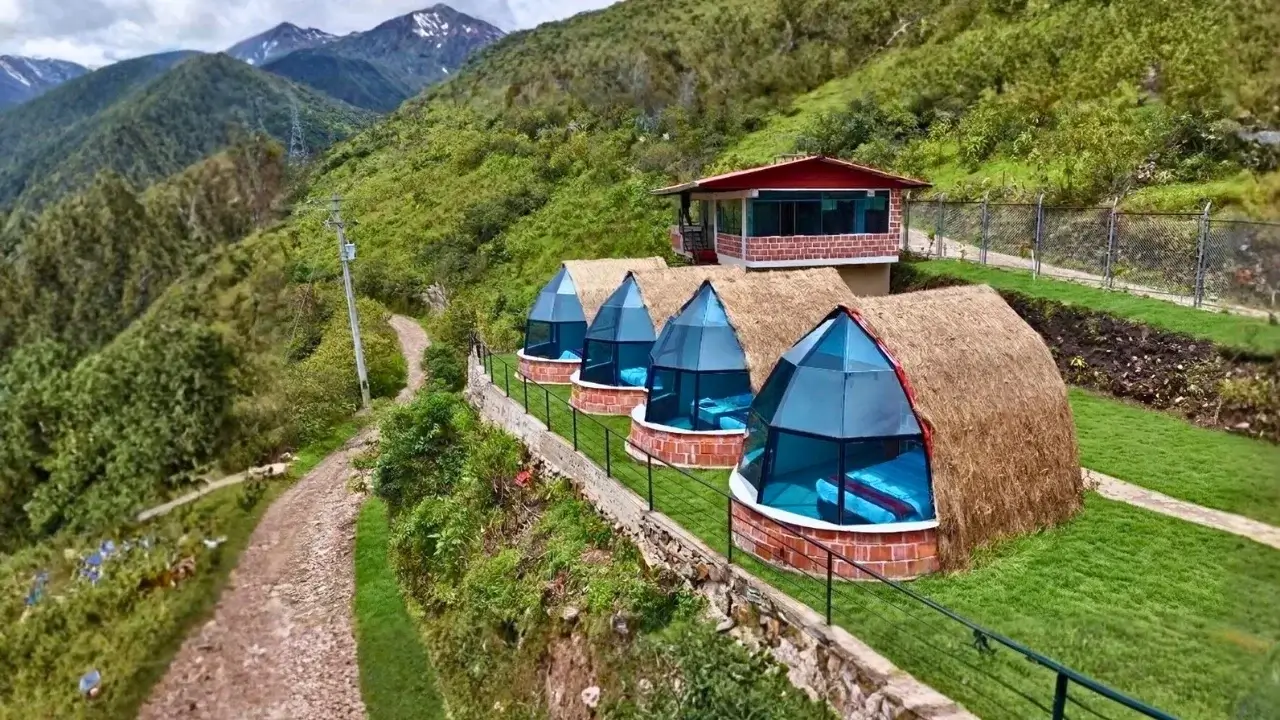
The SkyDome Experience
At this stage, comfort becomes part of the experience, not just recovery.
Lucmabamba is positioned as a soft landing into the final phase of the journey, where accommodation blends with the surrounding environment and local activities.
The Domes
Set within a greener, more enclosed landscape, the domes shift again in feel.
- Integrated into vegetation and farmland
- More privacy and separation
- A quieter, more settled atmosphere
The experience is less about exposure, and more about staying within the environment.
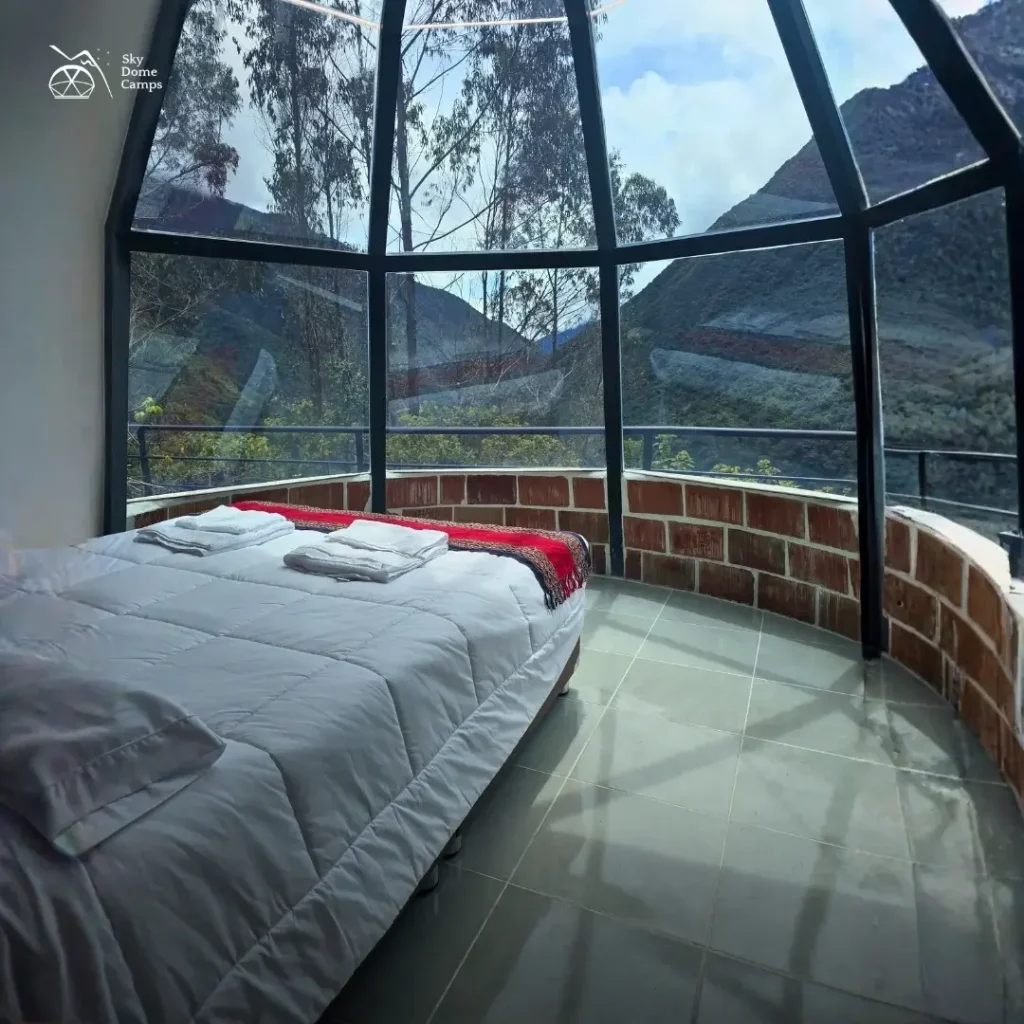
Inside the Dome
This is the most comfortable stage of the trek.
- Real beds in a stable, warm climate
- No altitude pressure
- A more relaxed, livable space
After multiple days on the trail, this is where the body fully resets.
Facilities & Setup
Lucmabamba brings together comfort and connectivity:
- Private bathrooms and hot showers
- Dining area with full service
- WiFi access
What Makes Lucmabamba Different
This stop expands the experience beyond trekking.
- Lowest altitude of the route
- Warmest and most stable climate
- Closest connection to local agriculture
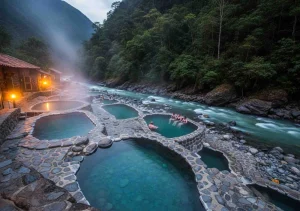
- Access to nearby experiences like the Cocalmayo hot springs and plantations
It’s the only point where the trek blends directly with local life.
A Typical Night Here
Arrival feels lighter. There’s no urgency, no physical strain carrying over from the day.
Instead, the flow opens up:
- Arrival into a warmer environment
- Time to rest, explore, or engage in local activities
- Dinner in a more social, relaxed setting
This is where the experience becomes flexible: where the trek allows space for something more than just hiking.
Who This Stop Is For
Lucmabamba works best for travelers who:
- Want a more relaxed and comfortable final stage
- Are interested in local culture and agriculture
- Value variety beyond pure trekking
It can feel less impactful if:
- You’re only focused on high-altitude mountain scenery
- You prefer remote, isolated environments
This is a transition into a different kind of experience.
How It Fits Into the Full Experience
Lucmabamba completes the progression.
- Soraypampa → Exposure and altitude
- Collpapampa → Recovery and transition
- Lucmabamba → Integration and expansion
It prepares you for the final approach to Machu Picchu, not physically, but mentally.
Practical Snapshot
- Altitude: 2,000 m
- Temperature: Warm and humid
- Facilities: Domes + dining + private bathrooms + WiFi
- Difficulty (arrival day): Moderate
- Connectivity: Available
Closing Thought
Lucmabamba is where the trek stops being only about the mountains. And starts becoming about everything around them.
Would you like to get more information about dates and availability? Check here.