Ultimate Guide to Lucmabamba
What Makes Lucmabamba One of the Best Parts of the Salkantay Trek?
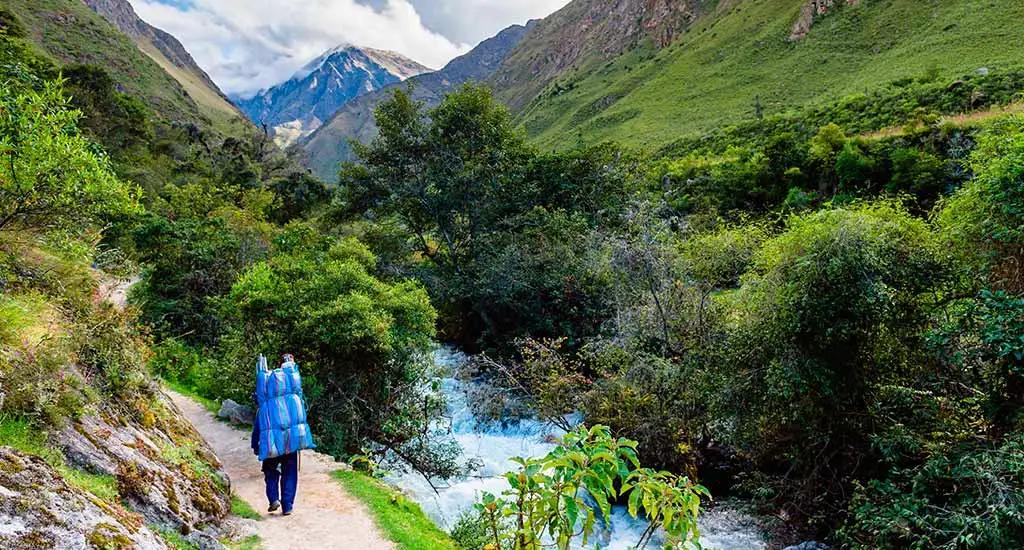
Lucmabamba is where the Salkantay Trek changes completely. After days of high-altitude hiking, you drop into a warm, green cloud forest filled with coffee farms, rivers, and dense vegetation.
This is not just another campsite. It’s the moment where the trek shifts from pure physical challenge to a more immersive experience, with better weather, more comfort, and meaningful local activities.
For many trekkers, Lucmabamba ends up being one of the most memorable stops on the entire route.
Where Is Lucmabamba and Why Does It Matter?
Lucmabamba is located on the third day of most Salkantay itineraries, at around 2,000–2,100 meters above sea level.
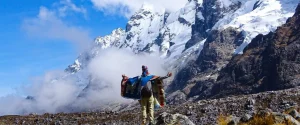
By the time you arrive, you’ve already crossed the Salkantay Pass and descended through changing ecosystems. This makes Lucmabamba a natural transition point between the Andes and the jungle.
This shift is important for two reasons:
- Your body finally gets a break from altitude
- The environment becomes more diverse and experience-focused
That’s why most well-designed itineraries slow down here instead of rushing through.
What Is Lucmabamba Like?
Lucmabamba sits in a lush valley surrounded by mountains covered in vegetation. The air is warmer, the landscape is greener, and the pace feels slower.
Instead of rocky trails and cold nights, you’ll find:
- Coffee plantations
- Fruit trees and small farms
- A humid, subtropical climate
- A quiet, rural atmosphere
It feels more like arriving in a living landscape than just passing through it.
Accommodation in Lucmabamba: What Should You Expect?
Lucmabamba is often where accommodation improves significantly compared to earlier nights on the trek.
Depending on your tour, you’ll typically find:
- Basic campsites (standard trekking setup)
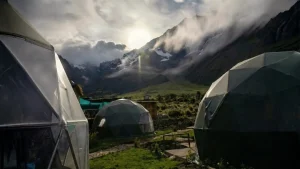
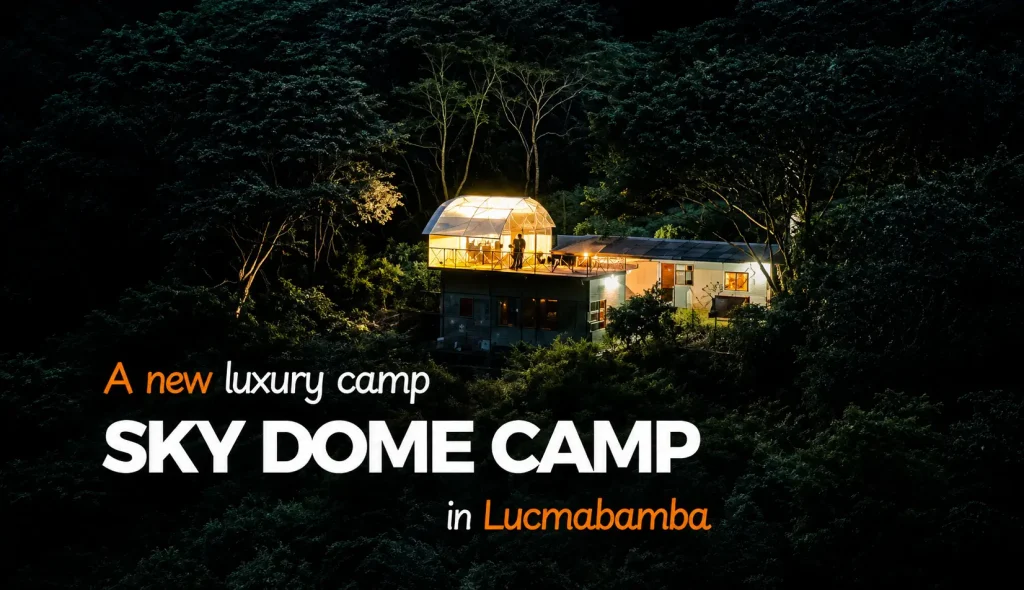
- More comfortable lodge-style stays or dome accommodations
This stop is important because it allows you to recover. After the toughest days of the trek, having access to better food, showers, and a more relaxed environment makes a big difference.
Well-designed experiences here focus on:
- Comfort without losing the natural setting
- Social atmosphere with other trekkers
- A proper reset before the final stretch
The Coffee Experience in Lucmabamba
Lucmabamba is part of a coffee-growing region, and visiting a local farm is one of the most authentic experiences you can have on the Salkantay Trek.
A typical coffee tour includes:
- Walking through the plantation
- Learning how beans are harvested
- Roasting and grinding coffee manually
- Tasting freshly prepared coffee
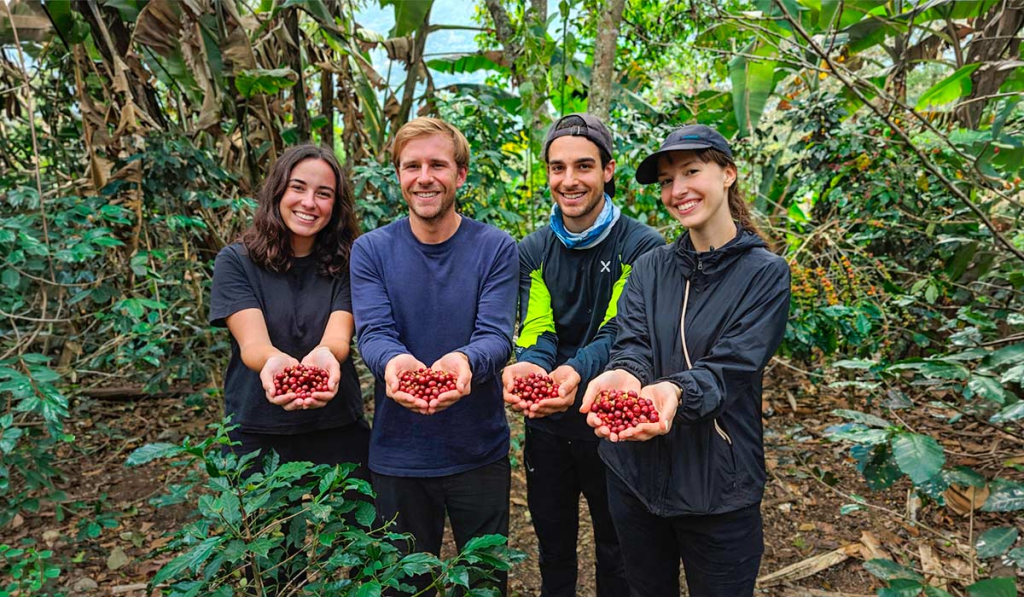
What makes this special is that it’s not staged. These are small, working farms, and the experience connects you directly with local families and their daily work.
It’s a simple activity, but it often becomes one of the most memorable parts of the trek.
Top Things to Do in Lucmabamba
Coffee Tour (Must-Do Experience)
If your itinerary includes it, don’t skip it. The coffee experience adds depth to the trek and gives you a break from hiking while still feeling connected to the place.
Ziplining in Lucmabamba
Ziplining is one of the most popular optional activities in the Lucmabamba area, usually done on the afternoon of arrival.
What to expect:
- Lines crossing over the valley and river
- Short but fast-paced experience
- Multiple cables depending on the operator
It’s a good option if you want to add a bit of adrenaline without taking too much time or energy away from the trek.
Cocalmayo Hot Springs (Santa Teresa)
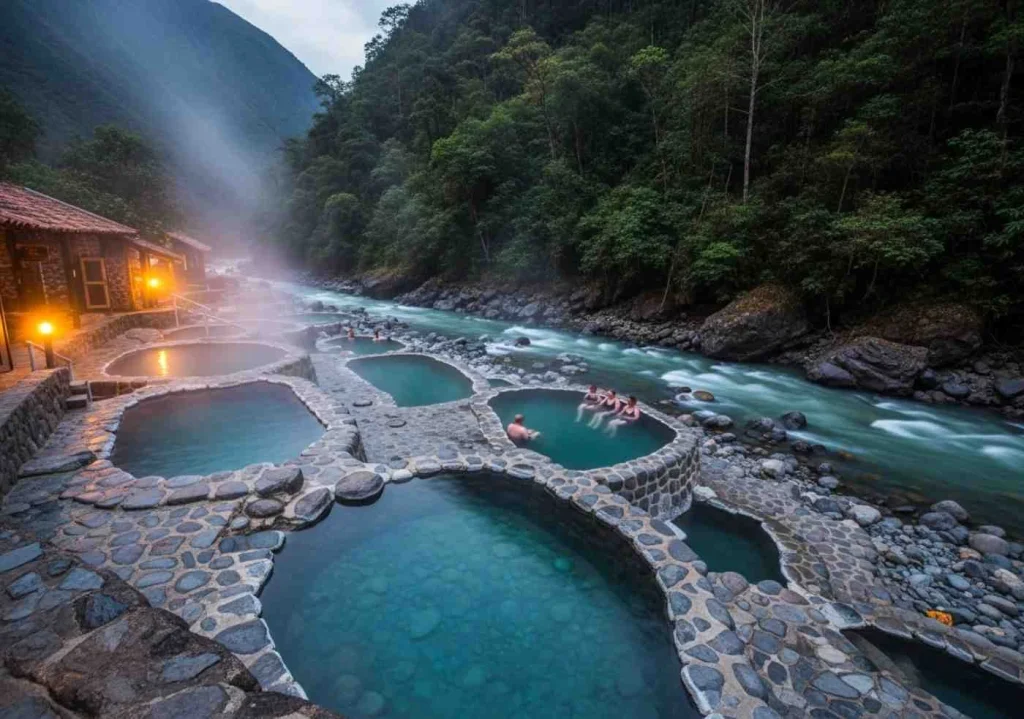
Located near Santa Teresa, about a short drive from Lucmabamba, Cocalmayo is one of the best natural hot springs in the region.
Key details:
- Multiple pools with temperatures between 38°C and 44°C
- Set next to a river in a jungle environment
- Best visited in the late afternoon or evening
After several days of trekking, this is one of the best recovery experiences you can have. It’s simple, but extremely effective.
Lucmabamba vs Santa Teresa: Where Should You Stay?
Here’s a quick comparison to help you decide:
| Factor | Lucmabamba | Santa Teresa |
|---|---|---|
| Experience | Immersive and quiet | More town-like |
| Activities | Coffee, zipline | Hot springs |
| Atmosphere | Nature-focused | Local town vibe |
| Best for | Trek experience | Relaxation and logistics |
If your goal is to feel part of the trek, Lucmabamba is the better choice. Santa Teresa works better as a side visit for hot springs rather than a main overnight stop.
What Happens After Lucmabamba?
From Lucmabamba, most routes continue in one of two ways:
- Hiking to Llactapata for a first distant view of Machu Picchu
- Heading toward Hidroelectrica and continuing on foot to Aguas Calientes
This is why Lucmabamba matters. It’s the last moment to slow down before the final push toward Machu Picchu.
Practical Tips for Visiting Lucmabamba
- Weather: Warm and humid, especially compared to previous days
- Clothing: Lightweight layers, quick-dry clothes
- Essentials: Insect repellent, sunscreen, and a swimsuit
- Energy: Use this stop to recover, not overexert
Planning your energy well here will make the last part of the trek much more enjoyable.
Is Lucmabamba Worth It?
Yes, and not just as a stop along the way.
Lucmabamba adds balance to the Salkantay Trek. It combines rest, culture, and nature in a way that few other sections of the route do. If your itinerary treats it as more than just a campsite, it will likely become one of the highlights of your entire trip.