How to Place the Salkantay Trek Inside Your Peru Itinerary
A Practical Guide to Timing, Acclimatization, and Travel Flow
Why the Position of Salkantay Matters More Than Most Travelers Expect
When planning a trip to Peru, most itineraries are organized around destinations, typically Lima, Cusco, and eventually Machu Picchu.
However, multi-day high-altitude treks operate under very different constraints than standard sightseeing travel. The Salkantay Trek is not simply another activity to insert into available dates. Its placement directly influences acclimatization, energy levels, recovery, and overall enjoyment of the trip.
Well-structured Peru itineraries treat the trek as a central phase of the journey, not an isolated excursion.
The Role of Salkantay Within a Peru Trip
Salkantay typically becomes one of the most physically demanding segments of a Peru itinerary. Over several days, travelers move through high mountain environments, cross significant elevation changes, and maintain sustained physical activity.
Because of this, the trek functions as:
- a peak adventure experience
- an altitude-intensive portion of the trip
- a period requiring both preparation and recovery
Placing it randomly, either immediately after arrival or just before international departure, often creates avoidable fatigue and logistical stress.
Instead, experienced planners position Salkantay where it supports the natural rhythm of travel.
The Golden Rule: Acclimatization Comes First
Altitude adaptation remains the single most important factor when scheduling the trek.
Arriving directly in Cusco already places travelers at over 3,300 meters above sea level. Beginning a high-altitude trek too soon significantly increases discomfort and reduces enjoyment during the first hiking days.
A more effective progression usually follows this sequence:
- Arrival in Cusco
- Light exploration and rest
- Gradual exposure through lower-altitude excursions
- Trek departure after adaptation begins
This approach allows the body to adjust progressively rather than react under physical stress.
What to Do Before the Salkantay Trek
Pre-trek days should serve a functional purpose: preparation rather than exhaustion.
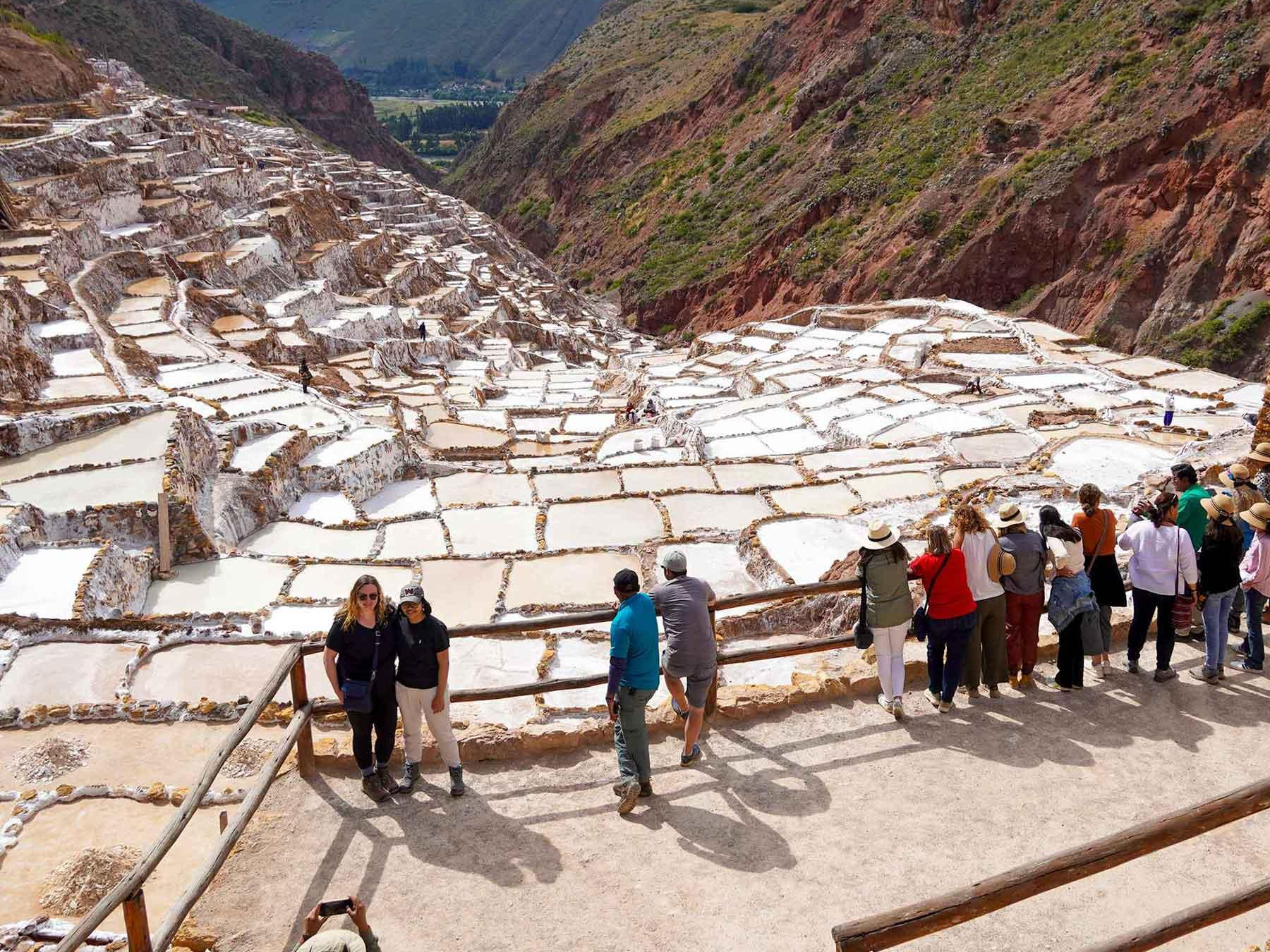
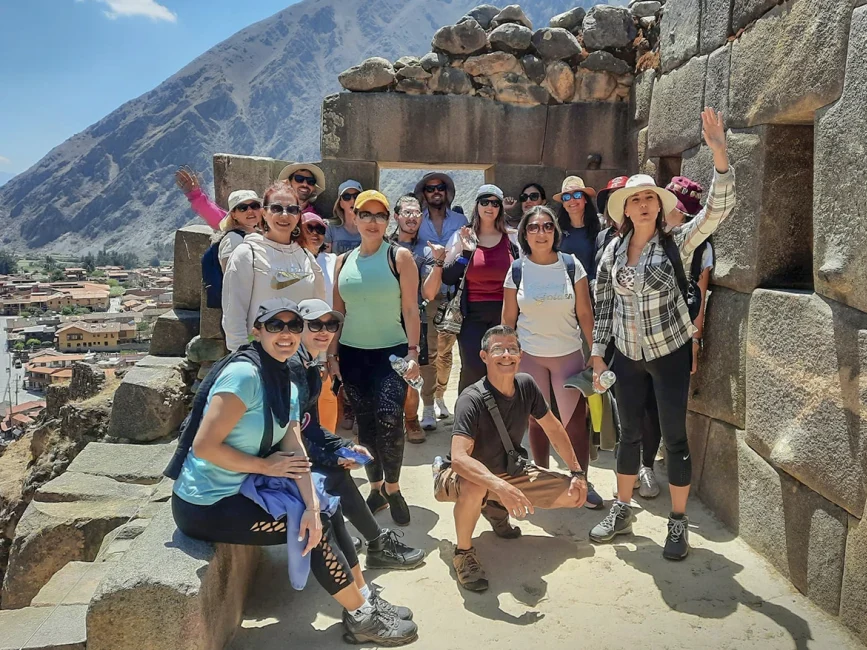
Activities before Salkantay ideally combine movement with moderate altitude exposure. The Sacred Valley plays an important role here due to its slightly lower elevation and accessible cultural sites.
Suitable pre-trek experiences include:
- Sacred Valley exploration
- archaeological visits
- short hikes or active excursions
- relaxed mobility days between transfers
These activities help travelers adapt physically while maintaining energy reserves for the trek itself.
What to Do After the Trek
Many travelers underestimate how the body feels after completing Salkantay. Even strong hikers experience accumulated fatigue following consecutive mountain days.
For this reason, post-trek planning benefits from a softer transition.
The most logical continuation is visiting Machu Picchu immediately after the trek, when logistical routes naturally converge. Following this highlight, itineraries often improve by shifting toward recovery-oriented experiences or lower elevation destinations.
Scheduling demanding activities immediately after the trek rarely enhances the experience.
Three Proven Peru Itinerary Structures
Structure A — Classic First-Time Peru Route
Lima → Cusco → Sacred Valley → Salkantay Trek → Machu Picchu
Allows gradual acclimatization and positions the trek as the central adventure of the journey.
Structure B — Adventure-First Approach
Cusco → Acclimatization Days → Salkantay Early → Cultural Exploration After
Ideal for travelers prioritizing hiking while keeping later days flexible and relaxed.
Structure C — Extended Andes Journey
Cusco → Sacred Valley → Trek → Recovery → Southern Andes or Other Regions
Works well for longer itineraries seeking balance between adventure and exploration.
Common Itinerary Mistakes
Several recurring planning decisions tend to reduce overall trip quality:
- Starting the trek within 24–48 hours of arriving in Cusco
- Scheduling international flights immediately after finishing the hike
- Omitting recovery days entirely
- Overloading post-trek schedules with additional long excursions
Most of these issues originate from treating the trek as a standalone activity rather than an integrated travel phase.
Planning Matrix: When Should Salkantay Happen?
| Travel Goal | Best Moment for Salkantay | Why It Works |
| First visit to Peru | Mid-itinerary | Allows acclimatization before effort |
| Limited travel time | Early-middle | Maximizes recovery afterward |
| Adventure-focused trip | Early | Sets pace for the journey |
| Comfort-focused travel | Later | Confidence improves after adaptation |
| Multi-region itinerary | Middle segment | Balances energy across destinations |
Ideal Minimum Timeline for Including Salkantay
While the trek itself lasts only a few days, its success depends on surrounding logistics.
8–10 days in Peru
Possible with careful pacing and limited additional destinations.
12–14 days
Often provides the most balanced experience, allowing acclimatization, trekking, and recovery.
Two weeks or more
Creates flexibility to explore Peru without compressing physically demanding segments.
The objective is not simply fitting the trek into the itinerary, but allowing sufficient margin for adaptation and rest.
A Well-Placed Trek Changes the Entire Trip
The Salkantay Trek tends to become one of the defining experiences of a journey through Peru, but only when integrated thoughtfully into the broader travel plan.
Positioned correctly, it enhances acclimatization, improves energy management, and allows travelers to arrive at Machu Picchu with a strong sense of progression. Poor sequencing, by contrast, often amplifies fatigue rather than enjoyment.
In Peru, timing is not only logistical. It shapes how the entire journey is experienced.

Related Articles
The Ultimate Salkantay Trek Planning Guide