Is the Salkantay Trek Worth It If You Hate Camping?
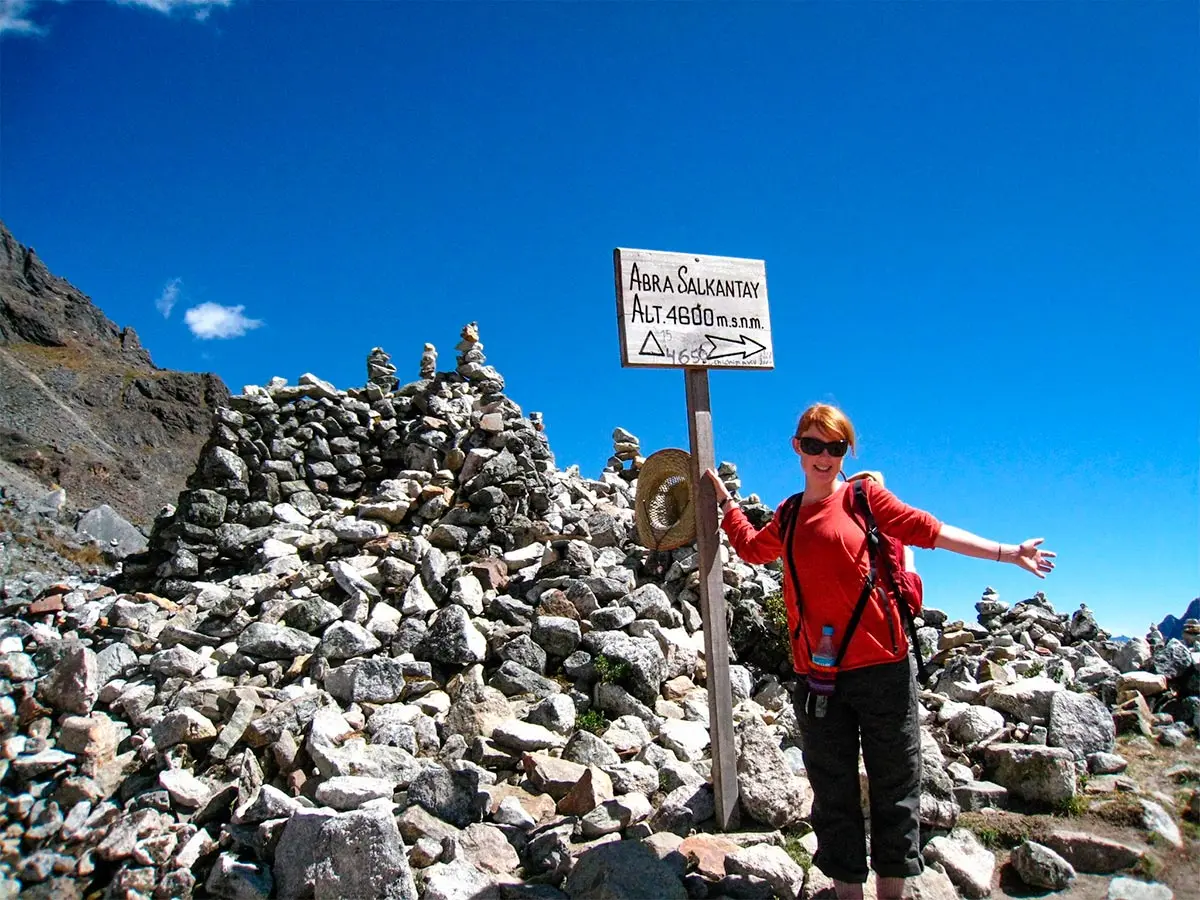
The Salkantay Trek is widely considered the most scenic route to Machu Picchu. It crosses high alpine passes, glacial valleys, and lush Cloud Forest before reaching the edge of the Incan sanctuary. For many travelers, it offers greater landscape diversity and fewer crowds than the regulated Inca Trail.
Yet one concern stops many people from booking it: camping.
If you dislike tents, shared facilities, and cold nights at altitude, is the Salkantay Trek still worth it?
The answer depends entirely on how you choose to experience it.
What People Actually Mean When They “Hate Camping”
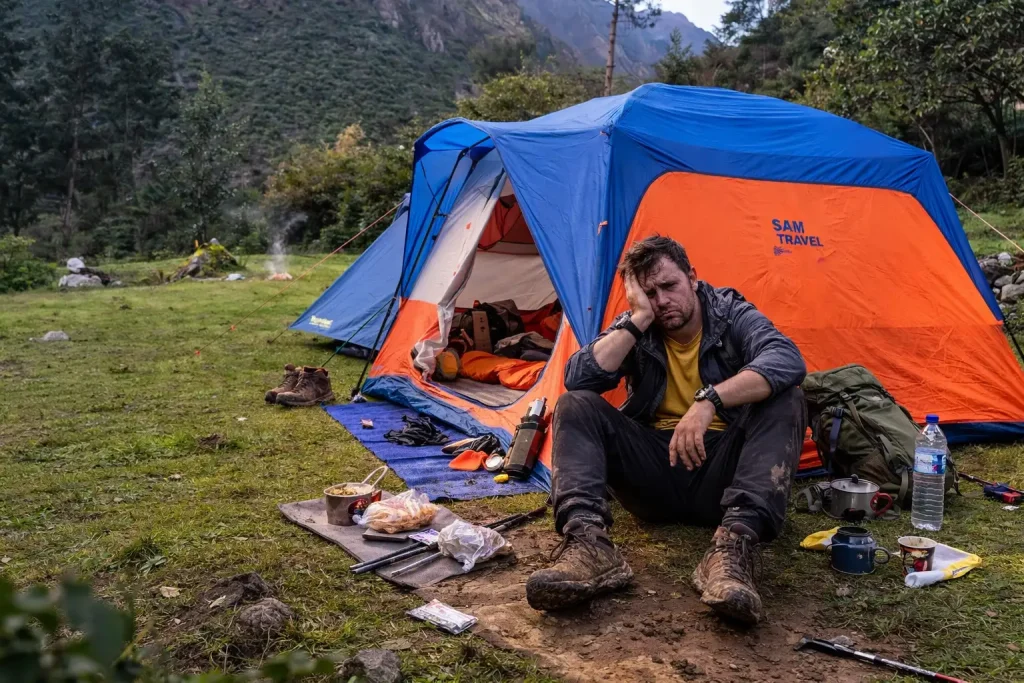
Very few travelers dislike the mountains themselves. What they usually dislike is the loss of comfort after a demanding day of hiking.
Traditional trekking setups typically involve:
- Sleeping mats inside shared tents
- Outdoor or shared bathroom facilities
- Basic camp-style meals
- Limited insulation at high altitude
At 4,200 to 4,650 meters above sea level, recovery matters. Poor sleep and exposure to cold can affect energy levels, mood, and overall enjoyment of the trek.
The landscapes remain extraordinary. The discomfort is what creates hesitation.
The Salkantay Experience Beyond the Tent
The Salkantay route itself is not the issue. In fact, it is one of the most complete Andean journeys available. Over four to five days, you experience:
- Humantay Lake (4,200m) beneath glacier walls
- Salkantay Pass (4,650m), the highest point of the trek
- The ecological transition from high-altitude puna to Cloud Forest
- A remote approach toward Machu Picchu
This geographic progression, from glacier to jungle, is what makes Salkantay exceptional. The challenge is physical, but it is also deeply scenic and immersive. When camping conditions are upgraded, the trek reveals its full potential.
What Changes with Luxury Glamping?
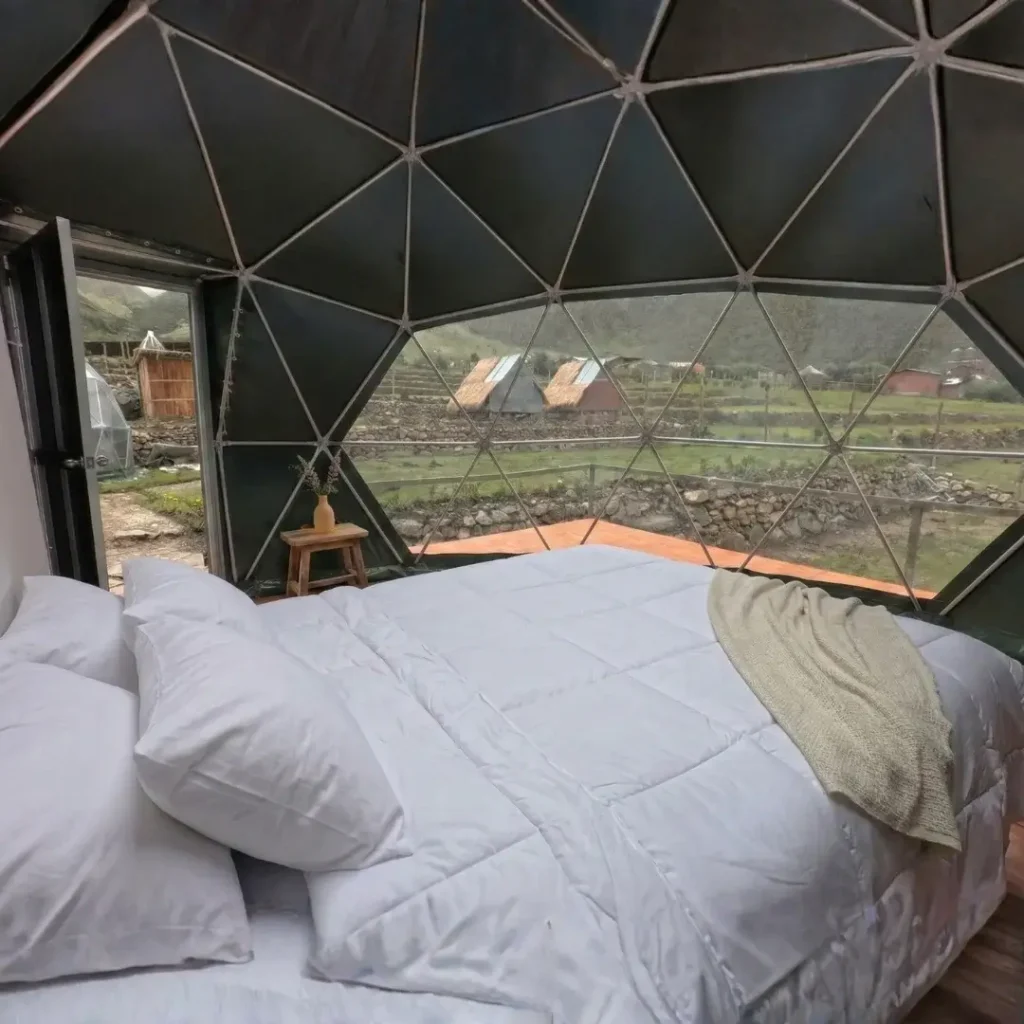
Modern infrastructure along key sections of the route has redefined what overnight trekking can look like. Instead of traditional tents, select camps now offer:
- Panoramic glass domes with full insulation
- Queen-sized beds with proper bedding
- Private en-suite bathrooms with hot showers
- Chef-prepared multi-course meals in dedicated dining spaces
- Recovery amenities such as sauna and jacuzzi in the Cloud Forest sector
The route remains identical. The physical effort remains real. What changes is the quality of rest between stages.
Why Comfort Enhances the Trek — It Doesn’t Diminish It
There is a misconception that comfort weakens adventure. In reality, intelligent design strengthens it.
When you sleep well and recover properly:
- Altitude feels more manageable
- Energy remains consistent across multiple days
- Physical strain is balanced by restorative evenings
- The experience becomes sustainable rather than exhausting
You still climb to 4,650 meters. You still cross a high Andean pass. You still walk into Machu Picchu after days on foot. The difference is that you arrive clear-headed and present, not depleted.
Who Should Consider This Version of Salkantay?
A comfort-enhanced Salkantay experience is especially valuable for:
- Couples seeking privacy in the mountains
- Travelers celebrating a honeymoon or milestone trip
- Adventurers over 35 who value quality sleep
- Guests who appreciate refined dining and private facilities
- Anyone drawn to trekking but hesitant about traditional camping
So, Is It Worth It?
If you hate camping in its traditional form, the classic tent-based Salkantay trek may not align with your expectations.
However, the route itself its geography, scale, and progression toward Machu Picchu remains one of Peru’s most compelling journeys.
When supported by elevated accommodation and thoughtful logistics, the Salkantay Trek becomes not only worth it, but transformative.