Is the Salkantay Trek Right for You?
A Practical Guide to Matching the Trek With Your Travel Style
Not Every Traveler Experiences Salkantay the Same Way
The Salkantay Trek has quickly become one of the most researched alternatives for reaching Machu Picchu. It is frequently presented as a scenic or less crowded option. Often described through elevation gain, hiking distance, or landscape highlights.
Yet travelers rarely struggle because the trek is misunderstood physically. More often, expectations simply do not match the nature of the experience.
Salkantay is not defined only by difficulty. It is defined by how you prefer to experience travel itself. Understanding that distinction is usually the difference between an unforgettable journey and an unnecessarily demanding one.
What the Salkantay Trek Actually Demands
Unlike technical alpine routes, Salkantay does not require mountaineering skills. Trails are generally well established, and daily progress follows structured expedition logistics.
What defines the experience instead is continuity.
Over multiple days, hikers remain exposed to altitude, changing weather conditions, and long transitions between ecological zones. From high Andean Mountain environments to subtropical cloud forest. Hiking becomes less about isolated effort and more about sustaining energy across consecutive days.
The challenge accumulates gradually. Recovery between stages matters as much as physical conditioning itself.
The Experience in Context: How Salkantay Differs From Other Routes
Many travelers compare Salkantay to other ways of visiting Machu Picchu, yet the experience operates under a different philosophy.
Routes departing from Cusco often emphasize cultural interpretation, archaeological visits, or logistical efficiency. Salkantay prioritizes environmental immersion instead.
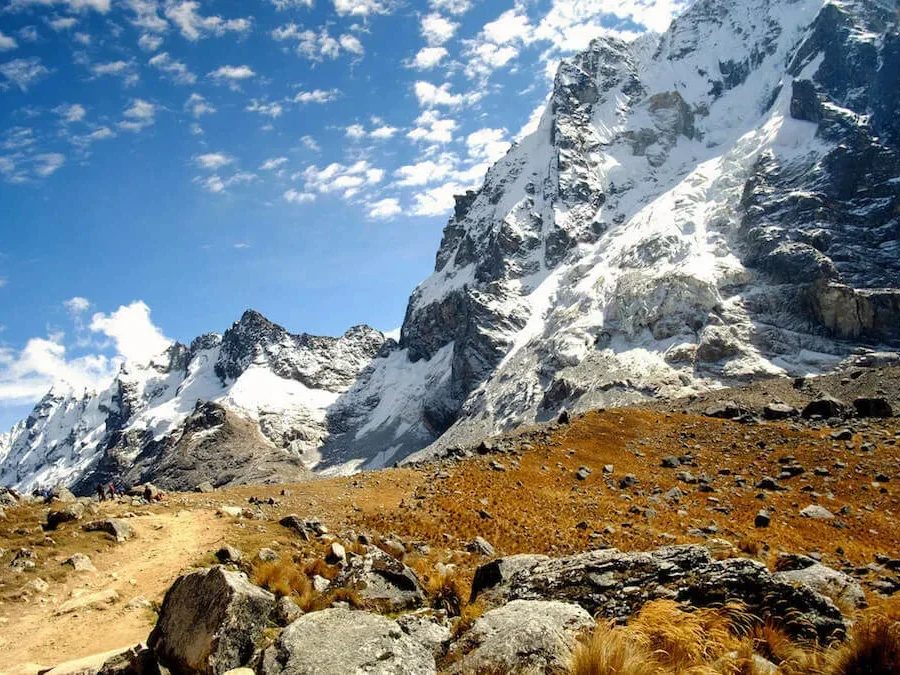
The focus shifts away from monuments toward landscape scale glaciers, valleys, remote camps, and the progression of moving through terrain rather than arriving quickly at a destination.
For travelers seeking structured sightseeing, alternative itineraries may feel more comfortable. For those drawn to movement and wilderness exposure, Salkantay tends to resonate strongly.
Traveler Profiles: Who Typically Thrives on Salkantay
The Backcountry-Oriented Traveler
Travelers accustomed to hiking or outdoor environments often find Salkantay naturally rewarding. The appeal lies in remoteness, open landscapes, and sustained engagement with the mountains rather than curated stops.
The Achievement-Motivated Explorer
Some visitors are drawn to experiences that require commitment. Completing a multi-day trek adds meaning to the arrival at Machu Picchu, transforming it into the conclusion of a journey rather than a standalone visit.
The Nature-First Traveler
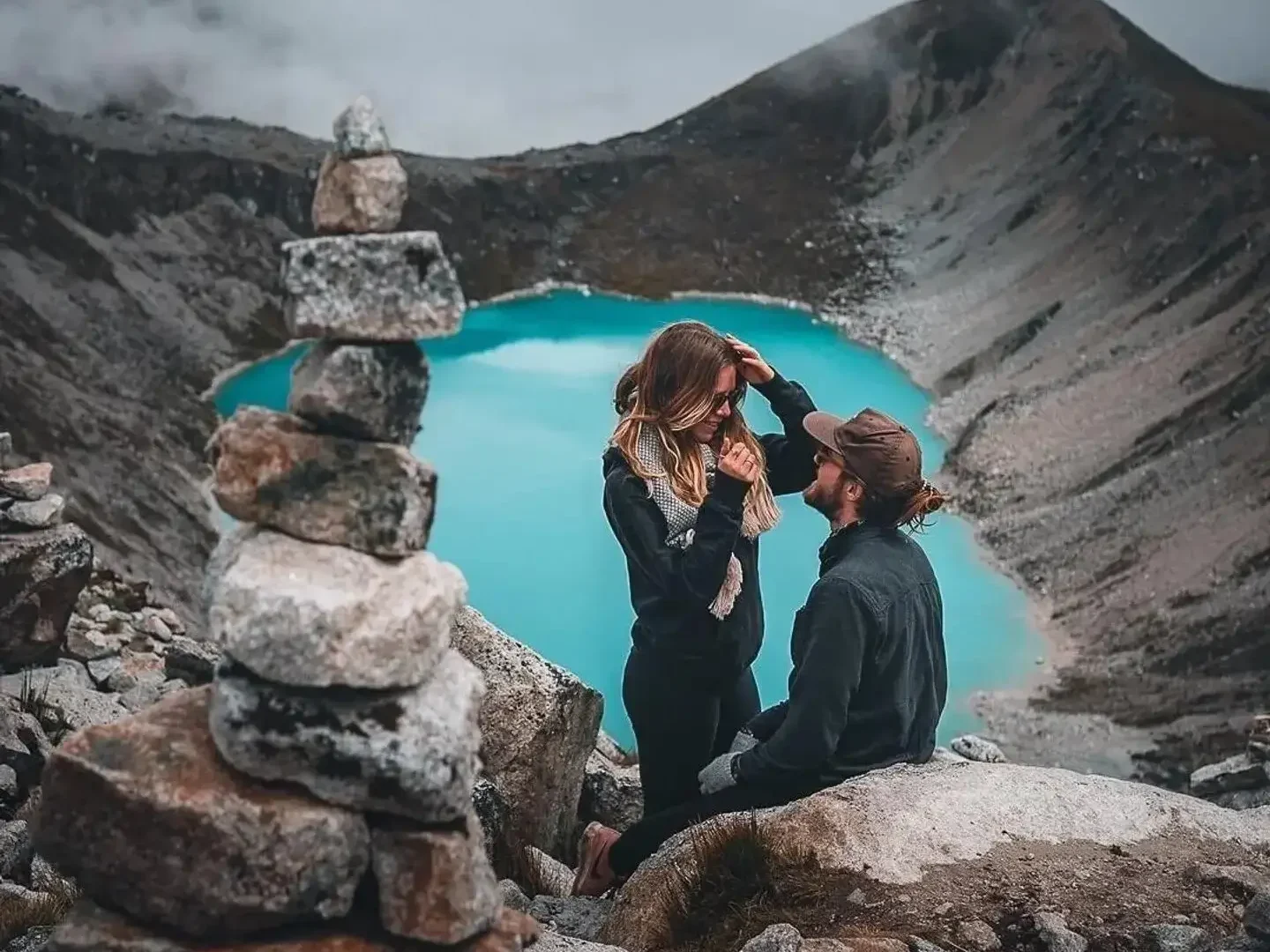
For those primarily interested in ecosystems and scenery, Salkantay delivers exceptional diversity. Snow-covered peaks, alpine lakes, and cloud forest transitions create constant environmental change throughout the route.
The Adventure Traveler Seeking Structure
Salkantay also suits travelers who want adventure supported by professional logistics: guided pacing, organized camps, and coordinated transport without sacrificing the feeling of expedition travel.
Who May Enjoy Other Experiences More
Salkantay is not universally ideal, and recognizing this early often improves travel decisions.
Travelers whose main objective is simply visiting Machu Picchu may prefer routes involving rail access or shorter excursions. Likewise, visitors uncomfortable with consecutive hiking days or limited mountain infrastructure may find the experience more demanding than expected.
Tight travel schedules can also reduce enjoyment if acclimatization time is insufficient before starting the trek.
Choosing a different experience does not represent a compromise, only a better alignment between expectations and reality.
Physical Difficulty vs Experiential Difficulty
One of the most common misconceptions surrounding the Salkantay Trek is that difficulty depends primarily on strength or endurance.
In practice, perceived difficulty emerges from three interacting factors:
- altitude adaptation
- cumulative fatigue
- recovery quality between hiking days
Even well-conditioned hikers notice that sleep quality, temperature management, and daily recovery influence performance more than raw fitness. When recovery improves, the trek often feels significantly more manageable without changing the physical challenge itself.
Choosing the Right Version of the Salkantay Trek
Different itineraries reshape how the experience unfolds.
5-Day Trek — Maximum Immersion
A gradual pace allows more adaptation to altitude and deeper engagement with the surrounding landscapes. This version favors travelers prioritizing experience over efficiency.
4-Day Trek — Balanced Approach
Maintains immersion while reducing overall travel time. Often considered the most balanced option between challenge and logistical practicality.
Designed for experienced hikers or travelers with limited schedules. Daily distances increase, making pacing and recovery more important.
Selecting itinerary length based on comfort with sustained effort, rather than available vacation days, typically leads to better outcomes.
Decision Matrix — Is Salkantay the Right Match?
| Your Travel Priority | Salkantay Is a Strong Fit If… | You May Prefer… |
| Remote landscapes | You value isolation and mountain environments | Sacred Valley or cultural tours |
| Physical engagement | Hiking enhances your travel experience | Scenic train access |
| Personal challenge | Effort adds meaning to arrival | Direct Machu Picchu visits |
| Nature immersion | Landscapes matter more than sites | Archaeological-focused routes |
| Multi-day adventure | You enjoy progression across days | Day-based excursions |
The Often-Overlooked Factor: Recovery Between Days
Many travelers focus preparation almost entirely on hiking performance, yet recovery conditions frequently determine overall enjoyment.
Consistent warmth, protected dining environments, and adequate rest influence how each following day feels on the trail. Comfortable recovery does not remove the adventure, it allows travelers to sustain it.
Across multi-day high-altitude treks, energy conservation becomes one of the most important yet least visible components of success.
The Right Trek for the Right Traveler
The Salkantay Trek is neither the easiest nor the most difficult way to reach Machu Picchu. Its defining characteristic is immersion.
For travelers motivated by landscapes, progression, and time spent moving through remote environments, the trek often becomes a highlight of their journey in Peru. For others seeking efficiency or comfort continuity, alternative experiences may provide greater satisfaction.
Ultimately, the best trek is not the most popular one, but the one aligned with how you want to experience the Andes.

Related Articles
Best hotel in Pacchanta – Sky domes