The Ultimate Salkantay Trek Planning Guide
A Logistics, Difficulty & Preparation Manual
The Salkantay Trek is often presented as a scenic alternative to the Inca Trail. That description is incomplete.
Salkantay is a high-altitude mountain corridor that requires logistical clarity, physical preparation, and realistic expectations. If you plan it correctly, it becomes one of the most coherent ways to approach Machu Picchu. If you underestimate it, altitude and exposure will dictate the experience for you.
This guide focuses on execution: when to go, how hard it really is, how to train, what to pack, how to choose between tents and domes, and what mistakes to avoid.
1. Quick Overview: What You’re Signing Up For
- Total distance: 60–72 km (depending on version)
- Highest point: Salkantay Pass (~4,650m / 15,255 ft)
- Duration options: 3, 4, or 5 days
- Accommodation formats: Tents or upgraded dome camps
- Finish: Arrival to Machu Picchu (via Aguas Calientes)
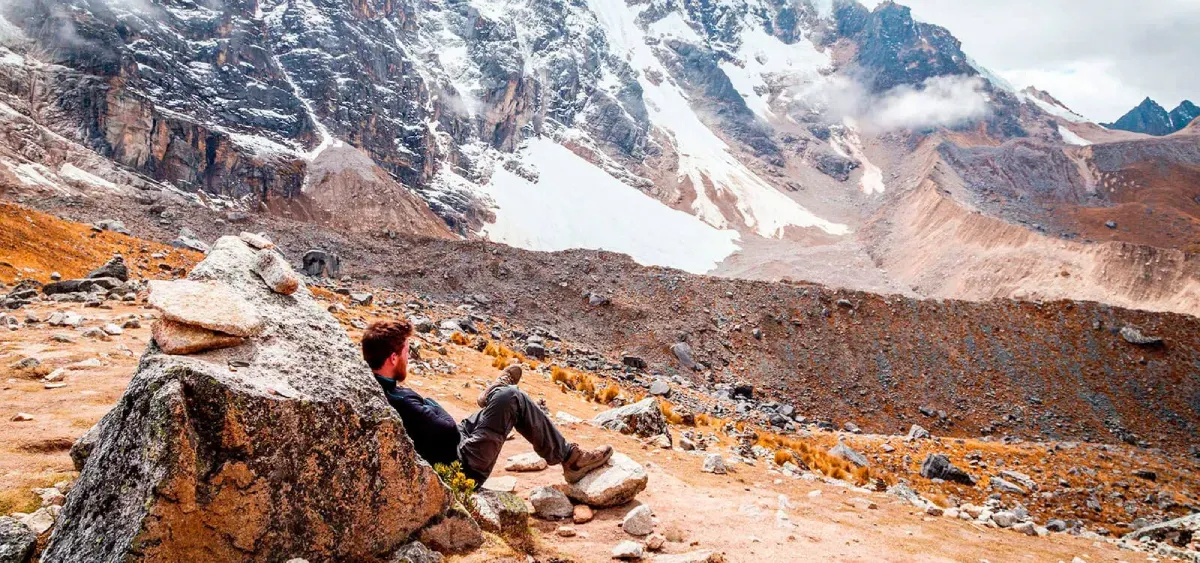
The defining feature is altitude exposure combined with consecutive hiking days. The trek transitions from alpine glacier terrain to cloud forest ecosystems before reaching the Inca citadel.
It is not technical mountaineering, but it is sustained high-altitude trekking.
2. How Difficult Is the Salkantay Trek Really?
Difficulty on Salkantay is driven by five variables:
1) Altitude
You will spend significant time above 4,000m. Oxygen availability drops by roughly 40% compared to sea level.
2) Elevation Gain
Day 2 typically includes the ascent to Salkantay Pass — the most physically demanding segment.
3) Terrain
Rocky paths, uneven switchbacks, possible mud during the wet season.
4) Weather Variability
Temperatures can drop below freezing at night while daytime sun exposure can be intense.
5) Consecutive Effort
Multiple hiking days reduce recovery margins.
Who adapts well:
- Travelers with endurance training
- Those arriving properly acclimatized
- Hikers comfortable with long uphill efforts
Who struggles:
- Sea-level arrivals with no buffer days
- Travelers underestimating altitude
- Those relying solely on gym cardio without hill training
Salkantay is demanding — but manageable with preparation.
3. Choosing the Right Version: 3 vs 4 vs 5 Days
| Version | Best For | Acclimatization Buffer | Daily Load | Experience Depth |
| 3 Days | Time-limited active travelers | Low | High | Condensed |
| 4 Days | Balanced trekkers | Moderate | Moderate–High | Strong |
| 5 Days | Slower pacing, deeper immersion | Higher | Moderate | Most complete |
3 Days:
Compressed effort. Limited acclimatization margin. Efficient but physically intense.
4 Days:
The most balanced option. Maintains pacing without over-compression.
5 Days:
More recovery time, better altitude adaptation, greater environmental immersion.
The decision is about pacing, not prestige.
4. Best Time to Do the Salkantay Trek
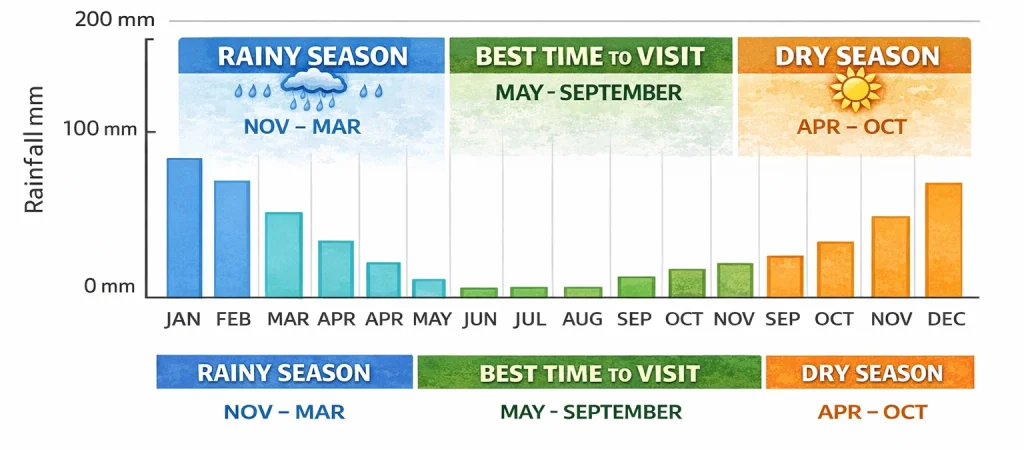
Dry Season (May–September)
- More stable skies
- Colder nights (can drop below freezing)
- Higher demand
Shoulder Months (April & October)
- Mixed weather patterns
- Moderate visitor levels
- Balanced conditions
Wet Season (November–March)
- Frequent afternoon rain
- Greener landscapes
- Fewer trekkers
- More variable trail conditions
The dry season offers predictability.
The wet season requires flexibility but rewards with quieter trails.
5. Acclimatization Strategy
Altitude is the defining variable.
Recommended buffer:
Minimum 2 full days in Cusco or Sacred Valley before starting.
Strategic approach:
- Day 1: Light walking
- Day 2: Moderate elevation exposure (Sacred Valley or short hikes)
- Hydrate consistently
- Avoid alcohol during adjustment
Early symptoms to monitor:
- Persistent headache
- Nausea
- Unusual fatigue
Acclimatization is not optional at 4,650m.
6. Training Plan: 6-Week Preparation Framework
You do not need elite fitness. You need sustained endurance.
Week:
1–2: Base Conditioning
- 3 cardio sessions (45–60 min)
- Moderate intensity
- Add light stair climbing
3–4: Elevation Simulation
- Hill repeats
- Incline treadmill sessions
- Weekend hike (2–3 hours)
5–6: Load & Endurance
- 4–5 hour hike with light pack
- Weighted stair sessions
- Strength focus: glutes, quads, core
Gym fitness alone is not enough. Uphill repetition matters.
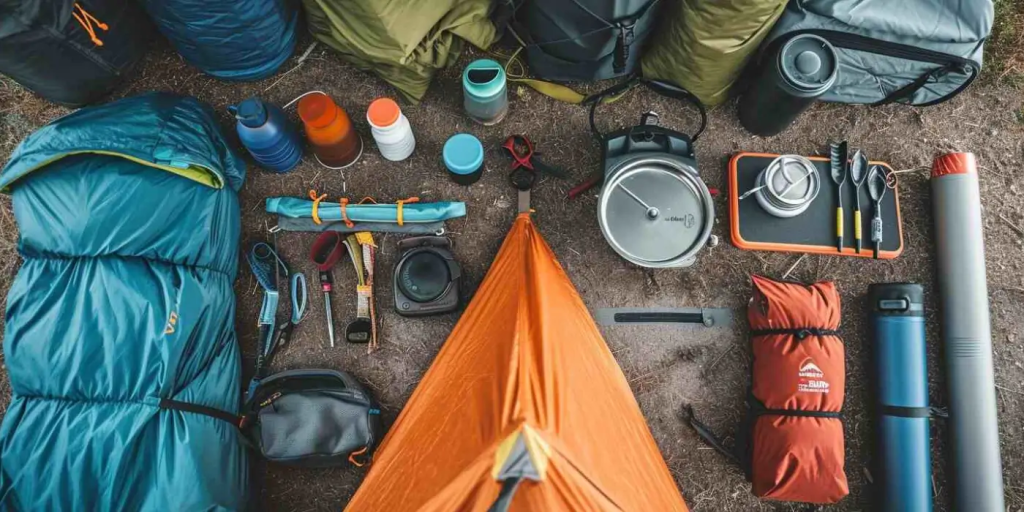
7. Packing Logic: What Actually Matters
Think in systems, not items.
Layer Strategy
- Base layer (moisture control)
- Mid-layer (insulation)
- Down or synthetic insulated jacket
- Waterproof shell
Footwear
- Broken-in hiking boots
- Avoid new boots
- Quality hiking socks
Night Reality
Temperatures can fall below 0°C at higher camps. Insulation is not optional.
Common Overpacking Mistakes
- Multiple heavy sweaters
- Excess casual clothing
- Large unnecessary toiletries
Pack for performance, not comfort aesthetics.
8. Tents vs Domes: Which One Makes Sense?
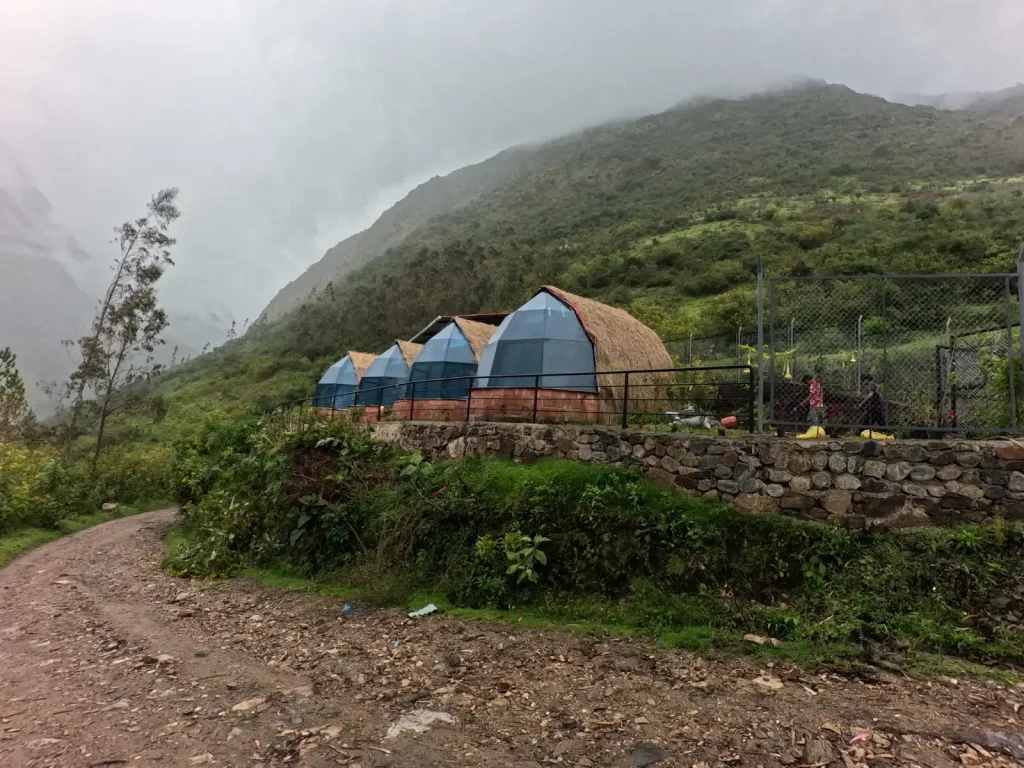
Accommodation format affects recovery.
| Feature | Tents | Domes |
| Insulation | Basic | Improved |
| Space | Compact | Larger |
| Comfort | Minimalist | Enhanced |
| Cost | Lower | Higher |
| Ideal For | Traditional trekkers | Mixed-ability groups / comfort-focused travelers |
Tents
- Lighter infrastructure
- Colder nights
- Classic trekking experience
- Budget-conscious travelers
Domes
- Better insulation
- More stable recovery conditions
- Suitable for travelers concerned about night cold
- Often include improved dining infrastructure
If performance and recovery matter to you, domes offer measurable comfort benefits.
If simplicity and tradition are part of the appeal, tents remain valid.
9. What Influences the Cost?
Price variations typically reflect:
- Group size
- Guide-to-client ratio
- Mule or porter support
- Camp infrastructure (tents vs domes)
- Included train category to Machu Picchu
- Duration (3 vs 5 days)
Lower price often correlates with reduced support infrastructure.
Understand what is included before comparing numbers.
10. Common Mistakes to Avoid
- Arriving without acclimatization days
- Choosing based solely on lowest price
- Underestimating nighttime cold
- Bringing untested footwear
- Ignoring physical preparation
Most negative experiences stem from preparation gaps, not the trail itself.
11. Designing Your Itinerary Around Salkantay
Salkantay works best when positioned intentionally.
Options include:
- Acclimatization in Sacred Valley before departure
- Recovery day after Machu Picchu
- Adding Soraypampa as a shorter alpine exposure
- Combining with quieter high-altitude extensions like Palccoyo Rainbow Mountain
The trek should anchor your Andean segment, not compress it.
Final Perspective
The Salkantay Trek is not simply a route to Machu Picchu. It is a high-altitude corridor that rewards preparation and penalizes underestimation.
If you manage logistics correctly, train realistically, pack strategically, and choose the right format for your profile, it becomes one of the most coherent ways to experience the Andes.
The key is not whether you can do it, is whether you plan it with clarity.