Visiting Machu Picchu? Here’s What Else Fits Your Travel Goals
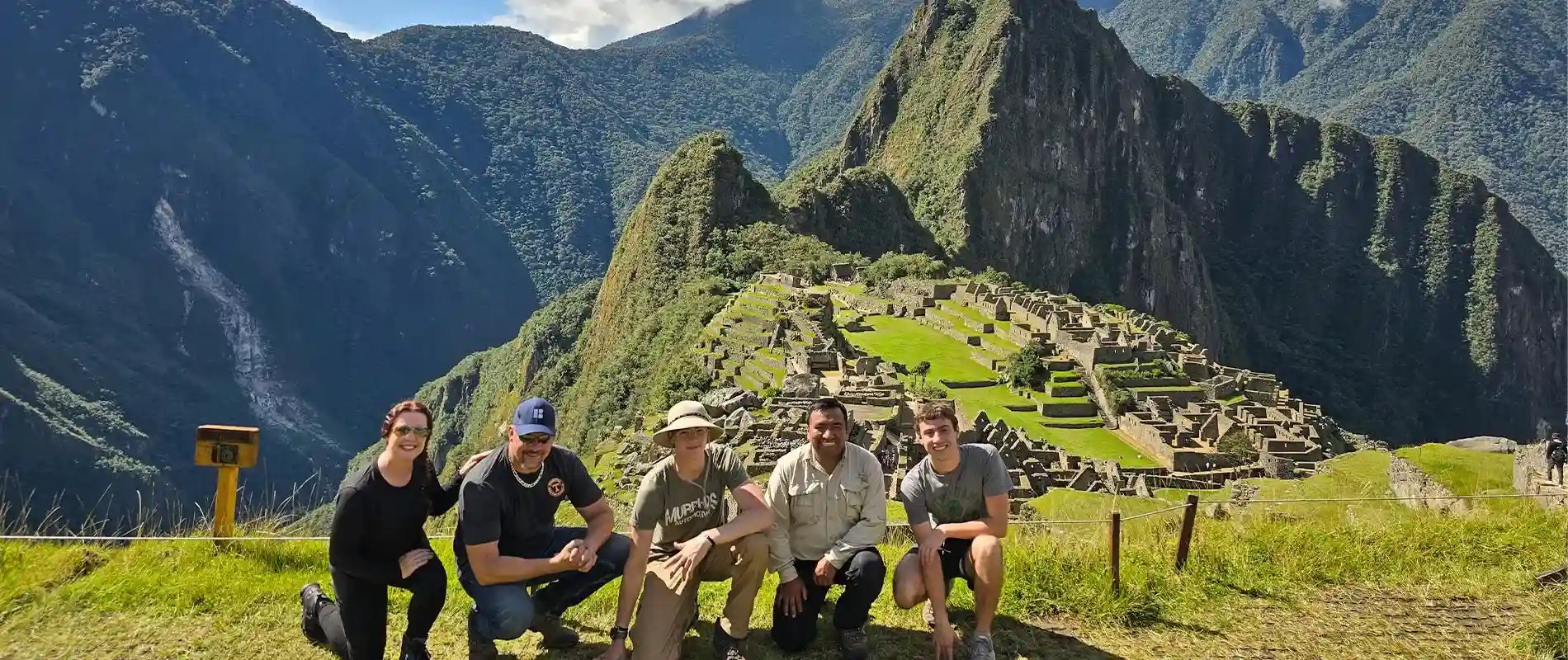
For many travelers, Machu Picchu is the reason Peru makes the shortlist. But the Andes are not a single-site destination, they are a terrain system.
The real question is not whether there’s more to do beyond Machu Picchu. It’s how much landscape, altitude, and physical engagement you want to layer around it. Your answer determines the right extension.
Below is a structured way to think about it, based not on popularity, but on travel goals and stamina profile.
For the Backcountry Hiker: Multi-Day Immersion
Profile:
- Comfortable above 4,000m
- Interested in remote camps
- Prefers terrain scale over structured site visits
- Has 4–5 days available
If this sounds like you, the logical extension is the Salkantay Trek (4–5 days).
This route reframes Machu Picchu as a conclusion rather than a standalone attraction. You move through high mountain passes, glacial valleys, and shifting ecological zones before arriving at the Inca citadel.
What defines this option:
- Sustained altitude exposure
- Progressive physical effort
- Fewer regulated bottlenecks than other classic routes
- Strong landscape continuity
Machu Picchu becomes a chapter, not the entire story.
If your goal is depth over convenience, this is the strongest extension.
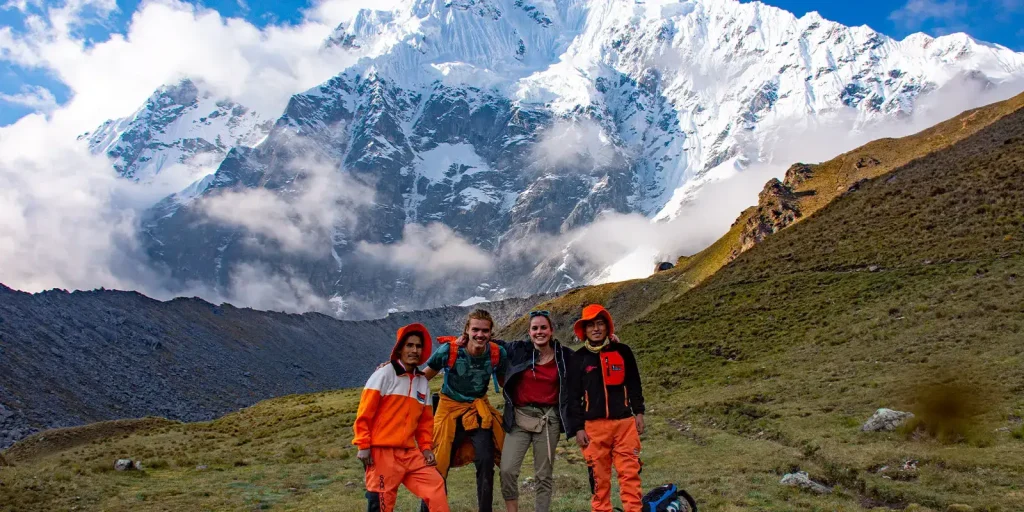
For the Active Traveler Short on Time: Condensed Alpine Exposure
Profile:
- Enjoys hiking but has limited days
- Wants altitude scenery
- Prefers physical engagement over bus-based touring
- Has 2–3 days available
A shortened version of the Salkantay Trek, often referred to as a 3-day or “express” format, preserves the core mountain corridor while compressing the schedule.
What changes:
- Reduced acclimatization window
- Tighter pacing
- More direct route logic
What remains:
- High-altitude passes
- Glacier views
- Physical progression
- A strong sense of movement toward Machu Picchu
This option works well for travelers who want the mountain identity without committing nearly a week to the trail.
It is not the full immersion, but it keeps the spirit intact.
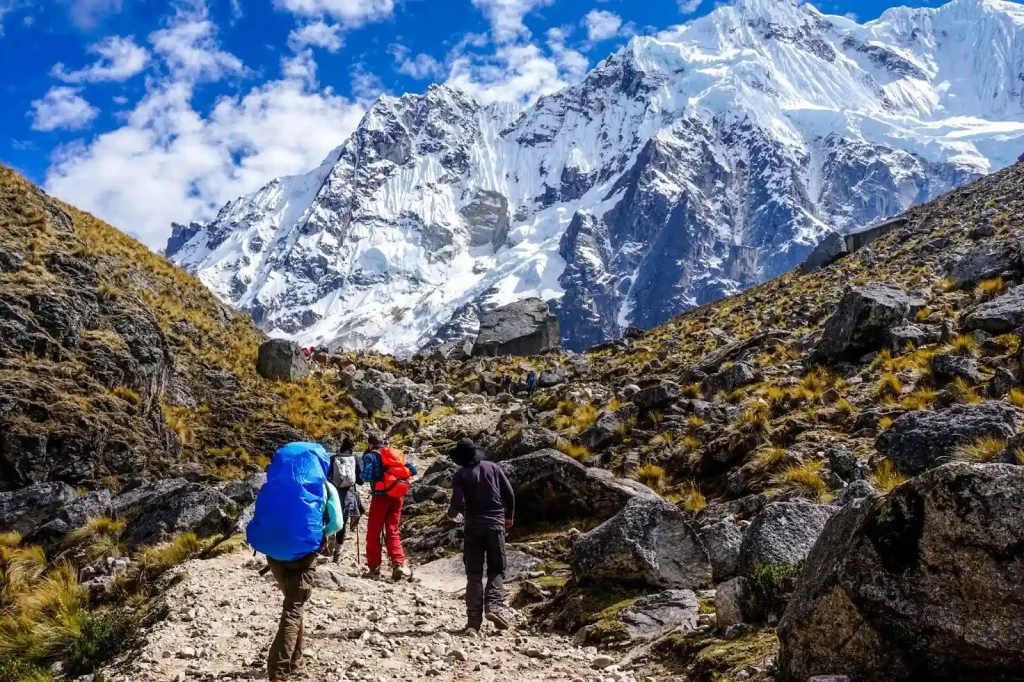
For Nature-Oriented Travelers Who Prefer Moderate Exertion
Profile:
- Wants high-altitude scenery
- Less interested in multi-day trekking
- May be traveling as a couple or mixed-ability group
- Has 1–2 nights available
In this case, a weekend at Soraypampa offers a more flexible format.
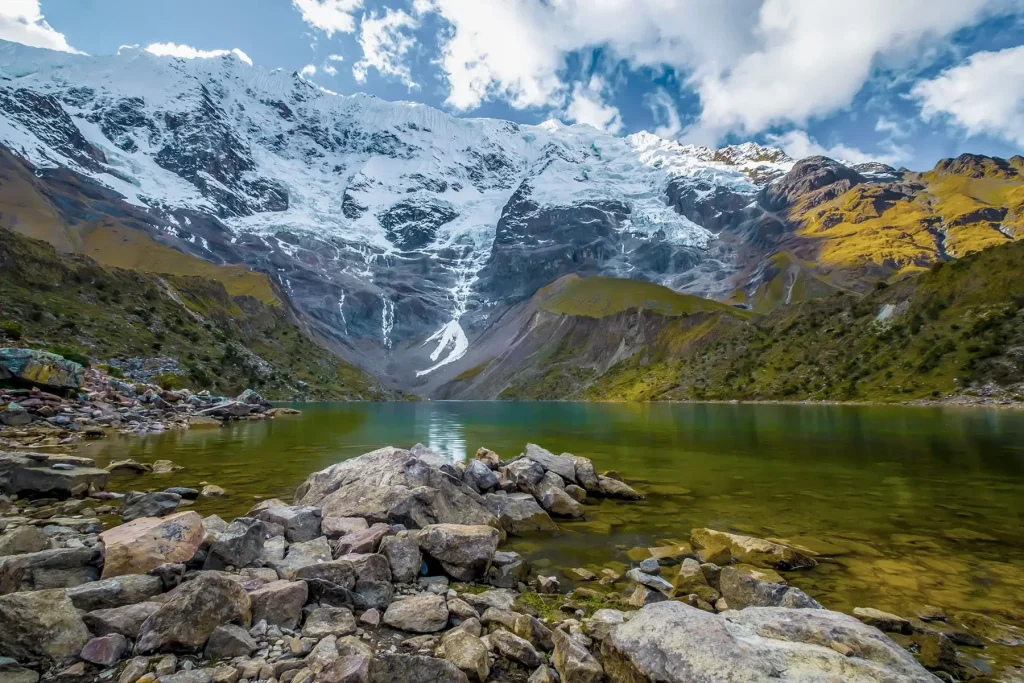
Soraypampa sits at the base of the Salkantay corridor and provides direct access to Humantay Lake, one of the region’s most visually striking alpine lakes.
Why this works:
- You experience high-altitude Andean scenery
- The hike to Humantay can be done at your own pace
- Horses are available for those who prefer assisted ascent
- No need for multi-day camping commitment
This format maintains environmental exposure without requiring sustained trekking stamina.
For many travelers, it offers the right balance between comfort and immersion.
A Simple Way to Decide
| Travel Goal | Time Available | Physical Intensity | Best Fit |
| Deep backcountry immersion | 4–5 days | High | Salkantay Trek (4–5 days) |
| Active but time-limited | 2–3 days | Moderate–High | Salkantay Trek Express |
| Scenic exposure without full trek | 1–2 nights | Moderate / Flexible | Soraypampa + Humantay Lake |
The ladder is intentional:
- You are not choosing between better or worse experiences.
- You are choosing how much altitude, effort, and remoteness you want to incorporate around Machu Picchu.
Designing Around Machu Picchu, Not Just Visiting It
Machu Picchu anchors the journey. But what defines your trip to the Andes is how you approach it: by train, by multi-day trail, or by alpine basecamp immersion.
Some travelers want arrival, others want progression. Understanding which one you are makes the difference between checking a box and building a coherent Andean experience.
If Machu Picchu is already on your itinerary, the next decision isn’t what else exists, it’s how much mountain you want with it.