What You Only Understand After Finishing the Salkantay Trek
The Salkantay Trek is often positioned as an alternative to the Inca Trail: less regulated, more remote, equally rewarding.
Most travelers prepare for it physically. Fewer prepare for how it actually feels across four or five days at altitude. After observing hundreds of trekkers complete this route, certain patterns repeat. The same reflections surface at the end. Then the same surprises emerge around Day 2. And, the same recalibrations happen before reaching the final stretch toward Machu Picchu.
These are not tips. They are realizations people tend to articulate only after finishing, and understanding them beforehand changes the experience entirely.
1. Altitude Is Psychological Before It Is Physical
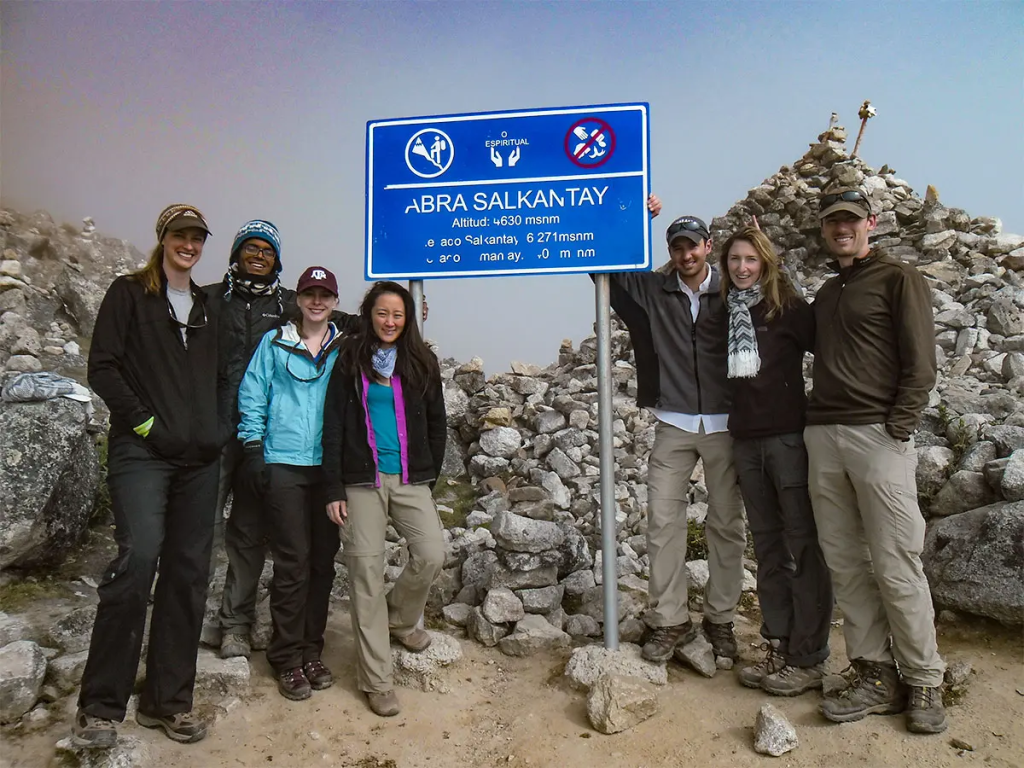
The highest point of the trek, the Salkantay Pass at 4,630 meters, is rarely defeated by lack of strength. It is defeated by mismanaged pacing.
Oxygen reduction alters perception. Effort feels amplified. Minor inclines feel disproportionate. Trekkers who rely purely on fitness often start too fast on Day 1 and struggle on the ascent the following morning.
Those who regulate their output, with steady cadence, controlled breathing, and consistent rhythm arrive stronger.
Preparation for Salkantay is not about speed. It is about regulation.
2. Recovery Quality Determines the Entire Experience
Multi-day trekking is cumulative. Each night either restores or depletes you.
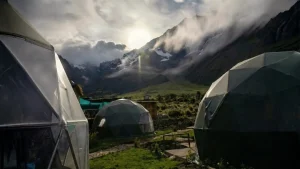
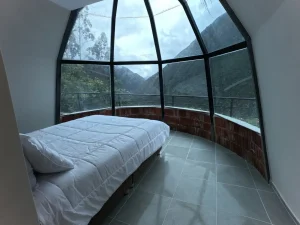
Temperature drops significantly after sunset at altitude. Poor sleep impacts mood, recovery rate, and perceived effort the next morning. Nutrition timing and hydration compound this effect.
Many trekkers focus heavily on hiking hours and underestimate night conditions. Performance on Day 3 is often determined by the quality of rest on Day 1.
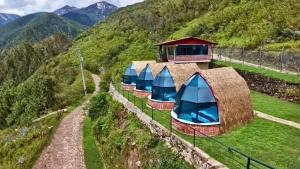
Comfort, in this context, is not indulgence. It is performance infrastructure.
3. The Landscape Cannot Be Translated into Images
Digital research creates a distorted expectation.
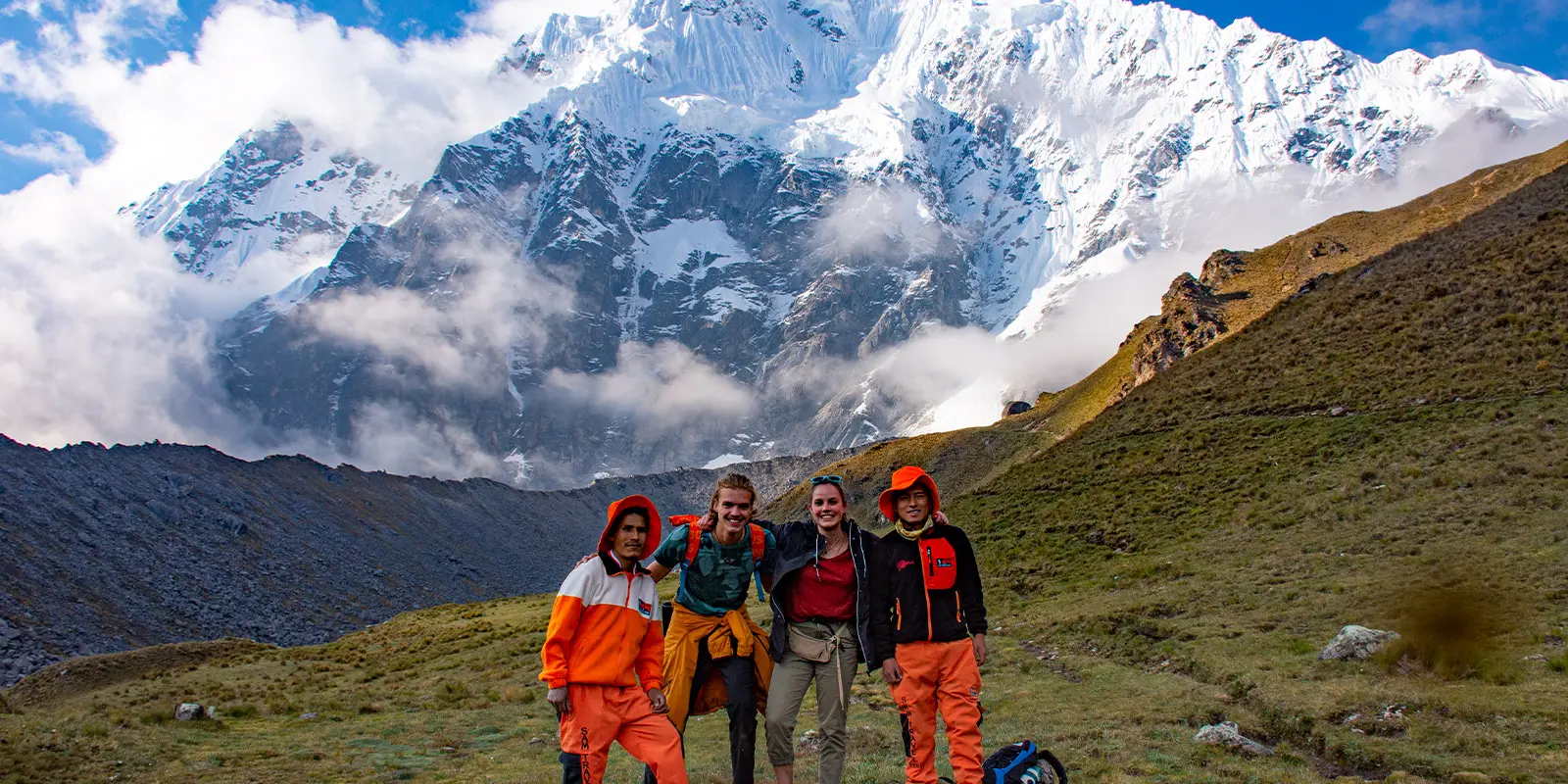
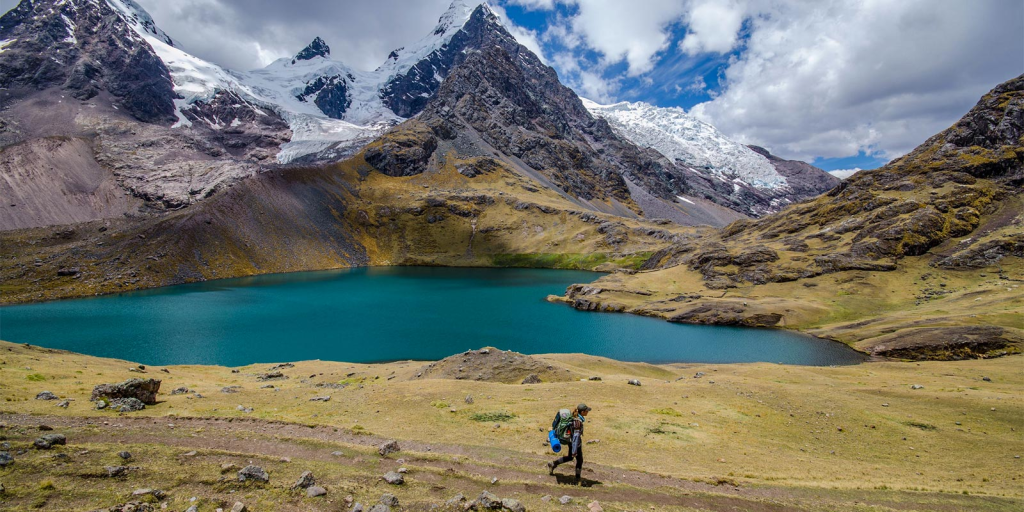
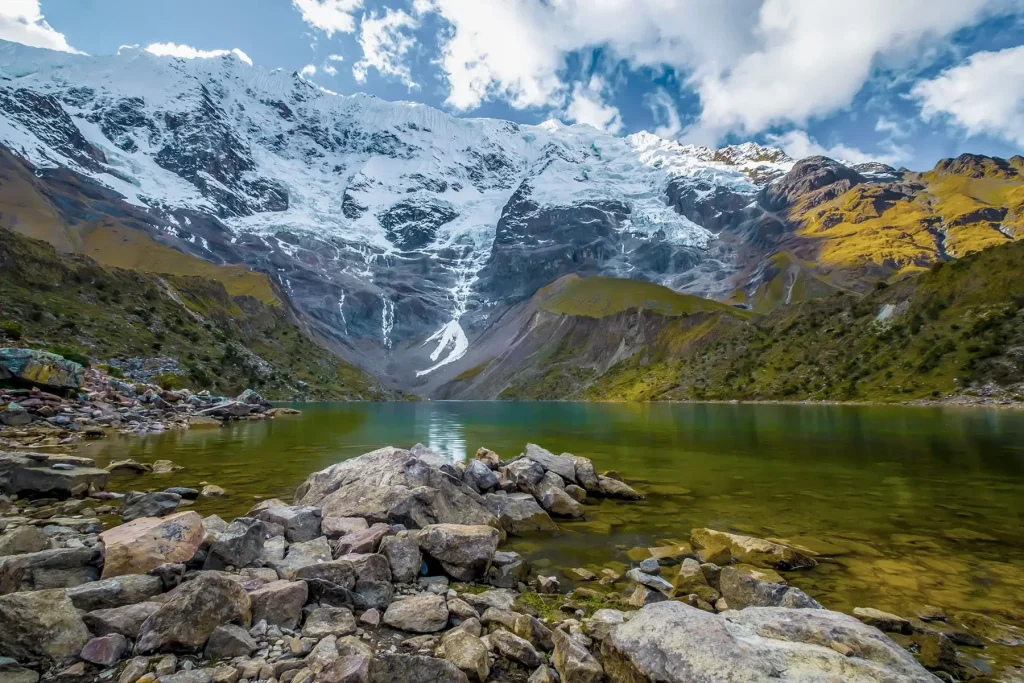
Glacier scale compresses in wide-angle lenses. Valley depth loses proportion in 2D. Cloud formations and shifting light, which define the high-altitude atmosphere, freeze into static frames.
The camera captures form. The body experiences scale.
There is also a physiological factor: altitude subtly alters spatial perception. Distances appear deceptive. Verticality feels amplified. Weather movement becomes immersive rather than decorative.
The slower you move, the more scale you perceive. Since Salkantay is not visually impressive because of its shape, but impactful because of its dimension.
4. Pace Discipline Matters More Than Raw Fitness
The strongest hikers are not always the ones who enjoy the trek most. Overexertion on the first afternoon often creates fatigue patterns that surface on the pass day. Multi-day routes reward metabolic strategy, not athletic display.
Trekkers who finish strongest usually begin conservatively. Energy preserved early becomes resilience later.
Salkantay is an endurance equation, not a single-day summit push.
5. Machu Picchu Feels Different When You Walk Toward It
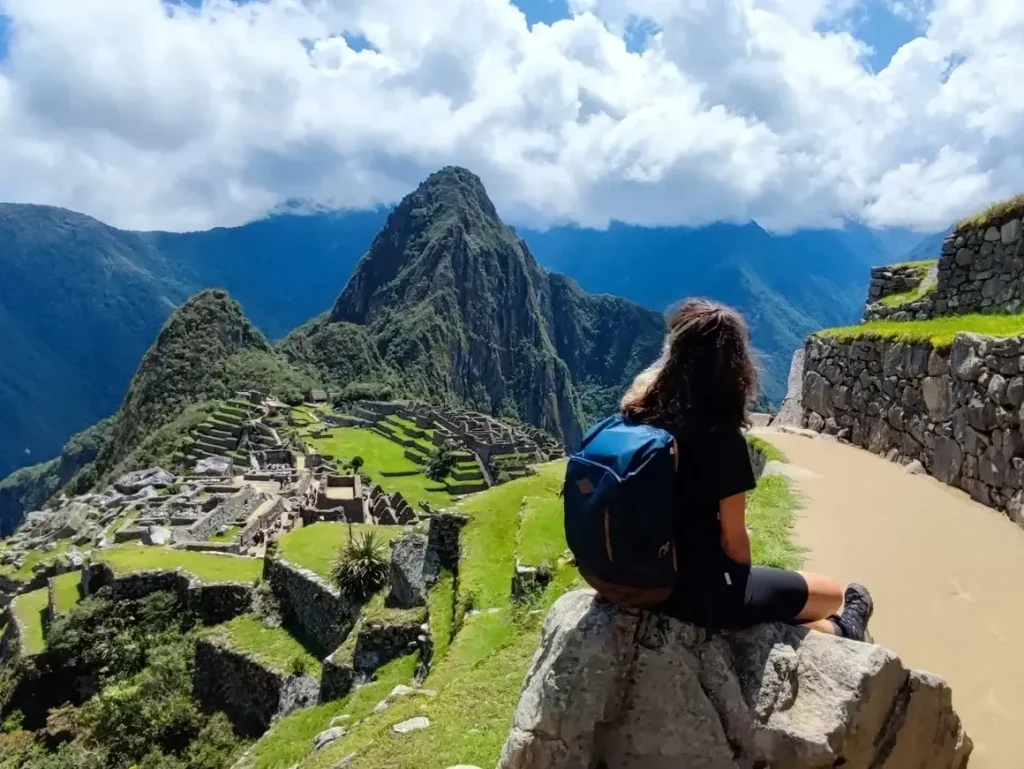
Arriving at Machu Picchu by train is efficient. Arriving after multiple days of ascent and descent alters perception.
Physical investment recalibrates emotional response. Completion changes how the site is processed. The journey becomes part of the architecture of the experience. The citadel is no longer an isolated highlight, it becomes a conclusion.
The trek reframes the destination.
If You Understand These Before You Go
Most trekkers process these realizations afterward. Understanding them beforehand changes how you prepare, and how you experience the route.
Strategic Preparation Matrix
| Post-Trek Realization | What It Actually Means | How You Should Prepare |
| Altitude is psychological before physical | Oxygen reduction alters pacing perception | Train for steady output, not speed. Practice controlled breathing and cadence. |
| Recovery determines performance | Sleep and temperature affect next-day strength | Prioritize sleeping conditions and layered insulation. Do not underestimate night cold. |
| Landscapes exceed digital scale | Spatial perception cannot be captured on camera | Build time margins. Move slower in high passes. Avoid rushing scenic sections. |
| Pace discipline beats raw fitness | Overexertion compounds across days | Start conservatively. Maintain energy reserve for Day 2 ascent. |
| Machu Picchu feels different after effort | Emotional response is tied to physical investment | Treat the trek as the primary experience, not just the approach to the site. |
Final Perspective
The Salkantay Trek rewards preparation more than ambition.
It is not the hardest route in the Andes. It is not the most technical. But it is demanding in subtle ways that marketing material rarely explains. Those who understand pacing, recovery, perceptual scale, and cumulative effort tend to describe the trek differently at the end. Not as a challenge completed, but as an experience structured correctly. And that distinction changes everything.