Classic Inca Trail to Machu Picchu: What It’s Really Like in 2027
The Most Iconic Route, But No Longer the Only Benchmark
For decades, the Classic Inca Trail has defined what it means to arrive at Machu Picchu.
It’s the route people recognize. The one tied to history, legacy, and the idea of walking the same paths once used by the Incas. But in 2027, the conversation has shifted.
The Inca Trail is still iconic, but it now exists within a broader landscape of trekking experiences, where comfort, space, and flexibility are increasingly part of the decision.
This is no longer just about reaching Machu Picchu. It’s about how you get there, and what that journey feels like.
What the Classic Inca Trail Actually Is
The Classic Inca Trail is a 4-day, 3-night trek covering roughly 42 km, culminating in a sunrise arrival at Machu Picchu through the Sun Gate (Inti Punku).
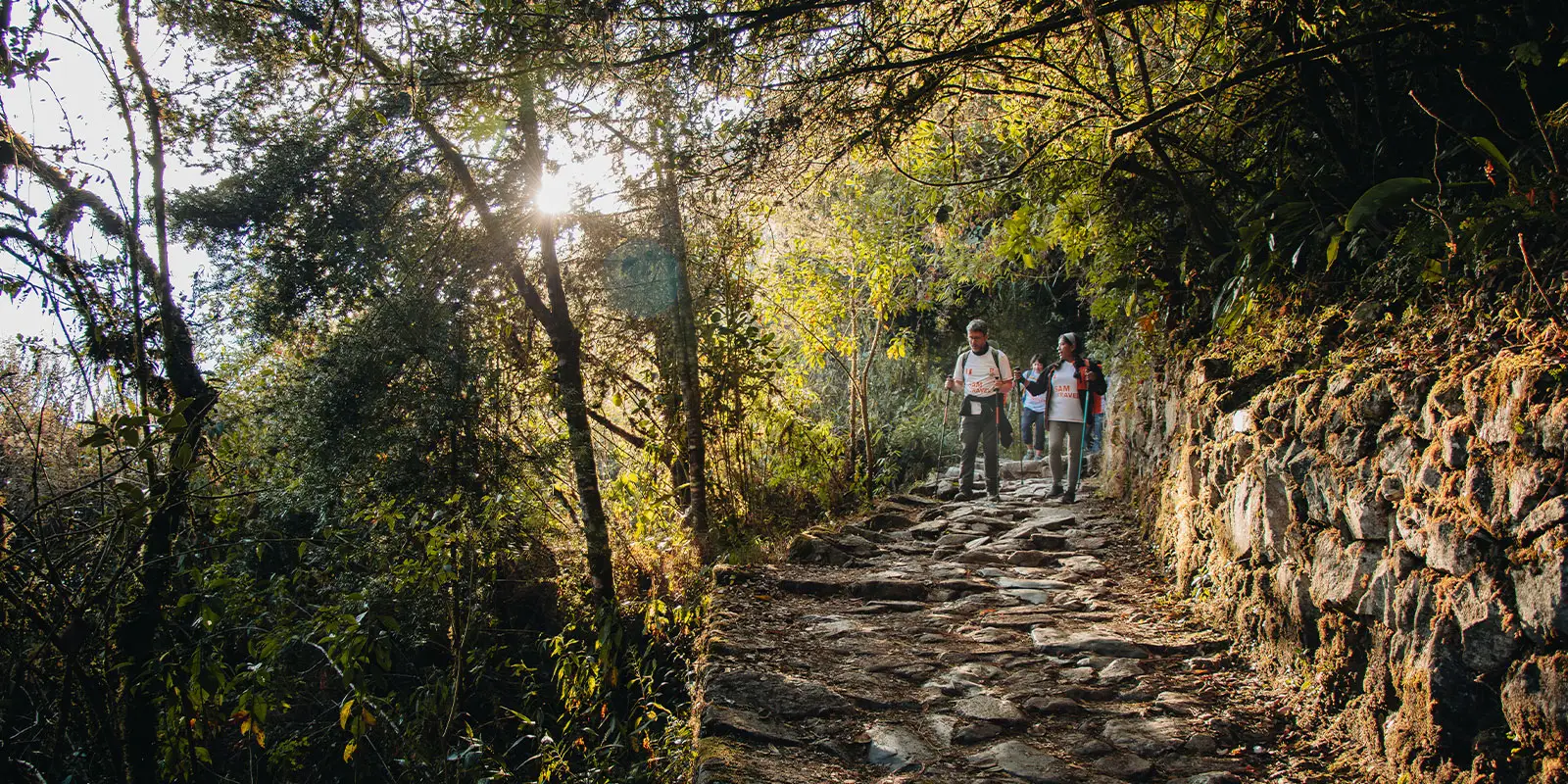
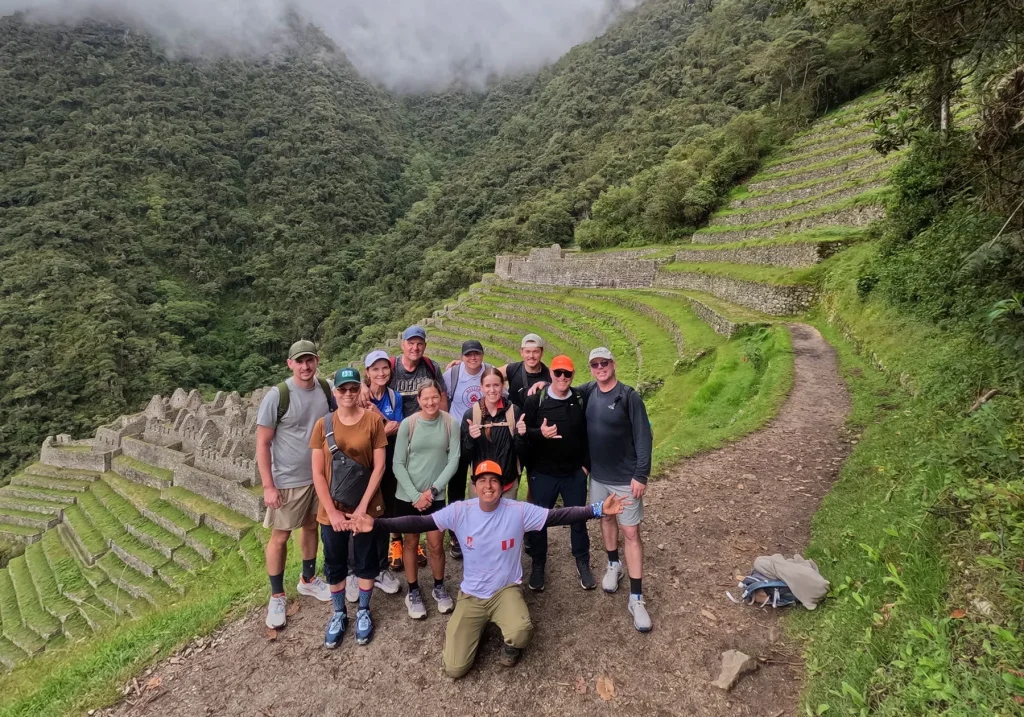
Along the way, the trail connects a sequence of archaeological sites, cloud forest sections, and high mountain passes, all linked by original stone pathways.
What defines it:
- Direct continuity of the historic Inca route
- Structured progression across four days
- A ceremonial-style arrival into Machu Picchu
This is the reference experience, the one all other routes are measured against.
What the Experience Feels Like
There’s a clear contrast between how the Inca Trail is imagined and how it actually unfolds.
Expectation:
A remote, quiet journey through ancient paths.
Reality:
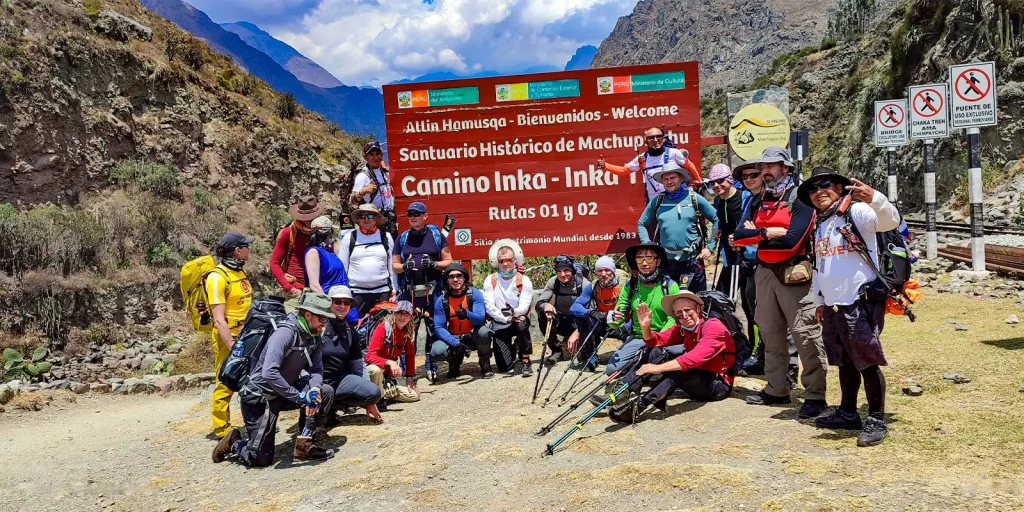
A highly organized, shared trekking environment.
- Campsites host multiple groups each night
- Daily pacing follows a fixed structure
- Permits and logistics define the rhythm of the journey
The progression:
- Day 1: gradual entry into the Andes
- Day 2: Dead Woman’s Pass (the physical high point at 4,200 m)
- Day 3: archaeological sites and rolling terrain
- Day 4: early ascent to the Sun Gate and first view of Machu Picchu
Key insight:
The Inca Trail is not isolated. It’s collective, a shared experience shaped as much by logistics as by landscape.
Difficulty: Where It Actually Sits
This is a moderate to challenging trek, not because of technical difficulty, but due to altitude and accumulation.
- Consecutive days of hiking
- Significant elevation gain
- Uneven stone steps throughout
Well-suited for:
- Active travelers with good endurance
- Those comfortable hiking multiple days at altitude
Not ideal for:
- Poorly acclimatized travelers
- Those expecting flexibility or physical ease
Important clarity:
The challenge is not just one day, it’s the compounding effect of four.
How Access Works in 2027
This is where the Inca Trail has changed the most.
- Strict permit system (often sold out months in advance)
- Fixed start dates with no flexibility
- Mandatory guides and porters
- Assigned campsites, no variation
What this means in practice:
You don’t design your trek. You fit into a predefined structure.
Where the Inca Trail Excels
Despite its constraints, the Inca Trail still delivers in key areas:
- Historical continuity: you are literally walking original routes
- Recognizable milestone: a globally known achievement
- Defined narrative: each day builds toward a clear objective
- Sun Gate arrival: one of the most iconic entrances to Machu Picchu
It offers meaning through tradition.
Where It Falls Short (Modern Reality)
This is not about flaws, it’s about evolution.
- High demand limits access
- Shared campsites reduce privacy
- Fixed itineraries restrict pacing
- Increasing perception of crowding
The shift:
What was once exclusive is now highly standardized.
Inca Trail vs Salkantay Trek (Sky Dome Camps Experience)
| Factor | Inca Trail | Salkantay Trek (Sky Domes) |
| Permits | Limited, restrictive | Flexible availability |
| Crowds | Moderate to high | Low |
| Landscape | Historic corridor | Glacier → jungle diversity |
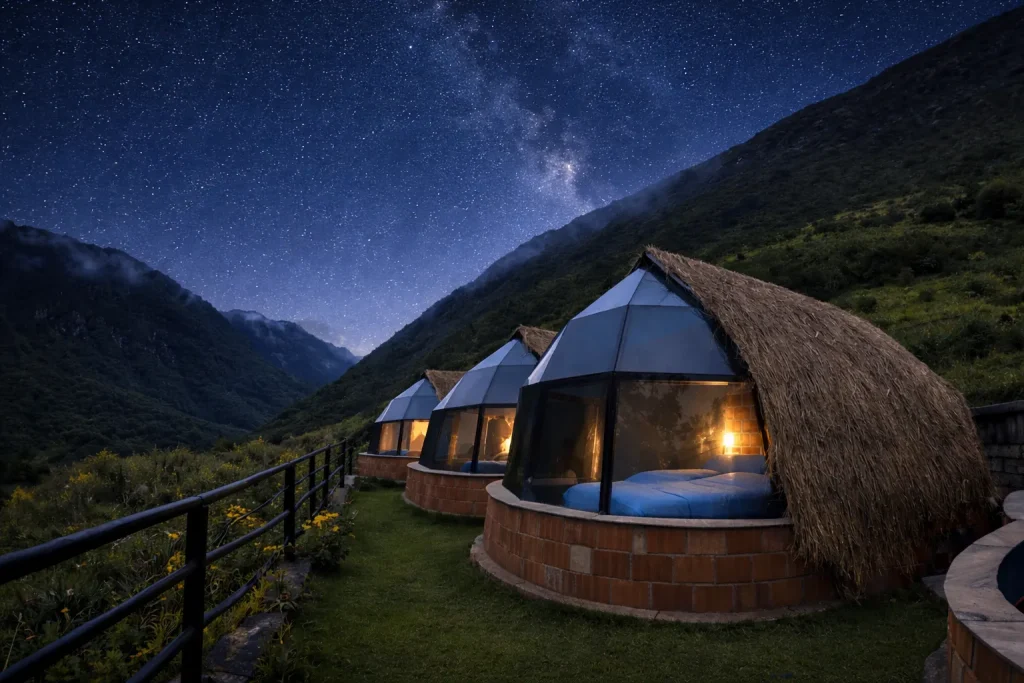
| Comfort | Basic camping | Dome stays with real beds & amenities |
| Flexibility | Fixed itinerary | Adaptive pacing |
| Experience Style | Classic, social | Immersive, quieter |
What becomes clear:
- The Inca Trail delivers heritage and structure
- Salkantay delivers space, variation, and comfort
What the Salkantay Alternative Actually Changes
Choosing Salkantay isn’t about replacing the Inca Trail. It’s about reframing the experience.
- Routes are more remote and less trafficked
- Landscapes shift dramatically: from high alpine to tropical valleys
- The sense of progression is more pronounced and less compressed
And when paired with Sky Domes, the dynamic shifts further:
- Recovery is built into the experience
- Evenings become part of the journey, not just rest stops
- Comfort supports performance across multiple days
Subtle but important difference:
The Inca Trail is about following a path. Salkantay is about moving through an environment.
Which One Should You Choose?
Choose the Inca Trail if:
- You want the classic, historic route
- You value tradition and recognition
- Your travel dates align with permit availability
- You’re comfortable in a shared trekking environment
Choose Salkantay if:
- You prefer fewer crowds and more space
- You want greater landscape diversity
- You value comfort without losing the trekking experience
- You’re looking for a more curated and flexible journey
Best Time to Do the Inca Trail
- May to September: stable weather, highest demand
- April & October: strong balance of conditions and availability
- February: closed for maintenance
Because permits are limited, timing is often dictated more by availability than preference.
Final Take: Is the Classic Inca Trail Still Worth It?
Yes, when chosen for the right reasons.
The Inca Trail still offers something few routes can replicate: a direct, historic connection to Machu Picchu.
But it is no longer the only premium experience.
For travelers who value:
- space over structure
- comfort alongside challenge
- and a deeper sense of immersion
Alternatives like Salkantay are quietly redefining expectations.